
Same-Day Service Available
00
Hrs
00
Mins
00
Secs
Need a Plumber in Knoxville? We’re Ready to Help!
Same-Day Service Available
Need a Plumber in Knoxville? We’re Ready to Help!
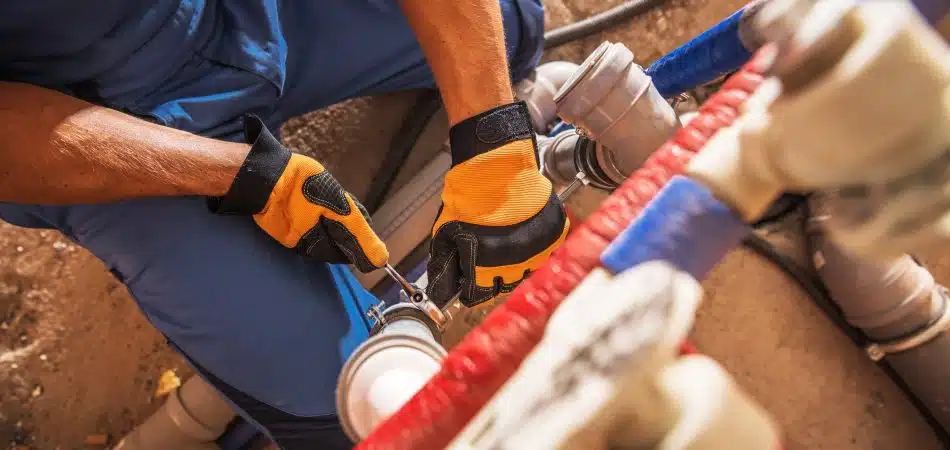
You should repipe your entire house when your pipes have reached the end of their material lifespan (galvanized steel at 40 to 50 years, copper at 50 to 70 years, and polybutylene installed 1978 to 1995, regardless of age) or when warning signs appear together, such as recurring leaks across multiple fixtures, declining water pressure, and rust-colored water.
A whole-house repipe is the biggest decision most Knoxville homeowners will face for their plumbing system. The job replaces every supply line behind your walls and under your floors, and it solves problems that no single repair can fix. The hard part is knowing when the right time has actually arrived.
If you have wondered whether your home needs a repipe or whether a few targeted repairs will keep you running for another decade, our team at Tennessee Standard Plumbing can inspect your system and give you a straight answer. You can contact us for an assessment of your home’s pipe material, age, and condition.
A repipe is not a small decision, and it should not be made on a hunch. The right answer depends on the type of pipe in your home, how old it is, the chemistry of your water, and the pattern of issues you have been dealing with.
A whole-house repipe replaces all of the water supply lines in your home with new piping, usually PEX-A or copper. The job is different from a one-time pipe repair because it addresses the root cause of recurring failures rather than the latest symptom. Repipes take 2 to 5 days in most single-family homes, with water restored each evening so families can stay in the home.
A repair fixes a single failure point, such as one leaking joint, one burst section, or one corroded fitting. A repipe replaces the entire supply system because the pipe material itself has reached the end of its service life. Repairing one section of failing galvanized steel only delays the next failure on an identical pipe a few feet away.
The repipe covers every hot and cold water supply line that feeds fixtures inside the home, including those running to sinks, showers, tubs, toilets, washing machine hookups, and water heaters. Drain lines, vents, and the main sewer lateral are separate systems handled in their own services. Most repipes also include new shutoff valves at every fixture.
PEX-A is the most common choice today because it is flexible, freeze-resistant, corrosion-proof, and roughly 40 to 60 percent cheaper to install than copper. Copper remains the longer-lasting option at 50 to 70 years, but costs about twice as much in materials and labor. Both materials are accepted by Knoxville and Tennessee plumbing codes for residential supply.
A single problem usually means a single repair. A pattern of problems pointing back to the same aging pipe system is the threshold for a repipe. The signs below are most meaningful when two or more appear together.
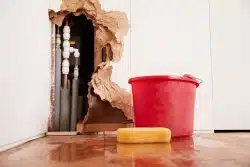 Recurring leaks at different locations within a year are the clearest indicator that the pipe material itself is failing. One leak in a single joint can be a fluke, but three leaks in three different rooms point to widespread pipe wall degradation that no targeted patch will solve.
Brown, yellow, or reddish water at the tap is a sign of internal pipe corrosion, most commonly inside galvanized steel pipes where the protective zinc coating has worn away. Iron oxide flakes loosen from the pipe interior and enter the water stream. If the discoloration appears at multiple fixtures, the corrosion is systemic.
Pressure that drops gradually over the years at every fixture in the house often signals mineral scale and corrosion narrowing the interior diameter of aging pipes. The buildup is sometimes called tuberculation in galvanized lines. Periodic water leak detection can rule out hidden leaks before a repipe is recommended.
Inspect any pipes you can see in basements, crawl spaces, utility rooms, and under sinks. Orange streaking on galvanized steel, blue-green staining on copper, white mineral deposits at fittings, and any visible pitting are all signs that the pipe is breaking down. Visible corrosion on accessible sections usually means worse corrosion on the inaccessible sections behind walls.
Banging, knocking, or rattling when fixtures turn on or off can indicate loose pipe straps, but in older homes, it often signals deteriorating mounting and worn-out pipe material. Recurring water hammer that does not resolve with a single repair point to a system that is aging out.
The age and type of pipe in your home are often the most reliable signals for when a repipe makes sense. Each material has a predictable service life, and Knoxville’s water chemistry and freeze-thaw cycles tend to push pipes toward the lower end of those ranges.
Galvanized steel was the standard residential supply pipe from roughly 1900 through the late 1960s, with an average service life of 40 to 50 years. Any Knoxville home that still has original galvanized supply lines from before 1970 is operating on pipe well past its rated lifespan. The EPA also identifies galvanized lines previously connected to lead service lines as a route for lead release into drinking water.
Polybutylene is a gray plastic pipe installed in roughly 6 to 10 million US homes between 1978 and 1995. The material reacts with chlorine and chloramines in municipal water and becomes brittle from the inside out, with documented failures occurring well before the pipe’s expected service life. The pipe carries the stamp PB2110 and is most commonly gray, though it can also appear blue, black, or white. Many insurance carriers now refuse to cover homes that still contain polybutylene.
Copper supply pipe carries a service life of 50 to 70 years under normal conditions, but acidic or aggressive water chemistry can cause pinhole leaks decades earlier. Recurring pinhole leaks in copper, often a sign of a system-wide chemistry problem, are a strong trigger for a whole-home repipe rather than another patch. Pre-1986 copper installations may also have lead solder at the joints.
Lead supply pipes were common in homes built before 1930 and have no safe service life. The EPA and CDC hold that no level of lead exposure is safe, particularly for children and pregnant women. If lead supply lines are present in any part of the home, full replacement is the only answer.
The most common question we get from Knoxville homeowners is whether one more repair will buy another five years or whether to bite the bullet now. The answer comes down to a simple decision rule based on pattern, cost, and pipe material.
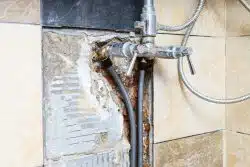 If you have one leak in one location, the pipe material is sound elsewhere, and the home is under 30 years old with PEX or copper, a targeted pipe leak repair is almost always the right call. Save the repipe budget for a later year.
Two or more pipe failures within three years on a home with original galvanized steel, polybutylene, or aging copper means the underlying material has run out of life. Repairs at that point are throwing good money after bad. The same logic applies if a slab leak detection visit has located more than one leak below the foundation.
A single slab leak repair costs 2,000 to 4,000 dollars. A PEX repipe of a 1,500 square foot home costs 4,000 to 8,500 dollars. If you have already paid for two slab repairs in the past three years, a full repipe is likely the lower lifetime cost. Hard water and high chlorine in the local supply, both of which can be checked through water quality testing, also tip the math toward replacement.
A repipe is not the right move for every home, but waiting too long is the most expensive mistake homeowners make with aging plumbing. The cost of a planned repipe is almost always lower than the cost of an emergency repipe after a burst line floods a finished basement. If your home shows two or more of the warning signs above and your pipe material is past its service life, the time to act is before the next failure.
If you are unsure whether your home is at that threshold, call Tennessee Standard Plumbing today. We will inspect your pipe material, check pressure and water quality, and give you a clear written recommendation. Our licensed technicians serve Knoxville, Maryville, Oak Ridge, Lenoir City, Clinton, and surrounding East Tennessee communities for both planned repipes and burst pipe repair emergencies.
Schedule your inspection online or call (865) 352-9003 for same-day service.
A whole-house PEX repipe typically costs 4,000 to 8,500 dollars for a 1,500 square foot home, while copper runs 9,000 to 15,000 dollars or more for the same home. Final cost depends on square footage, number of bathrooms, slab access, and whether drywall repair is included in the quote.
Most single-family home repipes take 2 to 5 days from start to finish. The actual pipe installation is often complete in 1 to 2 days, with the remaining time used for drywall patching, painting, and inspection. Water is normally restored each evening so the family can stay in the home.
Copper supply pipe lasts 50 to 70 years under normal water chemistry conditions, longer than PEX-A at 40 to 50 years or CPVC at 25 to 40 years. Copper costs more upfront but offers the longest single-installation lifespan if local water is not aggressively acidic.
Look for gray, blue, or black plastic pipes about half an inch to one inch in diameter, often stamped with the code PB2110. Polybutylene was installed primarily in homes built between 1978 and 1995. Replacement is recommended regardless of whether you have noticed leaks because the material breaks down from chlorine exposure and often fails before its expected service life.
Galvanized steel pipes installed before 1970 are at or past their 40- to 50-year service life and should be inspected for replacement. Internal corrosion releases iron oxide into the water, restricts flow, and, in homes that were once connected to lead service lines, can release accumulated lead into the drinking supply.
A partial repipe makes sense when a single failing branch, such as a hot water loop or one bathroom group, can be isolated and replaced without the rest of the system showing failure. If the rest of the home has the same pipe material installed in the same decade, a full repipe is almost always the better long-term value.
Same-day Service Available
Mon – Fri: 7:30 am – 5:00 pm