
Same-Day Service Available
00
Hrs
00
Mins
00
Secs
Need a Plumber in Knoxville? We’re Ready to Help!
Same-Day Service Available
Need a Plumber in Knoxville? We’re Ready to Help!
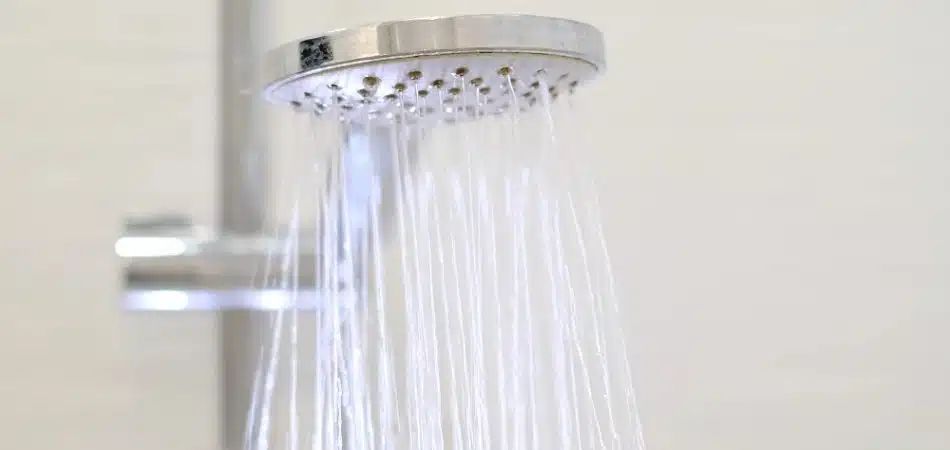
Hot water in Maryville is likely running out fast due to sediment buildup reducing tank capacity, a broken dip tube mixing cold water with hot, or faulty heating elements. Increased household demand, undersized units, or thermostat issues are also common culprits.
That first blast of cold water mid-shower is impossible to ignore. If your hot water disappears faster than it used to, something inside your system has changed, and it will not correct itself. Whether you have a gas or electric tank water heater, several specific internal failures can shrink your usable supply even when the tank appears full.
At Tennessee Standard Plumbing, we work with Maryville and Blount County homeowners every week who face this problem. Call us today to schedule a water heater inspection online, and we will send a licensed plumber with upfront pricing before any work begins.
Sediment buildup is the single most common cause of hot water running out faster in Maryville. Dissolved minerals settle at the bottom of the tank over time, displacing water volume available for heating and forming an insulating barrier between the heating element and the water above it.
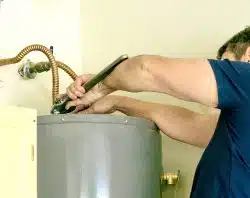 The South Blount County Utility District reports a municipal water hardness level of approximately 38 ppm, placing it in the slightly hard range on the USGS scale. Maryville homeowners on private well water in Blount County draw from limestone-rich aquifers with considerably higher mineral concentrations. Even at lower municipal hardness levels, calcium carbonate scale and magnesium deposits accumulate with every gallon heated.
A 40-gallon water heater carrying 15 gallons of sediment delivers only 25 gallons of usable hot water per draw, cutting supply by more than a third. The heating element must conduct thermal energy through the sediment layer before reaching the water above, increasing heat transfer resistance, slowing the recovery rate, and raising energy bills 10 to 15 percent above a properly maintained unit.
Popping or rumbling sounds during heating cycles, grit or cloudiness at the tap, longer recovery times, and rising utility bills with no change in usage all point to sediment accumulation.
Annual water heater service in Maryville includes a full tank flush and anode rod inspection, restoring full usable tank volume and protecting the steel wall from accelerated internal corrosion.
When a heating element or burner degrades, the tank fills with water but cannot bring the full volume to temperature before peak demand arrives. The result is lukewarm output, a supply that exhausts within minutes, and a unit performing far below its stated capacity.
Most residential electric water heaters contain two heating elements: one near the top and one near the bottom. The lower element does the majority of the work. When it burns out from sediment overheating, dry-firing, or normal wear, the upper element alone cannot heat the full tank. A 50-gallon electric tank with a failed lower element performs like a 20 to 25-gallon unit until replaced.
Gas water heaters depend on a functioning burner assembly, thermocouple, pilot light, and gas valve to complete full heating cycles. A failing thermocouple allows the pilot light to extinguish intermittently, cutting the burner off before the tank fully recovers.
Gas units recover at 30 to 40 gallons per hour, so even modest burner output reduction produces a noticeable drop during peak morning demand.

A licensed plumber tests each electric element with a multimeter, measuring resistance across the terminals. A reading outside the normal 10 to 30 ohm range confirms failure. For gas units, the burner, thermocouple, and combustion venting are evaluated for safe output and function. See the full scope of a residential water heater service before scheduling.
A broken dip tube and a malfunctioning thermostat both mimic running out of hot water even when the tank is full and heating components are physically intact.
The dip tube directs incoming cold water to the bottom of the tank so the heating element contacts it first. When the tube cracks, cold water enters at the top and mixes with heated water heading to your fixtures.
Output temperature drops within three to four minutes regardless of tank level. Small white or gray polypropylene fragments in showerhead screens or faucet aerators confirm dip tube failure.
The U.S. Department of Energy recommends 120 degrees Fahrenheit for residential water heaters. Below 110 degrees Fahrenheit, water at the fixture rarely feels fully hot even when the tank is not depleted.
A malfunctioning thermostat produces inconsistent output temperatures between uses, often disabling the lower element while the upper element continues running normally.
Homeowners can check thermostat settings by turning off the breaker, removing the access panel, and rotating the dial to 120 degrees Fahrenheit. If that does not resolve the issue within one full heating cycle, the thermostat requires professional replacement.
Dip tube and gas thermostat work must be handled by a licensed plumber. Our Maryville plumbing team handles both with same-day availability in most cases.
Sometimes the issue is not a mechanical failure but a mismatch between tank capacity and current household demand. An undersized unit or one past its service life will not respond permanently to any repair.
First-hour rating (FHR) is more accurate than tank gallon capacity alone. FHR measures total gallons delivered during the first hour from a full heated tank, combining stored volume with active recovery.
A 50-gallon gas unit delivers approximately 75 gallons in the first hour because the burner reheats while water is drawn down. Matching FHR to peak morning demand avoids the sizing errors covered in this water heater installation guide for Maryville.
 Tank water heaters carry a standard service life of 8 to 12 years. A unit past the 10-year mark with shortened hot water cycles signals compounding internal wear that repairs will only temporarily address. Recovery rate declines, tank insulation degrades, and the unit works harder for less output every cycle.
Tankless water heaters heat water on demand through a heat exchanger, eliminating the stored-supply limitation entirely, with a service life of 15 to 20 years. Maryville homeowners on well water should pair a tankless unit with a whole-home water treatment system to prevent mineral scale from accumulating inside the heat exchanger over time.
The cause of your shortage is one of the identifiable issues above. In most cases, the fix is clear once a licensed plumber correctly diagnoses the source.
At Tennessee Standard Plumbing, we serve Maryville and all of Blount County with licensed water heater diagnosis, repair, maintenance, and replacement. Our team presents multiple solution options with upfront pricing and begins no work until you approve.
Whether the job calls for a tank flush or a complete water heater replacement in Maryville, every job is backed by our “We Own It Guarantee.” Contact us to schedule your water heater inspection today!
Tennessee groundwater averages 53 to 59 degrees Fahrenheit year-round, but even modest seasonal drops require the heating element or burner to work harder to reach output temperature. A unit already carrying sediment buildup or a worn heating element is more likely to fall short of demand during colder months.
Listen for popping or rumbling sounds during heating cycles and watch for grit or cloudiness at the tap, longer recovery times, and rising utility bills with no change in usage. A 40-gallon tank carrying 15 gallons of sediment delivers only 25 gallons of usable hot water per draw.
Yes. A failed dip tube allows incoming cold water to enter at the top of the tank and mix directly with heated water, dropping output temperature at the showerhead within three to four minutes. Plastic fragments in showerhead screens or faucet aerators are a direct sign of dip tube failure.
Once a year for most households. Maryville homeowners on private well water in Blount County benefit from flushing every six months due to higher mineral content drawn from limestone-rich aquifers. Municipal customers served by South Blount County Utility District at approximately 38 ppm typically find annual flushing sufficient.
First-hour rating (FHR) measures total gallons a heater can deliver in the first hour from a full tank, combining stored volume with active recovery. A 50-gallon gas unit delivers approximately 75 gallons in that first hour. Tank size tells you capacity; FHR tells you actual usable hot water during peak demand.
Yes. Well water customers in Blount County draw from limestone-rich aquifers with higher mineral content than municipal supply, which accelerates sediment buildup inside the tank. Even municipal customers at approximately 38 ppm accumulate scale over time, making annual flushing important for long-term performance.
Repair a unit under eight years old with a single identified failure. Consider full replacement for any unit past the 10-year mark with progressive performance decline, or when estimated repair cost exceeds 50 percent of the installed cost of a comparable new unit.
A healthy 40-gallon tank supports two to three consecutive eight to ten-minute showers. Running the dishwasher or washing machine at the same time reduces that supply. If the tank exhausts after one shower, the cause is almost always sediment buildup or a failed lower heating element, not tank size.
Same-day Service Available
Mon – Fri: 7:30 am – 5:00 pm