Same-Day Service Available
00
Hrs
00
Mins
00
Secs
Need a Plumber in Knoxville? We’re Ready to Help!
Same-Day Service Available
Need a Plumber in Knoxville? We’re Ready to Help!
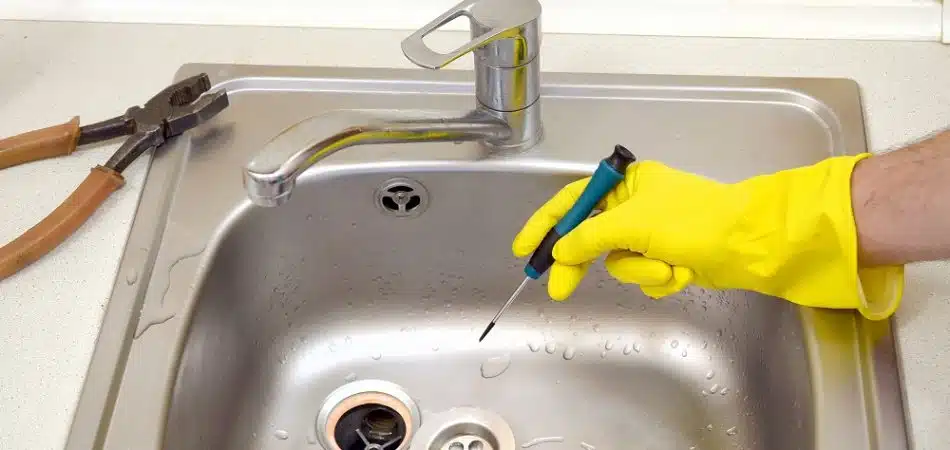
Recurring drain clogs in Maryville, TN, homes are often caused by a combination of aging infrastructure, environmental factors, and daily habits. Specific issues commonly reported in the area include tree root intrusion in sewer lines, corroded, older galvanized or cast iron pipes, and high-mineral hard water buildup
If you’ve cleared a slow drain only to have it back up again two weeks later, you’re not alone. Recurring drain clogs are one of the most common plumbing complaints from homeowners across Blount County.
The frustrating reality is that a repeat clog is almost never about bad luck. It is a signal that something specific about your home, your water, or your pipes is working against you.
At Tennessee Standard Plumbing, our technicians see the same patterns play out in Maryville homes every week. Understanding why your drains keep clogging is the first step toward fixing the problem for good, not just pushing it deeper into your pipes.
Contact us today to get a professional diagnosis from our experts.
Hard water is one of the least visible yet most damaging causes of chronic drain clogs in Maryville homes. East Tennessee groundwater carries elevated levels of calcium and magnesium. As this water moves through your pipes every day, those minerals don’t just pass through. They deposit on the interior walls of your drain lines.
 Over months and years, this limescale accumulation steadily narrows the diameter of your pipes. Water that once drained freely begins to slow. Then, even small amounts of soap residue, hair, or grease, things that normally flush right through, catch on the rough, scaled surface and build into a full blockage.
The problem compounds in Maryville’s warmer months. Organic matter that sticks to mineral-coated pipe walls breaks down faster in heat, producing the foul odors that often accompany slow drains. If you’ve noticed white or chalky residue around your faucets or shower fixtures, your drain lines are experiencing the same buildup on the inside.
Store-bought drain cleaners won’t dissolve limescale. Hydro jetting, which blasts water through your lines at high pressure, is the only method that fully clears mineral-coated pipe walls and restores proper flow. Pairing professional drain cleaning with a whole-home water treatment system is the most effective long-term solution for hard water households.
Most drain clogs don’t happen overnight. They build up over time from habits that seem harmless but are hard on your plumbing. The four biggest offenders our Maryville technicians find inside residential drain lines are grease, hair, soap scum, and non-flushable materials.
Cooking grease and oils are liquid when they go down the drain, but they cool and solidify inside your pipes. Over time, a layer of grease coats the interior of your kitchen drain line. Food particles then stick to that layer, and the blockage grows. Even running hot water while pouring grease down the drain doesn’t prevent buildup. It just moves the problem further into the pipe before it solidifies.
The fix is simple: collect grease in a container and dispose of it in the trash. Use a mesh strainer over your kitchen sink to catch food particles, and run your garbage disposal with a steady stream of cold water.
Bathroom drains deal with a different combination: hair, soap scum, and product residue. Hair wraps around drain components and catches everything else that passes through. Soap scum, the filmy byproduct of soap reacting with hard water minerals, coats the inside of pipes and makes hair clogs nearly impossible to clear without mechanical intervention.
A drain strainer in your shower or tub is the single easiest prevention step. Cleaning it weekly keeps hair from accumulating in the line.
Toilets are designed to handle two things: human waste and toilet paper. “Flushable” wipes, paper towels, cotton balls, and hygiene products do not break down in water the way toilet paper does. They accumulate in drain lines and sewer pipes, eventually causing serious blockages. If your toilet clogs frequently without any obvious cause, non-flushable items are often the reason.
Many homes in Maryville and across Blount County were built decades ago with pipe materials that are far more vulnerable to clogging than modern alternatives.
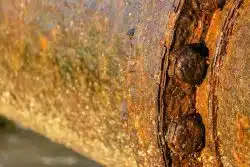 Cast iron and galvanized steel pipes, common in homes built before the 1960s and into the early 1970s, corrode from the inside out over time. As the interior surface of these pipes deteriorates, it becomes rough and irregular, giving grease, soap scum, and debris a surface to cling to. What flows freely through a new PVC pipe gets trapped in a corroded steel one.
Older clay sewer pipes present a related issue. Clay is brittle, and decades of ground movement, soil pressure, and shifting temperatures cause cracks and separations at the joints. Debris catches in these gaps and builds into blockages. In some cases, the pipe has partially collapsed, restricting flow regardless of how clean the line is.
If your home is more than 30 to 40 years old and you experience frequent clogs across multiple fixtures, aging pipe materials may be the root cause. A sewer line inspection using a video camera is the most accurate way to see exactly what’s happening inside your lines without any guesswork or unnecessary excavation.
Tree roots are a major cause of recurring sewer and drain clogs in Maryville neighborhoods, particularly on properties with mature trees near the home’s foundation or sewer line path.
Tree roots seek moisture. Your sewer line, which carries warm, nutrient-rich wastewater, is an ideal target. Roots enter through small cracks, loose joints, or deteriorating sections of older pipe. Once inside, they don’t stop growing. What starts as a hairline intrusion becomes a dense root mass that traps everything flowing through the line.
The pattern with tree root clogs is predictable: you have the line cleared, and within a few months, the problem returns. That’s because clearing the blockage doesn’t remove the roots or repair the entry point. If your drain company is using a cable snake to clear the line and calling it done, the roots will be back.
Our team uses hydro jetting to fully clear root mass from the line and video inspection to locate the exact entry point. Depending on the extent of root damage, residential drain repair or sewer line repair may be needed to permanently seal the affected section.
A single slow drain in one fixture is usually an isolated blockage. Multiple drains backing up at the same time, or the same drain clogging every few weeks, almost always point to a problem deeper in the main sewer line.
 Signs that your clog is more than a surface-level issue include:
These symptoms mean wastewater is not flowing freely out of your home. At this stage, DIY solutions won’t reach the problem. Preventive drain maintenance on a regular schedule, typically every one to two years for most households, is the most cost-effective way to avoid reaching this point in the first place.
Recurring drain clogs don’t fix themselves. Each time a partial blockage is cleared without addressing its root cause, debris continues to build and the problem worsens. At Tennessee Standard Plumbing, we use advanced camera inspection to diagnose the true source of your clog and hydro jetting to thoroughly clear your lines, so the problem is resolved the right way the first time.
Call us to schedule your drain service today! Peaceful pipes, peaceful life.
If your drains are clogging again shortly after being cleared, the underlying cause was not addressed. A cable snake can punch through a blockage, but it doesn’t remove grease coating, mineral buildup, or tree root mass from pipe walls. Hydro jetting and a video inspection are needed to find and fully resolve what’s causing the repeat problem.
Yes. East Tennessee groundwater contains elevated levels of calcium and magnesium. These minerals deposit on the interior walls of your drain lines over time, narrowing the pipe diameter and creating a rough surface that traps grease, hair, and soap scum. Homes with hard water experience drain clogs more frequently than homes with treated water.
The clearest sign is a drain that clears temporarily but clogs again within weeks or months, particularly if the clog is in your main sewer line rather than a single fixture. A video camera inspection is the only reliable way to confirm root intrusion and identify exactly where the roots have entered the pipe.
A single slow or clogged drain is usually an isolated blockage in that fixture’s drain line. A sewer line problem affects multiple fixtures at once, produces gurgling sounds, causes sewage odors in the home, or results in water backing up into sinks or tubs when the toilet is flushed. Sewer line issues require professional inspection and repair.
No. Chemical drain cleaners provide temporary relief at best. They rarely remove the full blockage and can damage pipe materials, particularly older galvanized steel or PVC pipes, with repeated use. They are also ineffective against mineral buildup, hair clogs wrapped around drain components, and tree root intrusion.
Most households benefit from professional drain cleaning every 1-2 years. Homes with hard water, older pipes, mature trees near the sewer line, or a history of frequent clogs may need service more often. Annual preventive maintenance is the most cost-effective way to avoid emergency drain repairs.
Kitchen drains deal with cooking grease, oils, and food particles that solidify or accumulate inside pipe walls over time. Bathroom drains typically clog from hair and soap scum buildup. Both are preventable with proper habits and routine professional cleaning.
Yes. A slow drain means wastewater is not exiting your home efficiently. Over time, the pressure and moisture from a partial blockage can damage pipes, cause sewage backups, and create conditions for mold growth. What starts as a slow drain can escalate into a full sewer backup if left unaddressed.
Yes. Tennessee Standard Plumbing serves Maryville and the greater Blount County area, along with Knoxville, Oak Ridge, Lenoir City, Clinton, and surrounding East Tennessee communities. Call (865) 352-9003 or schedule online to book a drain service appointment.
Hydro jetting is the most thorough method for clearing recurring clogs. It uses high-pressure water to scour the interior walls of pipes, removing grease, mineral scale, soap scum, and even tree root mass rather than just punching a hole through the blockage. It’s followed by a video inspection to confirm the line is fully clear.
Same-day Service Available
Mon – Fri: 7:30 am – 5:00 pm