
Same-Day Service Available
00
Hrs
00
Mins
00
Secs
Need a Plumber in Knoxville? We’re Ready to Help!
Same-Day Service Available
Need a Plumber in Knoxville? We’re Ready to Help!
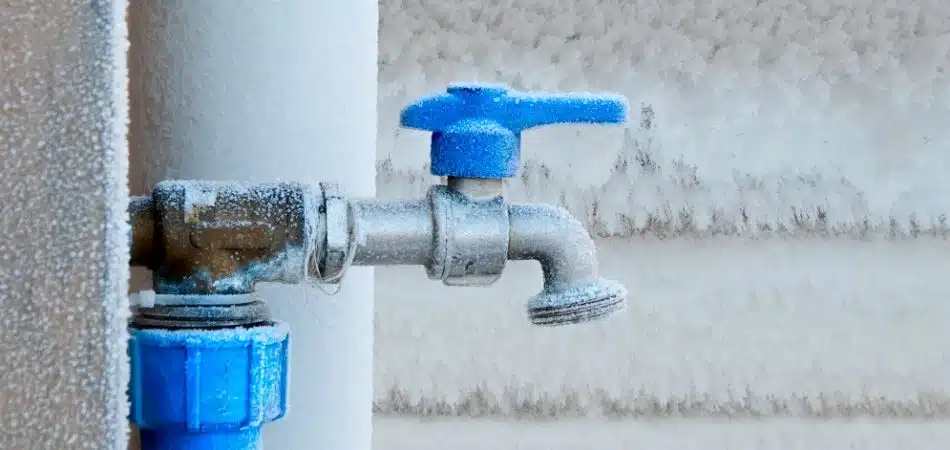
To protect pipes from freezing in Maryville, TN, during cold snaps, allow faucets to drip slowly (both hot and cold), keep cabinet doors open, and maintain a consistent thermostat temperature of at least 55°F. Insulate exposed pipes in unheated areas (attics, crawl spaces, garages) and cover outdoor faucets.
Cold snaps in Maryville rarely linger, but they do not have to last long to cause real damage. A single overnight dip into the teens can freeze an exposed water line, and once ice forms inside a pipe, expansion pressure splits copper, cracks PEX joints, or ruptures older galvanized plumbing. By the next afternoon, water is already flooding through walls, floors, and ceilings.
Freezing pipes are almost always preventable. Our team at Tennessee Standard Plumbing has handled freeze-related service calls across Maryville, Alcoa, and Blount County for over a decade, and the same steps protect homes through every cold snap.
If you have not winterized yet, contact us today to schedule a winter plumbing check before the first freeze.
Pipes in Maryville begin to freeze when outdoor temperatures stay at 20 degrees Fahrenheit or lower for at least six hours. Insulated indoor lines may hold longer, while uninsulated pipes in crawl spaces, garages, or exterior walls can freeze in as little as three hours. Wind chill and prolonged cold both shorten that window.
Maryville sits in a humid subtropical zone where January is the coldest month. The average low is 29.5 degrees Fahrenheit, and the average high reaches 44.8 degrees. Most winters produce 6 to 9 inches of snowfall, with the heaviest cold arriving in late December through mid-February.
The everyday low of 29 degrees is not the threat. Burst pipes happen during arctic blasts that drive temperatures into the teens or single digits. East Tennessee sees these events most years, sometimes lasting two or three days, when uninsulated supply lines, hose bibs, and crawl space plumbing fail.
Pipe materials respond differently to freezing. Copper holds high pressure, but soldered joints can split. PEX is more flexible and tolerates expansion, though crimp connections still rupture under sustained ice pressure. Older galvanized steel and CPVC turn brittle and break readily. Knowing what runs through your walls helps prioritize which lines to insulate first.
The pipes most likely to freeze in a Maryville home are uninsulated water lines in crawl spaces, attics, garages, exterior walls, and outdoor hose bibs. These locations sit outside your home’s heated envelope and cool to outdoor temperatures within hours of a cold snap. Pipes inside heated living areas rarely freeze unless heat is lost.
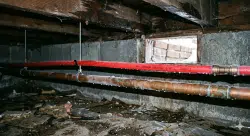 Many older Maryville homes have crawl spaces where supply lines run unprotected. If the crawl space vents are open and the perimeter is uninsulated, air around those pipes drops below freezing within hours. Closing vents, adding crawl space insulation, and wrapping pipes with foam sleeves all reduce risk.
Outdoor faucets, also called hose bibs or sillcocks, are the most common freeze point. Water trapped between the spigot and the indoor shut-off valve freezes first, then expands back into the home, often cracking the supply line behind drywall. Disconnecting hoses, draining the spigot, and adding a foam faucet cover handle this risk.
Pipes routed through exterior walls or under garages cool whenever indoor temperatures drop. Even with weather-tight construction, sustained cold pulls heat from these wall cavities. Cabinet doors under kitchen and bathroom sinks should stay open during cold snaps to let warm air reach the pipes. Plumbing in unheated attics or unfinished basements needs direct insulation or heat tape during multi-day cold events.
Prepare your Maryville home for freeze season in early to mid-November. Disconnect outdoor hoses, drain spigots, insulate exposed pipes with foam sleeves or fiberglass wrap, seal air leaks at plumbing penetrations, and confirm your indoor thermostat will hold at least 55 degrees Fahrenheit when no one is home.
Foam pipe insulation sleeves slip directly over exposed pipes in crawl spaces, garages, and unheated rooms. For pipes in extreme exposure zones, electric heat tape adds active warming. Both are widely available, but proper installation matters. Our team handling water piping services in Knoxville can pinpoint vulnerabilities and install heat tape safely.
Cold air infiltration through rim joists, foundation cracks, and wall penetrations cools pipes faster than insulation alone can prevent. Caulk gaps where pipes enter exterior walls. Add foam gasket inserts to outlet covers on exterior walls. Check basement and crawl space access doors for weatherstripping.
Keep indoor temperatures at 55 degrees or higher, even when you travel. Do not turn off the heat to save on utility costs. The savings will not cover a burst pipe repair.
When forecasts call for overnight lows below 20 degrees Fahrenheit, take immediate action: open cabinet doors under sinks, let one or two faucets drip, keep garage doors closed, and confirm insulated pipes are still wrapped. These overnight habits keep water moving and warmth circulating through vulnerable areas.
Allow a slow, pencil-lead-thin stream from one or two faucets on exterior walls or far from your water heater. Moving water resists freezing, and the open faucet relieves pressure if a section ices over. Both hot and cold lines should drip, since hot water pipes freeze too.
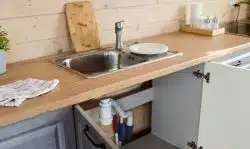 Bathroom and kitchen cabinets often hide pipes behind insulated walls. Open the doors so warm room air circulates around them. The same applies to laundry rooms and closets that house plumbing.
Watch for these early indicators that a pipe may be freezing:
Catching a freeze early often allows for a safe thaw. Once water drips from a ceiling, the damage is done.
If you suspect a frozen pipe, shut off the main water supply immediately and call a licensed plumber. If the pipe has burst, close the valve at the meter or main line and contact a professional for emergency burst pipe repair. Acting within the first hour minimizes water damage and lowers repair costs.
Every Maryville homeowner should know where the main water shut-off valve is before an emergency. It typically sits where the supply line enters the home, often in a basement, crawl space, or near the water heater. Tag it so anyone in the household can find it quickly.
If you have located a frozen pipe with no visible rupture, attempt a slow thaw using a hair dryer or space heater set away from flammable materials. Never use an open flame, which can damage the pipe and cause fire. Start at the faucet end and work back toward the frozen section so melting water can drain.
 Call a plumber immediately if you notice:
For homes with chronic freeze problems, our team can assess whether pipe leak repair for small post-thaw leaks or whole-home repipe services make more sense long-term. Older homes with galvanized or polybutylene piping often benefit from full repipes that eliminate freeze-prone sections.
Freeze damage is one of the most preventable plumbing problems we see, and in our work across Maryville and Blount County, the homes that come through East Tennessee winters without incident share the same habits: insulated pipes, sealed drafts, dripping faucets on cold nights, and a thermostat that never drops below 55 degrees. A Saturday in November on these basics is far easier than a flooded living room in January.
If you are not sure your home is ready, our team at Tennessee Standard Plumbing is ready to help. We provide frozen pipe repair, winterization checks, and full plumbing assessments throughout Maryville, Alcoa, and the greater Blount County area. Our water leak detection service catches hidden post-thaw damage behind walls and floors.
Call us today to schedule a winter plumbing inspection or freeze-prevention service before the next cold snap hits
Start protective measures whenever overnight lows are forecasted at 32 degrees Fahrenheit or below. Active freeze risk begins at 20 degrees sustained for six hours or more, which most often happens during arctic outbreaks in December, January, and February.
Insulated pipes can freeze in about six hours when outdoor temperatures stay at 20 degrees or below. Uninsulated pipes in crawl spaces, garages, or exterior walls can freeze in as little as three hours during severe cold.
No. Drip faucets only when overnight lows are forecasted below 20 degrees. A pencil-lead-thin stream from one or two faucets on exterior walls is enough. Constant dripping wastes water and is not necessary for typical Maryville winter nights.
Burst pipe repair costs in the Knoxville and Maryville area generally range from a few hundred dollars for an accessible repair to several thousand dollars for pipes hidden in walls, slabs, or crawl spaces. State Farm reported that the average frozen pipe insurance claim payment exceeded $30,000 from 2024 through mid-2025, once flooring, drywall, and personal property losses are included.
Yes. Pipes inside exterior walls, under sinks against outside walls, or in unheated rooms can freeze even when the rest of the home is warm. This is why opening cabinet doors and dripping faucets matter during cold snaps.
Foam pipe sleeves with at least half-inch wall thickness work for most Maryville homes. For pipes in crawl spaces or unheated areas exposed to single-digit temperatures, combine foam insulation with electric heat tape. Closed-cell foam handles humidity better than open-cell in vented crawl spaces.
Most standard policies cover sudden water damage from frozen pipes, but coverage depends on whether you took reasonable steps to prevent freezing. If you turned off your heat while away, the claim may be denied. Review your policy’s freeze and water damage clauses each fall.
Watch for sharply reduced water pressure, a faucet that produces only a trickle when opened fully, frost on visible pipes, or banging sounds in the walls during cold weather. These early signs give you time to call a plumber before the pipe ruptures.
Yes. Shutting off the main water supply and draining the lines before traveling is the best protection against freeze damage during your absence. If you do not want to drain the system, leave heat at 55 degrees or higher and let one or two faucets drip during forecasted cold snaps.
Maryville homes built before 1996 should have pipes inspected every 2 to 3 years, especially if they use galvanized steel (common pre-1960s), polybutylene (used 1978 to 1995), or older copper with worn soldered joints. A licensed plumber can identify aging supply lines and exposed runs that need insulation or replacement before winter.
Same-day Service Available
Mon – Fri: 7:30 am – 5:00 pm