
Same-Day Service Available
00
Hrs
00
Mins
00
Secs
Need a Plumber in Knoxville? We’re Ready to Help!
Same-Day Service Available
Need a Plumber in Knoxville? We’re Ready to Help!
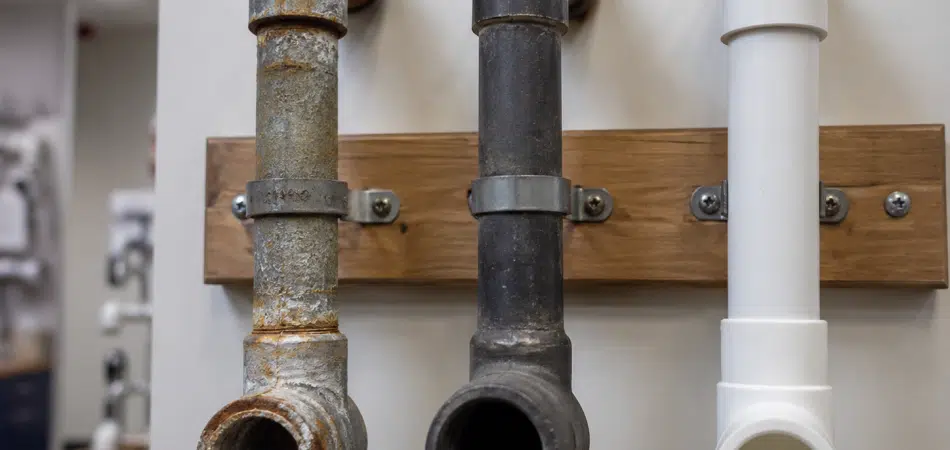
Many homeowners across the country live in houses built when galvanized steel and lead were standard materials for residential plumbing. If your home was constructed several decades ago, there is a reasonable chance that some of these older materials still make up part of your plumbing system. Tennessee Standard Plumbing provides plumbing services in Maryville to help homeowners understand and address aging pipe systems throughout their property.
Whether you have recently purchased an older home or have lived in one for years, understanding what your pipes are made of can help you make informed decisions about maintenance and future upgrades. At Tennessee Standard Plumbing, we believe that general awareness of pipe materials is one of the most practical first steps a homeowner can take toward protecting both their property and their water supply.
Galvanized steel pipes were widely used in home construction for much of the last century. These pipes are made of steel coated with a layer of zinc, intended to prevent rust and corrosion over time.
When they were first introduced, galvanized pipes were considered a reliable and affordable choice for both water supply lines and drain lines in residential buildings. Many homes that still stand today were originally outfitted with galvanized plumbing throughout their water supply systems, and some of those original pipes may still be in service.
Lead pipes have an even longer history in residential plumbing. The word “plumbing” itself is derived from the Latin word “plumbum,” which means lead. Lead was a popular choice for water service lines because it was flexible, durable, and relatively easy to work with during installation.
Older homes may still have lead service lines connecting them to municipal water systems, and some may also have lead solder used at pipe joints within their internal plumbing. For many years, lead was viewed as a perfectly acceptable material for carrying drinking water.
Both galvanized steel and lead were considered practical and acceptable building materials during the periods when they were most commonly installed. Building codes and industry standards have evolved considerably since then, and modern plumbing practices have shifted toward newer materials that address many of the limitations and concerns associated with these older pipe types. Homeowners who are aware of these changes can make better-informed decisions about maintaining or upgrading their plumbing.
 One of the simplest ways to get a general idea of what your pipes are made of is to look at exposed sections in areas like basements, crawl spaces, or utility closets.
Galvanized steel pipes typically have a dull gray or silver appearance and may show signs of rust or mineral buildup on their exterior surface. They tend to be threaded at connection points and often feel rough to the touch when compared to other common pipe materials.
Lead pipes usually have a darker gray color and appear slightly duller than galvanized steel. They are softer than other metals commonly used in plumbing and may show surface marks more easily.
Copper pipes are easy to distinguish by their reddish-brown color, though they may develop a green patina over time with prolonged exposure to moisture. Plastic pipes are lightweight and come in a variety of colors depending on their intended purpose within the plumbing system.
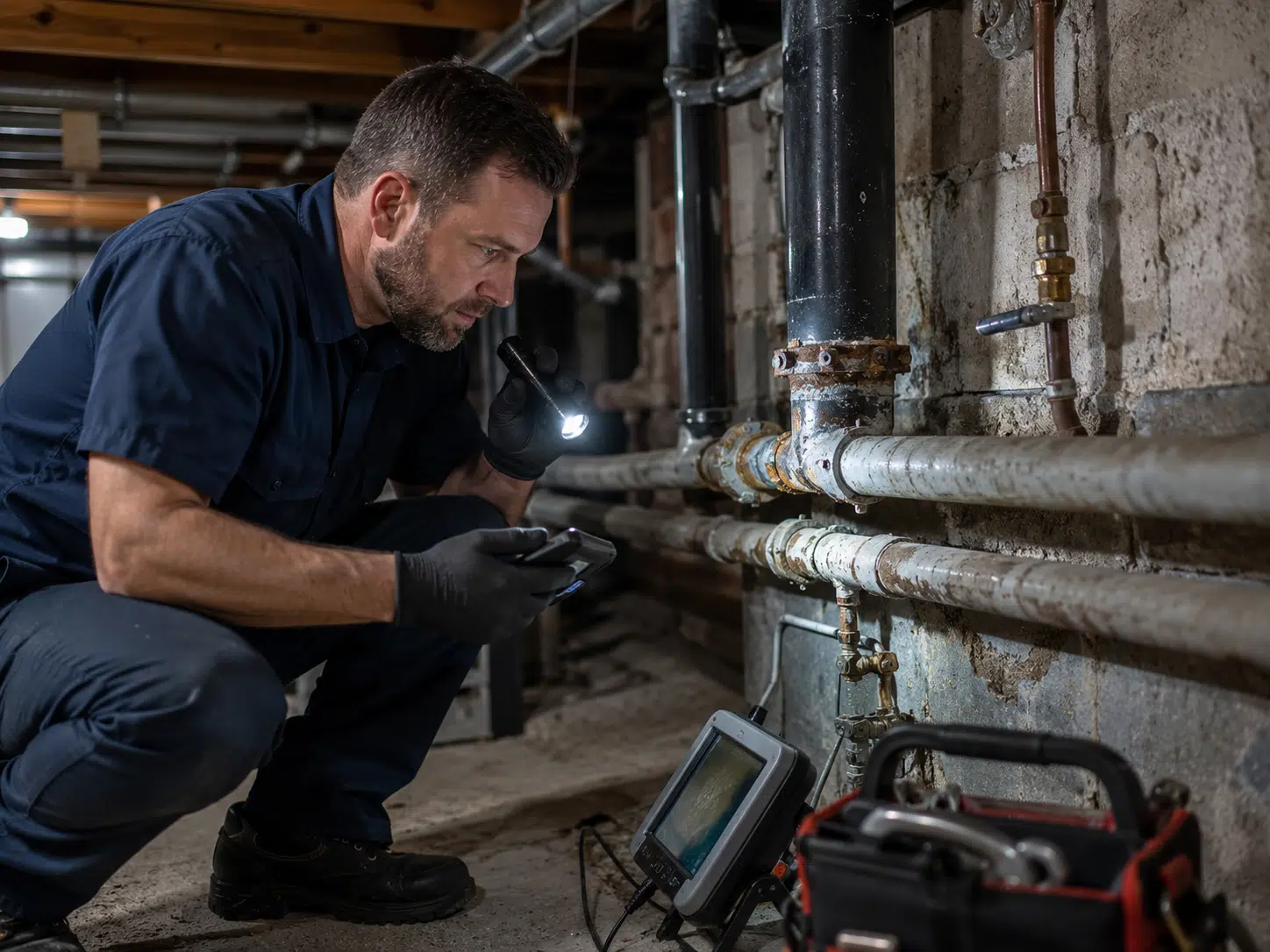
If you are not certain about what material your pipes are made of, a licensed plumber can provide a professional assessment and help you understand the current condition of your entire plumbing system. This type of evaluation can be especially helpful for homeowners who are planning renovations, noticing changes in their water quality or pressure, or simply want a clearer picture of what is running behind the walls and underneath the floors of their home.
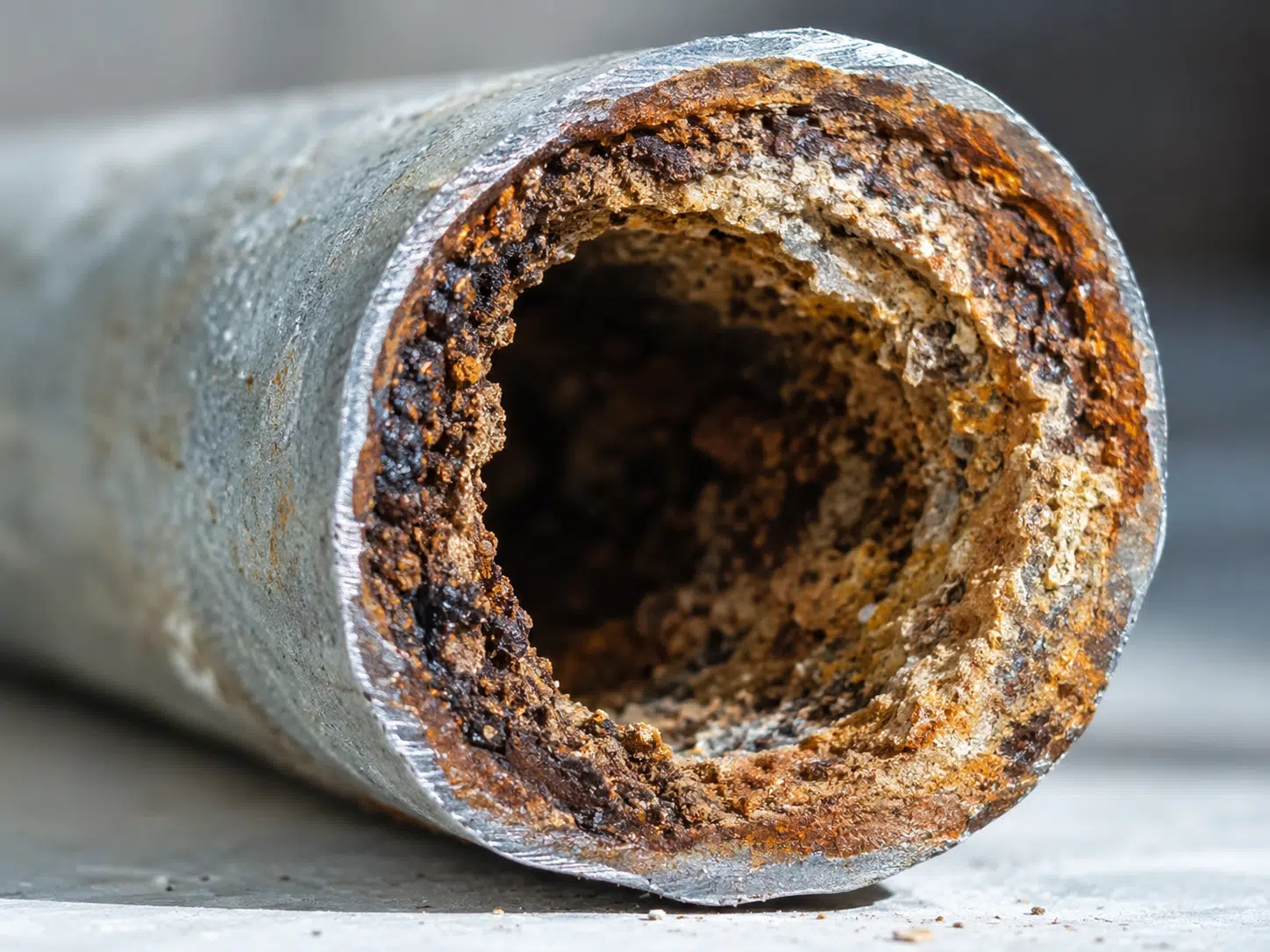
 Over time, the protective zinc coating on galvanized pipes gradually wears away through normal use. Once that zinc layer is gone, the underlying steel becomes exposed to water and begins to corrode from the inside.
This internal corrosion can accumulate over the years and gradually restrict the flow of water through the pipes. Homeowners with aging galvanized pipes may notice reduced water pressure at their fixtures, discolored water, or occasional rusty sediment coming from their faucets.
Because this type of corrosion develops internally, it is not always visible from the outside of the pipe. A pipe that looks perfectly fine on its outer surface may have considerable buildup inside that is affecting both water quality and flow throughout the home.
This is one of the reasons why professional pipe inspections can be so valuable for owners of older homes who want to stay informed about the condition of their plumbing before small concerns become larger problems.
The presence of lead in residential plumbing has become a topic of growing public awareness across the country. Lead can gradually dissolve into drinking water under certain conditions, and public health organizations have widely communicated the importance of reducing lead exposure wherever possible. This widespread awareness has prompted many homeowners to look more closely at what their plumbing systems are made of and to consider having their pipes professionally evaluated.
Homes that still have lead service lines or lead solder joints may benefit from having their water tested and their plumbing evaluated by a qualified professional. Many municipalities have also taken steps to identify and replace lead pipes within their water distribution systems, and homeowners can often contact their local water utility for information about whether lead service lines are present in their area.
When galvanized or lead pipes have reached a point where repairs are no longer practical, homeowners generally have the choice of repiping. This involves replacing old pipe materials with modern alternatives that are designed to resist corrosion and deliver clean water reliably over time. Today’s residential plumbing materials are lighter, more durable, and built to perform well throughout a long service life. Repiping can also improve water pressure and overall water quality throughout the home.
The decision to repipe a home is a major one, and it is best made in consultation with a licensed plumber who can evaluate the current state of the plumbing system and recommend the most appropriate path forward. Factors that may influence this decision include the age of the home, the condition of the existing pipes, water quality concerns, and the homeowner’s long-term plans for the property.
In some situations, partial repiping may be a practical approach, where only the most compromised sections of pipe are replaced while the remainder of the system stays in place. A qualified plumber can help determine whether a full or partial repipe makes the most sense for a given home based on a thorough evaluation of the entire plumbing system and the specific concerns the homeowner has raised.
If you own an older home in Maryville or the surrounding Blount County area, having your plumbing system professionally evaluated is a practical step toward understanding what your pipes are made of and whether they may need attention in the years ahead.
Tennessee Standard Plumbing works with homeowners throughout the region to provide honest assessments and dependable service for all types of residential plumbing concerns. Whether you are noticing early signs of aging pipes or simply want peace of mind about your plumbing infrastructure, our team is ready to help with a professional evaluation.
You can reach our Maryville plumbing team by calling (865) 352-9003 to discuss your plumbing questions, or you can schedule a visit online at your convenience. We are here to help you make informed decisions about your home’s plumbing system and to provide the professional support you need.
Yes. Some older homes in Maryville, particularly those built before the 1960s, may still have galvanized steel plumbing. While true lead water service lines are uncommon in the area, some older homes may contain lead solder or brass plumbing components installed before modern plumbing standards were adopted. Many properties have already been updated, but older plumbing systems still exist.
Galvanized pipes are gray or silver in color and have threaded fittings rather than soldered joints. Over time, they often develop rust, corrosion, reduced water pressure, and discolored water. A licensed plumber can inspect your plumbing system and confirm the pipe material.
Galvanized pipes are generally not considered a health hazard like lead pipes, but they do corrode from the inside over time. Corrosion can restrict water flow, increase the risk of leaks, and release rust particles into your water, affecting its taste and appearance.
Homes built before 1988 may contain lead solder, brass fixtures with higher lead content, or other lead-containing plumbing materials. If you’re unsure, a plumber can inspect your plumbing, or you can have your drinking water professionally tested to determine whether lead is present.
In many cases, yes. Even if galvanized pipes are not actively leaking, decades of internal corrosion can reduce water pressure and increase the likelihood of future leaks or pipe failures. Replacing aging galvanized plumbing before major problems occur can improve reliability and water quality.
Modern plumbing systems typically use PEX, copper, or CPVC, depending on the home’s plumbing layout and local building codes. These materials resist corrosion, improve water flow, and provide a much longer service life than aging galvanized steel.
Replacing outdated plumbing can make a home more attractive to buyers because it reduces the likelihood of future plumbing issues and costly repairs. Updated plumbing also improves water pressure, reliability, and overall peace of mind for homeowners.
Same-day Service Available
Mon – Fri: 7:30 am – 5:00 pm