Same-Day Service Available
00
Hrs
00
Mins
00
Secs
Need a Plumber in Knoxville? We’re Ready to Help!
Same-Day Service Available
Need a Plumber in Knoxville? We’re Ready to Help!
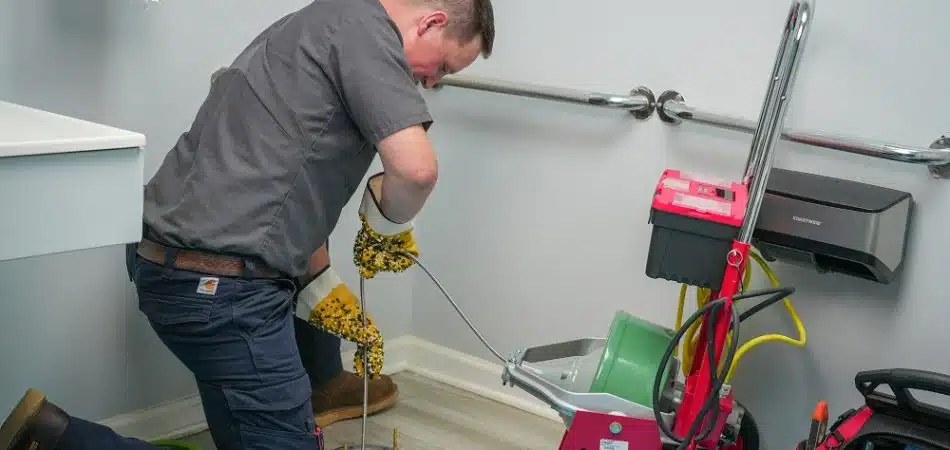
Drain clearing services in Maryville, TN address clogs caused by grease accumulation, hair, soap scum, mineral scale, and tree root intrusion in residential drain and sewer lines. Professional plumbers in Maryville, TN use motorized cable augers for straightforward blockages and hydro jetting for recurring or deep-seated clogs.
Video camera inspection is the standard diagnostic tool for identifying the exact location and type of obstruction before service begins. Most clogged drains can be cleared the same day, though recurring problems may signal a larger issue in the main sewer line. Scheduling professional drain clearing at the first sign of slowing drainage prevents backups, water damage, and costly sewer repairs.
A slow drain is easy to ignore until it stops draining entirely. For homeowners in Maryville, drain problems are one of the most common calls to a licensed plumber. Whether the issue is a kitchen sink that backs up after every meal or a shower drain that pools water around your feet, professional drain clearing can restore normal flow and prevent the problem from becoming something much more serious.
At Tennessee Standard Plumbing, our licensed plumbers have cleared most of drains across Maryville and the broader Greater Knoxville area. We use the right tools for each situation, from motorized cable augers to high-pressure hydro jetting, so the fix is thorough and not just temporary. If you are dealing with a stubborn clog or a drain that keeps coming back, contact us today to schedule a same-day appointment.
Drain clogs form when solid or semi-solid material builds up inside the pipe walls until water can no longer flow freely. The cause varies by location in the home, but several factors specific to Blount County homes make drain problems more common here than in other parts of the country.
Cooking grease and food debris are the leading causes of kitchen drain clogs. When hot grease is poured down a drain, it is liquid, but as it cools it solidifies and sticks to the interior walls of the pipe.
Over weeks and months, additional layers of grease, soap residue, and food particles accumulate on top of that coating, gradually narrowing the effective diameter of the pipe until flow slows or stops entirely. Even homes with a garbage disposal are not immune, since the disposal breaks food into smaller particles that still coat the drain line.
The most effective way to keep kitchen drains clear is to avoid pouring grease down the sink and to run cold water through the disposal for 30 seconds after each use. For drains that are already slow, a professional drain cleaning service can remove the accumulated coating rather than simply punching a hole through it.
Bathroom sink and shower drains clog primarily from hair binding with soap scum to form a dense, sticky mass inside the P-trap and drain line. Shampoo and body wash contain surfactants that combine with mineral deposits in the water and with shed hair to create a blockage that is difficult to remove with a plunger alone. The P-trap, the curved section of pipe directly below the drain, is the most common location for this type of clog.
East Tennessee well water can contain elevated levels of calcium and magnesium depending on the local geology. These minerals deposit on the interior walls of drain pipes over time, creating a rough surface that accelerates the trapping of hair, soap, and debris. Homes in Blount County supplied by private wells are more likely to experience mineral-related buildup than those on Maryville’s municipal water supply, which draws from the Little River and is generally classified as soft to moderately soft.
Tree root intrusion is one of the most serious causes of recurring drain problems, and it is common throughout Maryville’s older neighborhoods where mature oak, silver maple, sweetgum, and tulip poplar grow near utility corridors.
Tree roots seek moisture, and the small amount of water vapor escaping from a drain line is enough to draw fine root tendrils toward joints and hairline cracks in the pipe. Once inside, the root mass expands and captures debris passing through the line, causing progressively slower drainage until a full blockage forms.
Cable snaking can open a root-blocked line temporarily, but it does not remove the root mass from the pipe. Hydro jetting followed by a sewer camera inspection is the correct approach for confirming whether root removal was complete or whether sewer line repair is needed.
Mineral scale, also called limescale, forms when calcium carbonate and magnesium deposits crystallize on the interior surface of drain and supply pipes. Over time, these deposits narrow the pipe opening and create a rough texture that catches hair, grease, and other organic material.
Blount County well water can have notable hardness, which means homes that have not had a water softener installed are more likely to experience mineral-related drain slowdowns. Scale buildup is particularly common in older cast iron or galvanized steel drain lines, where corrosion provides additional surface area for deposits to form.
Professional drain clearing is not a single technique but a set of tools and methods matched to the type and severity of the clog. A licensed plumber will assess the situation before recommending a specific approach, and in many cases will use a video camera to confirm the diagnosis before beginning work.
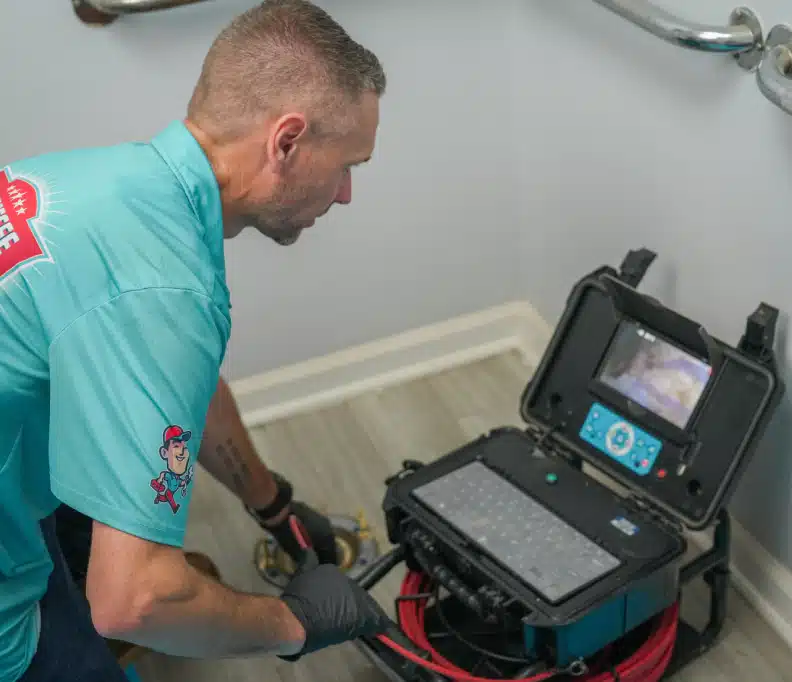 Video camera inspection is the diagnostic step that separates professional drain service from guesswork. A waterproof camera on a flexible cable is fed into the drain line, transmitting real-time footage to a monitor the technician views at the surface.
This reveals the exact location of the clog, the type of material blocking the pipe, and the condition of the pipe walls. Without camera inspection, a plumber is clearing a drain blind. With it, the correct tool and technique can be selected on the first visit rather than after multiple failed attempts.
Camera inspection also identifies secondary issues such as pipe cracks, joint separation, root intrusion, and sections with significant scale accumulation. Catching these during a routine drain clearing visit prevents a small repair from becoming a sewer line replacement later.
A motorized cable auger, commonly called a drain snake or electric snake, is a rotating metal cable with a cutting head that is fed into the drain pipe until it reaches the obstruction. The rotating motion of the cable either breaks up the blockage or hooks it so the material can be pulled back through the pipe. Cable augers come in different diameters and lengths depending on whether the target is a bathroom sink, a floor drain, or a main sewer line.
Cable snaking is effective for straightforward clogs caused by hair, soft debris, and foreign objects that have settled in the trap or upper drain line. It is less effective for grease coating the pipe walls, mineral scale, or root masses, because the cable creates a path through the obstruction without cleaning the pipe surface.
Hydro jetting uses a high-pressure water stream at 1,500 to 4,000 PSI to scour the interior walls of the drain or sewer line from the inside out. A specialized hose with a multi-directional nozzle is fed into the pipe through a cleanout access point, and the pressurized water simultaneously pushes forward to clear the obstruction and blasts backward to wash loosened debris toward the main sewer.
Unlike cable snaking, hydro jetting removes accumulated grease, mineral deposits, soap scum, and tree root material from the pipe walls rather than simply creating an opening. Hydro jetting is the correct method for recurring drain clogs, main sewer line maintenance, and any situation where the camera inspection reveals heavy buildup.
It is not recommended for pipes with significant corrosion or cracks, because the pressure could cause further damage to already compromised pipe walls. A camera inspection before jetting is always the right approach to confirm the pipe is in condition to handle high-pressure cleaning.
Preventive drain maintenance involves scheduled professional cleaning on a regular interval before clogs form rather than after they cause a backup. For most Maryville homes, annual or biannual maintenance visits keep kitchen and bathroom drain lines clear of accumulated buildup and reduce the chance of emergency stoppages. Homes with mature trees near sewer lines, older cast iron or clay tile sewer pipes, or a history of recurring clogs benefit from more frequent service.
Recognizing the early warning signs of a developing drain problem allows homeowners to schedule service before a slow drain becomes a complete backup or a sewer overflow.
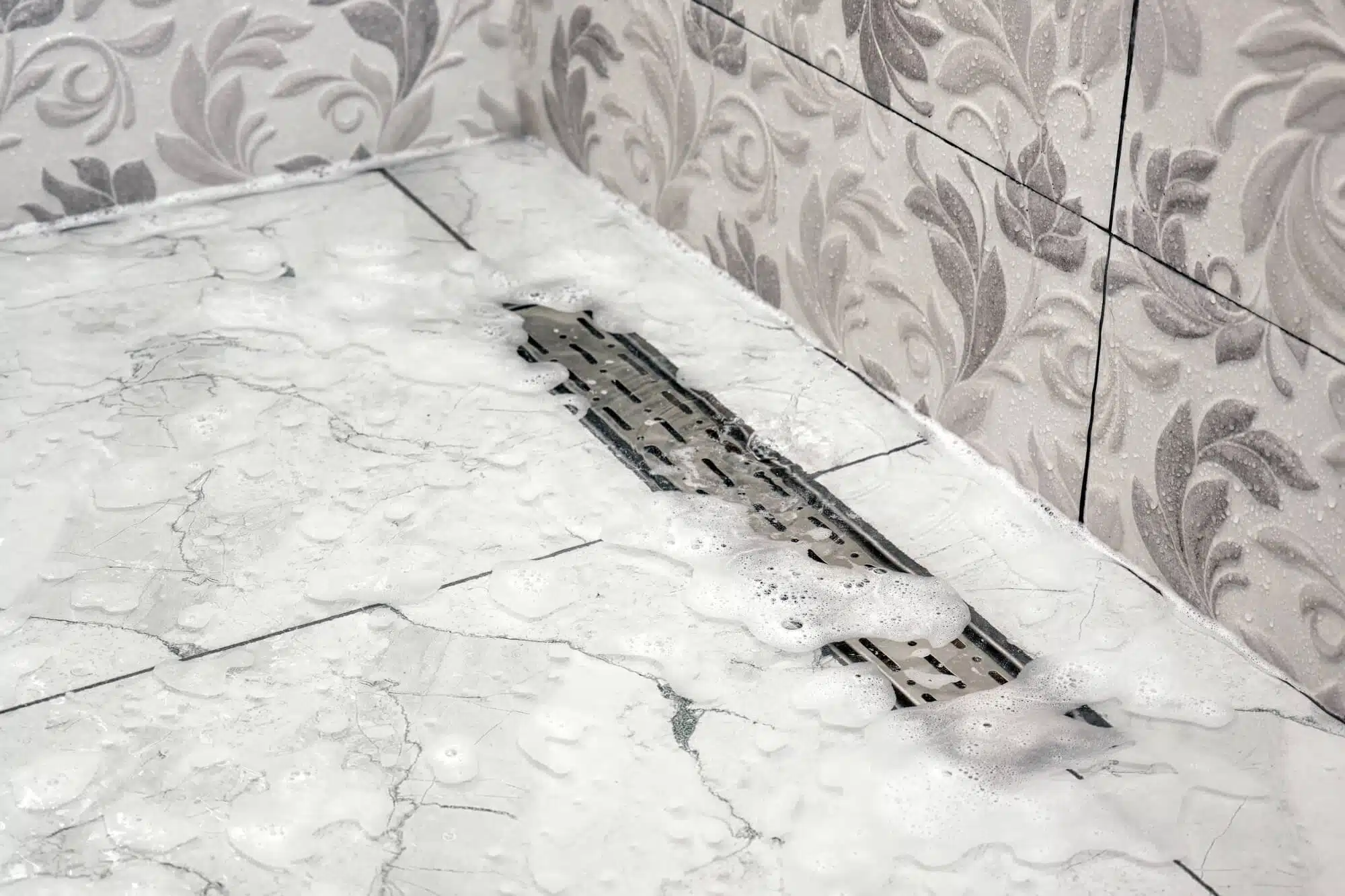 A single slow drain typically indicates a localized clog in that specific fixture’s trap or branch drain line. Multiple fixtures draining slowly at the same time, or gurgling sounds coming from a floor drain when you flush a toilet, suggest the problem is further down the line in the main drain or sewer lateral.
Gurgling sounds are caused by air being displaced through the nearest open drain as water tries to push past a partial obstruction. If two or more fixtures are slow simultaneously, scheduling a camera inspection of the main sewer line is the most direct way to confirm whether the blockage is in the shared drain system.
A drain that clears normally with a plunger or drain snake but slows again within two to three weeks was not fully cleared. The cable snake opened a channel through the blockage but did not remove the grease coating or mineral buildup on the pipe walls that caused the clog to form. The remaining material continues to accumulate debris until the pipe restricts again. Recurring clogs in the same drain are a clear indicator that hydro jetting is needed to remove the root cause rather than just the symptom.
A sulfur or sewage smell coming from a drain that is otherwise draining normally can indicate a dry P-trap, a partial obstruction trapping decomposing organic material, or a cracked sewer line allowing sewer gas to enter the living space. Sewer gas contains hydrogen sulfide, which is both unpleasant and potentially hazardous at elevated concentrations. A camera inspection can identify whether the odor is caused by a blockage or by a structural issue in the sewer line requiring sewer line repair.
A toilet that gurgles when the washing machine drains, or a floor drain that backs up when someone takes a shower, indicates a blockage in the shared sewer line serving multiple fixtures.
This is a main line stoppage, not a fixture-level clog. Main line stoppages require a motorized sewer snake or hydro jetting equipment large enough to reach and clear the primary lateral, along with camera confirmation that the blockage has been fully removed. Left unaddressed, a main line stoppage can result in raw sewage backing up into the lowest fixtures in the home.
Some minor clogs respond to basic DIY methods, but understanding the limits of those methods prevents homeowners from making recurring problems worse.
A cup plunger is effective for soft clogs in the immediate drain opening of a sink, shower, or floor drain. It works by creating pressure and suction to dislodge a blockage that has not traveled far into the pipe. A hand-crank cable snake, available at hardware stores, can reach clogs in the trap and the first few feet of the drain line. These tools are appropriate for occasional, isolated clogs with no history of recurring problems.
Enzyme-based drain cleaners, which use live bacterial cultures to digest organic material, are a safe maintenance option for regularly maintained drains. They do not dissolve grease the way high-pressure water does, but they are not harmful to pipes or to the municipal sewer system.
Chemical drain cleaners containing sulfuric acid or lye are not recommended; they can damage PVC and older metal pipes, are hazardous to handle, and rarely address the underlying cause of a recurring clog.
Call a licensed plumber for drain clearing in Maryville when the clog does not clear after basic DIY attempts, when the same drain has clogged two or more times in the same season, when multiple fixtures are slow or backing up simultaneously, or when sewage odors are present. These situations indicate a problem beyond the reach of consumer tools and require professional equipment and diagnostics to resolve correctly.
Attempting to force a drain snake deeper than the tool is designed to reach can dislodge pipe joints in older homes, especially those with cast iron or clay tile drain lines. A licensed plumber will assess the pipe condition before deciding which method is appropriate.
Maryville’s mix of historic homes, mid-century construction, and newer developments in the foothills of the Great Smoky Mountains creates a range of plumbing conditions that affect how drain systems age and perform.
Older homes in the downtown and historic district areas may have original cast iron drain pipes or clay tile sewer laterals. Cast iron corrodes from the interior over decades, developing rough, pitted surfaces that trap debris and accelerate clog formation. Clay tile sewer lines are susceptible to root intrusion at every pipe joint. Both materials require careful assessment before hydro jetting to confirm the pipe walls can handle the pressure.
Newer developments in the Maryville growth corridor along US-129 typically use PVC drain lines, which are smooth, resistant to scale buildup, and well-suited for hydro jetting. However, even PVC lines develop grease and soap accumulation over time, particularly in homes without a garbage disposal maintenance routine.
The foothills climate brings heavy seasonal rainfall, periods of soil saturation, and freeze-thaw cycles in winter. These conditions shift the ground around buried sewer laterals, which can open joint gaps that tree roots exploit. Homeowners with large trees near the sewer line running from the house to the street should schedule a camera inspection every two to three years as a baseline check.
Knowing what a professional service visit looks like helps homeowners plan and eliminates surprises.
The plumber will ask about the affected fixtures, how long the problem has been present, and whether it is recurring. For any stoppage beyond a simple fixture-level clog, the technician will recommend a video camera inspection to confirm the location and nature of the blockage before work begins. This step typically takes 10 to 20 minutes and gives the plumber a clear picture of what tools and techniques the job requires.
After the appropriate clearing method is applied, the technician will run water through the system and, in many cases, pass the camera through the line again to confirm the blockage has been fully removed and the pipe wall condition is acceptable. A reputable plumber will not close out the job until the drain is confirmed flowing at normal capacity.
A professional plumber will present pricing before work begins and offer multiple options when more than one approach is available. For example, a motorized snake may clear today’s clog at a lower immediate cost, while hydro jetting paired with a camera inspection may cost more upfront but reduce the likelihood of a return call within the same season. Understanding both options allows the homeowner to make an informed decision based on the drain history and budget.
After a professional drain clearing, a few consistent habits extend the time between service calls. Keep a mesh drain screen over shower and tub drains to capture hair before it enters the pipe. Dispose of cooking grease in a container rather than the sink, even when using a garbage disposal.
Run the dishwasher and washing machine during off-peak hours to give the drain system time to recover between high-volume uses. For homes with hard water, scheduling a water quality test can determine whether a water softener would reduce mineral scale accumulation across all drain and supply pipes.
Drain problems do not resolve on their own. A slow drain today becomes a complete backup tomorrow, and a recurring clog that is never fully cleared can mask a growing root intrusion or sewer line failure. Getting the right diagnosis and the right method the first time is the difference between a minor inconvenience and a major repair.
Our team at Tennessee Standard Plumbing serves Maryville with licensed, trained plumbers who use camera inspection on every job that requires it. We offer transparent pricing, same-day scheduling when available, and the commitment to fix what we find. Call us at (865) 352-9003 or schedule online today to book your drain clearing service. Peaceful pipes, peaceful life.
The cost of drain clearing in Maryville depends on the type of service required. A cable snake service for a straightforward clog in a single fixture is typically less expensive than hydro jetting a main sewer line. Most licensed plumbers will assess the situation and present pricing before beginning work. Call Tennessee Standard Plumbing at (865) 352-9003 for a service call and transparent pricing options.
Most single-fixture drain clearing appointments take between 30 minutes and one hour depending on the location and severity of the clog. Main sewer line clearing with hydro jetting and camera inspection takes longer, typically one to two hours, because the full line must be inspected before and after service.
Drain clearing removes an active blockage that is restricting or stopping flow in a specific drain or sewer line. Drain cleaning is a more thorough process that removes accumulated grease, scale, and biofilm from the interior pipe walls to prevent future clogs. Drain clearing addresses the symptom; drain cleaning addresses the cause.
Chemical drain cleaners are not recommended before calling a plumber. These products rarely fully dissolve a clog, and they leave caustic residue inside the pipe that the plumber will need to work around safely. They can also accelerate corrosion in older metal pipes. A plunger or basic hand snake is a safer first attempt for simple clogs.
A drain that clogs again within a few weeks was not fully cleared on the previous service. A cable snake opens a path through the blockage but does not remove grease coating or mineral buildup from the pipe walls. Hydro jetting and a video camera inspection are needed to fully clean the pipe interior and confirm the underlying cause has been addressed.
Hydro jetting is safe for pipes in good structural condition, including PVC and undamaged cast iron. For older pipes with existing cracks, corrosion, or joint separation, a video camera inspection should always be performed before jetting to confirm the pipe walls can handle the pressure. A licensed plumber will not recommend hydro jetting if the inspection reveals that the pipe is fragile.
Sewer odors from a drain are typically caused by a dry P-trap that has evaporated its water seal, a partial organic blockage decomposing inside the pipe, or a crack in the sewer line allowing hydrogen sulfide gas to enter the living space. Running water in the affected fixture refills the P-trap if that is the cause. If the odor persists, a sewer camera inspection can identify whether there is a structural issue in the line.
Most homes benefit from professional drain maintenance every 12 to 18 months. Homes with older cast iron or clay tile sewer lines, mature trees near the sewer lateral, or a history of recurring clogs should schedule more frequent service. Kitchen drains that see heavy grease loading may benefit from annual cleaning regardless of whether a clog is present.
Yes. Tennessee Standard Plumbing offers same-day service when appointments are available. Call (865) 352-9003 or schedule online to check availability for your area in Maryville and Blount County.
A drain clog is localized to one fixture or branch drain and affects only that fixture. A sewer line clog is a blockage in the main lateral that serves multiple fixtures, causing backup or slow drainage in two or more drains simultaneously. Sewer line clogs require a larger cable machine or hydro jetting equipment and a camera inspection to clear and confirm the repair.
Same-day Service Available
Mon – Fri: 7:30 am – 5:00 pm