
Same-Day Service Available
00
Hrs
00
Mins
00
Secs
Need a Plumber in Knoxville? We’re Ready to Help!
Same-Day Service Available
Need a Plumber in Knoxville? We’re Ready to Help!
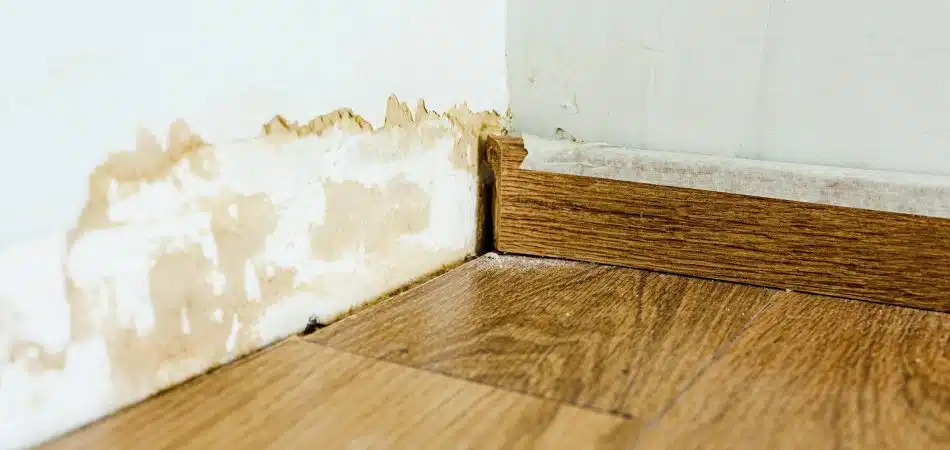
Slab leaks are detected without breaking the floor using non-invasive technology, including acoustic listening devices, infrared thermal imaging, pressure testing, electromagnetic pipe tracing, and tracer gas analysis. These tools let licensed plumbers pinpoint the exact leak location within one to two feet of accuracy before any concrete is opened.
A slab leak is one of the most stressful plumbing problems a Knoxville homeowner can face. Hidden beneath inches of concrete, these leaks waste water, damage foundations, and quietly inflate utility bills for months before anyone notices. The good news is that modern slab leak detection no longer requires jackhammers or guesswork.
With electronic listening equipment, infrared thermal imaging, electromagnetic pipe tracing, and pressure testing, our team at Tennessee Standard Plumbing can locate a hidden leak through the floor without breaking a single tile. If you suspect a slab leak in your East Tennessee home, you can contact us for non-invasive slab leak detection and get answers the same day.
Our five generations of plumbing experience in Knoxville mean we have seen every kind of slab leak imaginable. From pinhole corrosion in older copper supply lines to abrasion failures in post-tension homes, we know what tools to use, what sounds to listen for, and how to interpret the data we gather.
A slab leak is a water leak in the pressurized supply lines or drain pipes that run beneath a home’s concrete foundation. Because the leak is enclosed in dense concrete, surface signs often appear long after damage has begun. Detecting and repairing one early is the difference between a small fix and a full slab replacement.
Hard water mineral content, clay-rich soil that expands when wet and contracts when dry, and decades-old copper piping all contribute to slab leaks in Knoxville. Roughly 80 percent of residential slab leaks occur on hot water lines because thermal expansion and contraction accelerate pinhole corrosion, and rust particles from aging water heaters often settle inside the hot side of the manifold. Older Knoxville homes built before the 1980s frequently still have galvanized steel or original copper pipes that are well past their service life.
Unlike a leak in an exposed wall or under a sink, a slab leak cannot be visually inspected without removing concrete. The pipe is buried, sometimes by 12 inches or more of slab, fill, and finished flooring. East Tennessee freeze-thaw cycles also stress these buried lines from above and below at the same time.
Several telltale symptoms can indicate a leak beneath your foundation before you ever see standing water. Recognizing these signs early reduces both repair costs and structural damage to the home.
 A jump of 10 to 50 percent in your monthly water bill with no change in household usage is one of the strongest indicators of a hidden leak. KUB customers in Knoxville often spot this pattern first when reviewing billing statements alongside meter readings.
A hot water slab leak often creates a noticeably warm patch on tile, vinyl, or hardwood floors. Carpet may feel damp or smell musty in localized areas even when nothing has been spilled.
A continuous hissing, rushing, or trickling sound when all faucets and appliances are off frequently signals a pressurized leak. Copper conducts sound well, so the noise often travels along the pipe and amplifies near fixture shutoff valves.
Persistent moisture under a slab can erode the soil supporting the foundation, leading to hairline cracks in walls and floors. A musty odor inside the home, especially near baseboards, often accompanies long-running leaks and points to mold growth in the subfloor or wall cavity.
Modern plumbers use a combination of acoustic, thermal, electromagnetic, and pressure-based technologies to locate slab leaks without breaking concrete. Each tool answers a different question and works best when used in combination rather than alone.
Electronic ground microphones and geophones amplify the sound of water escaping a pressurized pipe through a small opening. A trained technician moves the sensor in a grid pattern across the floor, marking the spot where the acoustic signature peaks. This electronic leak detection method can typically pinpoint a leak within a one to two-foot radius.
Thermal imaging cameras measure surface temperature differences across the floor. A hot water slab leak produces a heat signature that radiates upward through the concrete, and a cold water leak creates a cooler thermal zone. The image makes invisible temperature gradients easy to read on a screen.
By isolating sections of the home’s plumbing manifold and pressurizing the lines with calibrated gauges, plumbers can confirm whether a leak exists and which line is affected. A measurable pressure drop over a set time period indicates the location and severity of the leak.
Electromagnetic pipe locators send a signal through the metallic supply line and map its path through the slab. Interruptions or anomalies in the signal often correspond with breaks, corroded sections, or moisture in the surrounding concrete, helping the technician narrow the search area before acoustic work begins.
When acoustic methods are inconclusive, a non-flammable mixture of 5 percent hydrogen and 95 percent nitrogen is introduced into the water line. The hydrogen, the smallest molecule in the atmosphere, escapes through the leak and rises through the slab, where a surface-level sensor detects its presence. This method remains highly accurate even in environments with background noise.
For drain-side slab leaks, a flexible fiber-optic sewer camera inspection is fed through an existing cleanout. The live video feed shows cracks, joint separation, or root infiltration without any excavation needed.
A complete slab leak detection appointment follows a defined sequence designed to minimize disruption and maximize accuracy. Each phase narrows the possible leak location until the exact spot is identified.
 The technician begins by reviewing recent water bill changes, listening to the homeowner’s description of symptoms, and walking the property to identify pressure-affected fixtures. This 15 to 20-minute step often reveals important diagnostic clues before any equipment is unpacked.
Next, the main water shutoff is closed, and individual fixture valves are tested to determine whether the leak is on the hot or cold side of the manifold. This isolation step also reveals whether the issue is in the supply line or a drain line.
Acoustic listening, thermal imaging, electromagnetic tracing, and tracer gas tools are deployed across the most likely zones. The technician cross-references findings from each method before marking a target location on the floor with low-tack tape. Targeted water leak detection at this stage is what makes the difference between a clean spot repair and a torn-up floor.
A second pressure test verifies the marked area before any further action is taken. This double-check protects homeowners from unnecessary repairs by confirming the location is correct.
Catching a slab leak early protects your foundation, your floors, and your water bill. The technology now exists to find these hidden leaks with surgical precision, but the equipment only works when paired with the trained ears and experienced judgment of a licensed plumber who knows East Tennessee homes.
If you have noticed warm spots on your floor, rising water bills, or the sound of running water when nothing is on, call Tennessee Standard Plumbing today. Our licensed technicians provide pipe leak repair and full water piping services across Knoxville, Maryville, Oak Ridge, and surrounding East Tennessee communities. From slab-level diagnostics to underground water line work, we are ready to help.
Schedule your slab leak detection visit online or call (865) 352-9003 for same-day service.
A typical residential slab leak detection visit takes between one and three hours. Complex homes with multiple manifold zones or extensive square footage may require additional time, but most leaks are pinpointed within a single appointment.
Slab leak detection generally ranges from 150 to 600 dollars depending on home size, accessibility, and the equipment required. Repair costs are separate and depend on whether spot repair, rerouting, or repiping is recommended after the diagnosis.
Yes, many slab leaks can be repaired without breaking concrete by rerouting the affected pipe through walls or attics, or by using epoxy pipe lining techniques. Spot repair through the slab is also an option when the leak is in an accessible location.
The most common signs include unexplained spikes in your water bill, warm spots on the floor, the sound of running water when fixtures are off, low water pressure throughout the home, and unexplained mildew or musty odors near baseboards.
Keeping incoming water pressure between 40 and 60 PSI, installing a water softener if you have hard water, and scheduling periodic plumbing inspections all help prevent slab leaks. Replacing aging copper lines with PEX-A piping during a major remodel can also extend the life of the system.
Some warning signs can be observed without equipment, such as a warm spot on the floor or the sound of running water with everything shut off. However, accurate pinpointing requires professional acoustic and thermal tools, and self-detection is unreliable for the exact location.
Same-day Service Available
Mon – Fri: 7:30 am – 5:00 pm