
Same-Day Service Available
00
Hrs
00
Mins
00
Secs
Need a Plumber in Knoxville? We’re Ready to Help!
Same-Day Service Available
Need a Plumber in Knoxville? We’re Ready to Help!
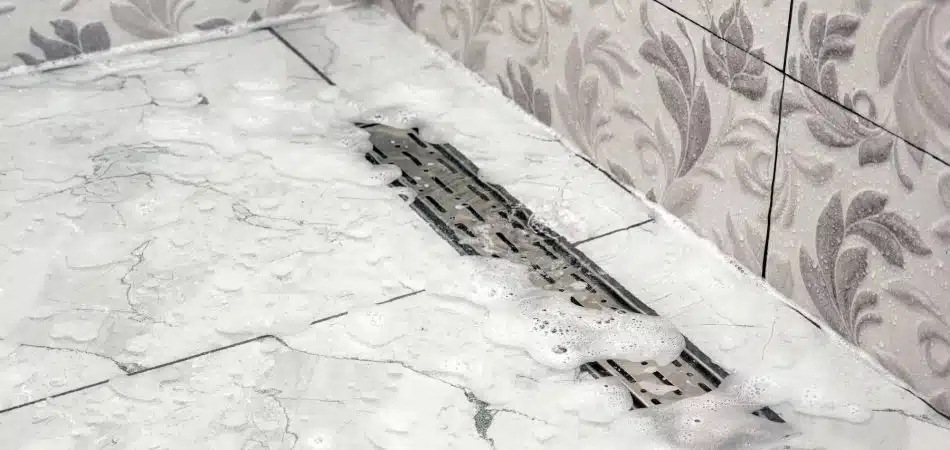
A clogged drain that resolves with one cleaning and never returns is a one-time event. A drain that clogs again three months later, then again three months after that, is a different problem entirely. Recurring clogs are not just bigger versions of the same issue. They are a signal that something structural inside the plumbing is collecting waste faster than normal flow can move it through. The licensed plumbers in Knoxville at Tennessee Standard Plumbing handle recurring clog calls every week, and the patterns are remarkably consistent.

Tennessee Standard Plumbing has served Knoxville and Knox County homes for over 13 years. The team’s experience across plumbing services in Knoxville covers homes from the 1940s through modern construction, and the causes of recurring clogs cluster around four root issues that repeat across thousands of service calls.
Recurring drain clogs in Knoxville homes have four primary causes: layered grease and soap buildup along pipe walls, hair binding with hard-water mineral scale, tree root intrusion through joints in older sewer lines, and pipe sections that have sagged below grade and trap waste. Each one calls for a different repair, and identifying the right cause is the only way to stop the cycle.
Grease from cooking and soap residue from showers and laundry both cool as they travel through pipes. As they cool, they coat the interior walls of the drain line in layers that accumulate over months and years. Eventually the layered buildup narrows the effective diameter of the pipe so much that even minor obstructions like food particles or hair cannot pass through. A snake clears a temporary channel through the buildup, but the layers remain. Drain clearing services in Knoxville commonly find this in kitchens and bathroom lines that have not been hydro jetted in years.
Knoxville’s water averages 90 mg/L hardness, which deposits calcium and magnesium scale on the interior walls of plumbing lines. Hair in bathroom drains binds to this scale and forms tight masses near the trap. The scale acts as the anchor point, and the hair adds new mass with every shower. Clearing the visible blockage misses the scale that will catch the next hair clump just as effectively.
Many older Knoxville homes still have clay tile or cast iron sewer lines from original construction. The joints in these pipes release tiny amounts of moisture, and tree roots track that moisture until they find a way in. Once roots enter the line, they grow rapidly, catching every piece of waste that passes. Mechanical clearing cuts through roots temporarily, but the entry point remains and new growth follows within months.
Over decades, soil under sewer lines can settle unevenly, causing a section of pipe to sag below the normal slope. The sag, called a belly in the trade, creates a low spot where waste collects instead of flowing through. Even after clearing, the sag remains and waste collects again. Bellies show clearly on a video camera inspection.
Recurring clogs concentrate in three areas of Knoxville homes: kitchen sinks (grease-driven), bathroom sinks and showers (hair and scale), and the main sewer line (roots, scale, and bellies). Each location has its own typical cause pattern, and the right diagnosis depends on which location keeps failing and how often.
| Drain Location | Most Likely Cause of Recurring Clogs | Recommended Fix |
|---|---|---|
| Kitchen Sink | Grease and food particle buildup | Hydro jetting, then change disposal habits |
| Bathroom Sink | Hair + toothpaste + soap scum + scale | Snake + scale treatment, drain screen install |
| Shower or Tub | Hair binding with hard-water scale | Snake + scale removal, drain screen |
| Toilet | Insufficient flush volume or trap buildup | Auger first, then inspect for trap or line issue |
| Main Sewer Line | Tree roots, scale, pipe sag, or collapse | Camera inspection, then hydro jetting or trenchless repair |
| Laundry Drain | Lint and detergent buildup | Hydro jetting, lint trap install on washer hose |

Kitchen drains face the highest grease exposure of any line in the home. Cooking oils, butter, meat fats, and dairy all enter the drain in liquid form and solidify as they cool inside the pipe. Modern garbage disposals create the illusion that food waste disappears, but ground food combines with grease to form thick deposits that recurring snaking cannot remove. Hydro jetting is the only effective long-term fix.
Bathroom sink and shower drains accumulate hair, soap residue, toothpaste, and skin oils. In Knoxville’s moderately hard water, calcium and magnesium scale layers onto the interior pipe walls, which gives hair and soap something to bind to. The result is a tight blockage that forms close to the trap and rebuilds itself rapidly after each clearing.
When the recurring clog affects multiple fixtures or causes backups at the lowest drain in the home, the problem is in the main sewer line. Causes include tree root intrusion through joints, scale buildup along the interior walls, pipe sag where waste collects, or partial collapse of older clay or Orangeburg lines. Camera inspection is essential for diagnosing main line issues.
Three characteristics elevate a Knoxville home’s risk of recurring drain clogs: original plumbing in homes built before 1980, mature trees within 25 feet of the sewer line, and high daily water usage in households with multiple bathrooms or large families. Homes with all three factors face the highest cumulative risk and benefit most from scheduled preventive maintenance rather than reactive clearing.
Homes built before 1980 in established Knoxville neighborhoods often still have galvanized steel water supply lines, cast iron drains, or clay tile sewer lines. All three materials accumulate buildup more aggressively than modern PVC and CPVC. Galvanized steel corrodes from the inside out, narrowing the pipe over decades. Cast iron scales and develops rough interior surfaces that catch debris. Clay tile cracks at joints and lets roots enter.
Knoxville’s mature tree canopy is one of its defining features, but tree roots constantly seek moisture. Sewer lines leak just enough water at their joints to attract aggressive root growth. Silver maples, willows, sweet gums, and sycamores are the most common offenders. Homes with these species within 25 feet of the sewer path see significantly more main line clogs than homes with less aggressive tree species or wider tree-to-line distances.
Larger households with three or more bathrooms or five or more occupants put more total volume through the drainage system every day. The increased flow accelerates buildup of grease, soap, hair, and other deposits. High-use homes need cleaning more often than typical recommendations suggest. Annual maintenance is the realistic baseline for these households.
Breaking the cycle of recurring clogs requires diagnosing the actual cause rather than treating the symptom. The right approach combines a camera inspection to identify the root issue, the appropriate cleaning method for the buildup type, and a maintenance schedule that prevents the next round of accumulation. Most Knoxville homeowners spend less over time by doing this once correctly than by paying for repeated emergency clearings.
A video camera inspection reveals what’s actually happening inside the line. The inspection identifies buildup type, locates structural problems like root intrusion or sagging, and confirms whether the clog is at a single point or distributed along the line. Without inspection, every clearing is a guess about what worked and why.
A snake is the right tool for hair and soft obstructions. Hydro jetting at 4,000 PSI scours grease, scale, and biofilm from pipe walls. Mechanical root cutters handle minor root intrusion. The wrong tool wastes the service call and guarantees the clog returns. Preventive drain maintenance plans from Tennessee Standard Plumbing combine the right method with the right schedule for each home’s specific situation.
If the camera inspection reveals root intrusion, a sagging pipe section, or a collapsed line, no amount of cleaning will permanently solve the problem. Spot repair handles localized damage. Trenchless CIPP lining seals joints and creates a smooth interior surface that resists future buildup. Pipe bursting replaces severely deteriorated lines without major excavation. The right repair depends on what the inspection actually shows.
For homes with known risk factors (older construction, mature trees, high water use), scheduled annual cleaning prevents most recurring clog situations. The cost is far lower than emergency clearings, and most homeowners on a maintenance plan never deal with a backup. Maintenance also catches early warning signs of structural problems while repair is still inexpensive.
Recurring drain clogs in Knoxville homes always have an underlying cause beyond the immediate blockage. Whether the issue is grease layers in a kitchen line, hair and scale in a bathroom drain, or root intrusion in an aging sewer line, repeated snaking will not solve it. Camera inspection identifies the real problem, and the right repair method follows from there.
At Tennessee Standard Plumbing, our team handles camera inspections, hydro jetting, mechanical clearing, trenchless repairs, and preventive maintenance plans across Knoxville and Knox County. The goal on every call is to identify the actual cause and solve it once, not to clear the same clog three times in a year. For homeowners dealing with a recurring problem, call us at (865) 352-9003 or schedule a drain camera inspection to find out what’s actually happening inside the line.
Recurring clogs after cleaning typically mean the underlying cause was not addressed. Snaking clears the immediate blockage but does not remove the buildup or fix structural issues that caused it. A camera inspection identifies why the clog keeps returning so the right fix can be applied.
Any drain that clogs more than once in a year has a deeper problem than simple use accumulation. Multiple clogs in the same drain within months indicate structural buildup or damage that needs professional diagnosis, not just another clearing.
Grease and food buildup combined with hard-water scale. Cooking oils and food particles coat the pipe walls over time and create a narrow channel that catches everything. Hydro jetting removes the layered buildup that snaking cannot reach.
Hard-water scale on the pipe walls gives hair and soap something to bind to. The scale stays in place after the visible clog is cleared, so the next hair clump catches in the same spot. Scale removal combined with a drain screen prevents recurrence.
The most common causes are tree root intrusion through pipe joints, scale buildup along the interior walls, sagging pipe sections that trap waste, and partial collapse of older clay or Orangeburg lines. Camera inspection identifies which cause is at play.
Some prevention is possible: drain screens catch hair, avoiding grease disposal reduces kitchen buildup, and enzyme drain treatments slow biofilm growth. Structural issues like root intrusion or pipe damage require professional repair regardless of homeowner habits.
A video camera inspection typically costs $150 to $400 in Knoxville depending on line length and whether the inspection is combined with cleaning service. The cost is often recovered many times over by avoiding repeated emergency clearings that never fix the underlying issue.
Hydro jetting removes layered buildup from pipe walls and is far more effective than snaking for grease, scale, and biofilm. For buildup-related recurring clogs, hydro jetting can provide years of clog-free performance. For structural causes like roots or pipe damage, jetting is temporary unless paired with structural repair.
Yes. Homes built before 1980 with original galvanized steel, cast iron, or clay tile plumbing accumulate buildup more aggressively than modern PVC. Combined with mature tree canopy near sewer lines, older Knoxville homes face higher risk of recurring clogs and benefit most from scheduled preventive maintenance.
Yes. Tennessee Standard Plumbing offers preventive drain maintenance plans designed for Knoxville homes with elevated recurring clog risk. Plans include scheduled cleanings, camera inspections, and written reports that catch problems before they cause backups.
Same-day Service Available
Mon – Fri: 7:30 am – 5:00 pm