
Same-Day Service Available
00
Hrs
00
Mins
00
Secs
Need a Plumber in Knoxville? We’re Ready to Help!
Same-Day Service Available
Need a Plumber in Knoxville? We’re Ready to Help!
Key Takeaways
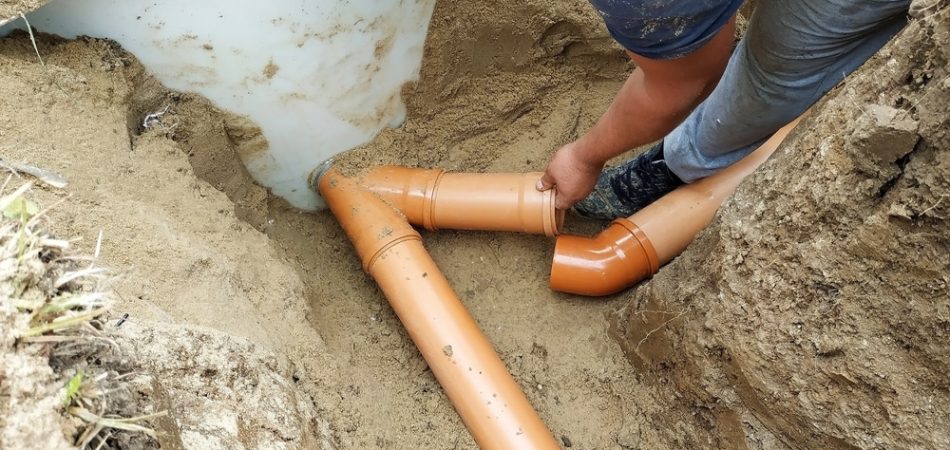
Pipe repair addresses isolated damage such as pinhole corrosion, joint failure, or a single burst section, while repiping replaces all or most of a building’s water supply lines at once. PEX (cross-linked polyethylene) is the most widely used repiping material today due to its flexibility, corrosion resistance, and lower installed cost compared to copper. Warning signs that pipes need attention include discolored water, recurring leaks, visible corrosion, and persistent drops in water pressure. A licensed plumber can evaluate whether a targeted repair or full repipe is the better long-term investment for any property.
Aging water lines are one of the most common plumbing problems in Maryville and the surrounding Blount County area. Whether your home was built decades ago with galvanized steel or you are dealing with a more recent copper pinhole leak, knowing when to repair and when to repipe can save you from costly water damage and repeated emergency calls.
At Tennessee Standard Plumbing, our team of 50+ licensed plumbing technicians handles everything from single-section pipe leak repairs to complete whole-home repipes. If your water looks rusty, your pressure keeps dropping, or your pipes are older than your roof, call us at (865) 352-9003 to schedule an inspection.

Failing water supply lines typically produce a predictable set of warning signs before a full rupture occurs. Recognizing these symptoms early allows for targeted repairs rather than emergency service calls and extensive property damage.
Ferrous oxidation inside aging steel or iron pipes produces water with a yellow, brown, or reddish tint. This discoloration is caused by the pipe wall corroding from the inside out, releasing iron oxide particles into the water stream. If the discoloration clears after running the tap briefly, the corrosion may be limited to a short section. Persistent discoloration across multiple fixtures signals widespread internal pipe degradation.
A single leak at a joint or fitting is usually a straightforward repair. When leaks reappear at different points along the same line, the underlying cause is typically systemic pipe deterioration rather than an isolated joint failure. Pitting corrosion, which creates pinhole-sized perforations in copper and galvanized lines, often starts in one area and spreads along the full run within a few years. Noticeable drops in water pressure at showers and faucets frequently accompany this pattern.
Exposed pipes in basements, crawl spaces, and utility rooms provide a direct visual indicator of pipe condition. Green patina or blue-green deposits on copper lines indicate cupric corrosion. White calcium buildup around threaded joints on galvanized steel suggests active seepage through corroded threads. Flaking or bubbling on the pipe surface means the protective oxide layer has failed, and the structural wall thickness is decreasing.
The pipe material in a plumbing system determines its expected lifespan, failure mode, and replacement options. Understanding what type of pipe is currently installed helps determine whether a repair or full repipe is the better investment.
| Pipe Material | Common Era | Primary Failure Mode | Repipe Candidate? |
|---|---|---|---|
| Galvanized Steel | 1930s–1970s | Internal rust and flow restriction | Almost always yes |
| Copper | 1960s–present | Pinhole corrosion | Depends on extent |
| PEX | 1990s–present | UV degradation (if exposed) | Rarely |
| CPVC | 1960s–present | Brittleness with age | Case by case |
| Polybutylene | 1970s–1990s (discontinued) | High failure rate | Strongly recommended |
Galvanized steel pipe is steel coated with a thin layer of zinc to resist corrosion. This material was the standard for residential water supply lines from the 1930s through the 1970s. Once the zinc coating erodes, the underlying steel corrodes rapidly, producing rust-colored water and progressive flow restriction as iron oxide scale accumulates on the interior wall. Spot repairs on galvanized lines are rarely effective long term because adjacent sections are typically in the same stage of deterioration.
Copper pipe has been a standard residential plumbing material since the 1960s and is known for its durability and resistance to bacterial growth. Copper handles both hot and cold water without degradation. The primary failure mode is pinhole corrosion, caused by electrochemical reactions between the pipe wall and dissolved minerals in the water supply. Copper is the most expensive option for repiping but also carries the longest expected service life of any common pipe material.
PEX, or cross-linked polyethylene, is the most widely used repiping material in residential plumbing today. Its flexibility allows it to be routed through walls and around framing without rigid fittings at every turn, which reduces the total number of connection points and potential leak sites. PEX also resists corrosion regardless of water chemistry and tolerates freeze-thaw cycling better than rigid pipe because the material can expand slightly without cracking. The main limitation is UV sensitivity. Any PEX section exposed to direct sunlight will degrade over time and must be shielded or sleeved.
CPVC, or chlorinated polyvinyl chloride, has been used in residential plumbing since the 1960s. It handles hot water temperatures well and has a strong track record across a wide range of climates. However, CPVC is a rigid material that can become brittle with age, and joints are more prone to cracking under mechanical stress than PEX connections. CPVC sits in the middle of the cost and performance spectrum between copper and PEX.
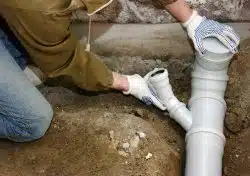
A single pipe failure does not automatically mean the entire system needs replacement. The decision between a spot repair and a full repipe depends on pipe age, material condition, and the frequency of recent failures.
Targeted pipe repair makes sense when the damage is limited to a single joint, fitting, or short section and the rest of the system is in good condition. Mechanical damage from a nail or screw driven into a wall, a frozen section that burst during a cold snap, or a single corroded fitting on an otherwise sound copper line are all good candidates for a targeted fix.
A whole-home repipe becomes the better financial decision when the system has experienced multiple leaks within a short period, when the pipe material has reached or exceeded its rated lifespan, or when leak detection reveals corrosion across multiple runs. Continuing to patch a system in widespread decline usually ends up costing more over time than replacing the entire network once.
Pipe age is not a standalone indicator, but it provides a useful baseline. Galvanized steel lines that have been in service for several decades are almost always candidates for full replacement. Older copper lines should be inspected for thinning walls and pinhole patterns. If the pipe material is polybutylene, a plastic pipe manufactured between the 1970s and mid-1990s and since discontinued due to high failure rates, a proactive repipe is strongly recommended regardless of current condition.
A residential repipe follows a structured process that begins with inspection and ends with pressure testing and cleanup. The timeline depends on the number of fixtures, pipe material selected, and how easily the existing lines can be accessed through walls, floors, and ceilings.
The process begins with a full plumbing inspection to map the existing pipe layout, identify the current material, and assess the number of supply lines and fixture connections. This inspection determines the total linear footage of pipe needed and identifies any access challenges such as slab penetrations, finished walls, or multi-story routing. The plumber then recommends a pipe material based on the building’s layout and the property owner’s priorities.
Once material and routing are confirmed, the work follows a standard sequence:
Most single-story properties with accessible pipe runs can be repiped within a few days. Multi-story buildings or properties with slab-routed plumbing may take longer. After the pipe work is complete and passes hydrostatic pressure testing, any drywall or ceiling openings are patched. Drywall repair may be handled by the plumbing team or by a separate finishing contractor depending on the scope of work.
Whether you need a single section repaired or a complete repipe from the meter to every fixture, Tennessee Standard Plumbing has the licensed technicians and equipment to get it done right. Our team serves Maryville and the surrounding Blount County area with same-day scheduling and upfront pricing. Call (865) 352-9003 or contact us online to book your pipe inspection today.
Same-day Service Available
Mon – Fri: 7:30 am – 5:00 pm