
Same-Day Service Available
00
Hrs
00
Mins
00
Secs
Need a Plumber in Knoxville? We’re Ready to Help!
Same-Day Service Available
Need a Plumber in Knoxville? We’re Ready to Help!
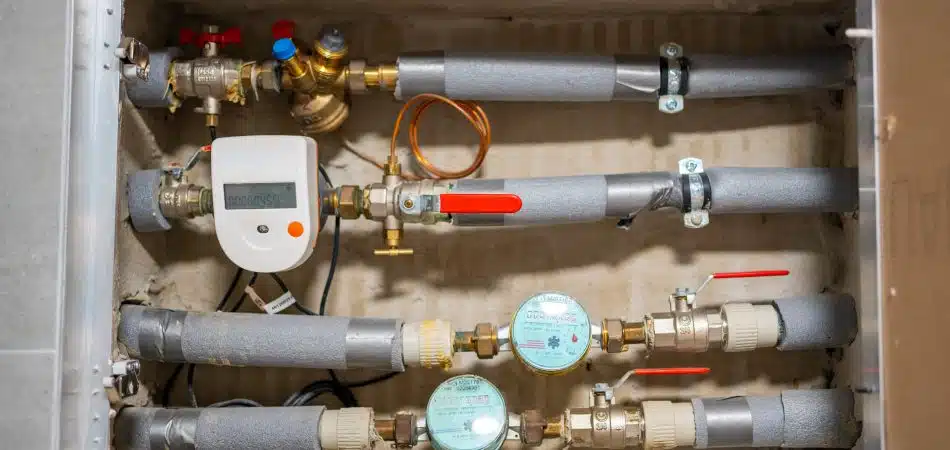
Electronic leak detection is a non-invasive method that uses acoustic sensors, ground microphones, geophones, and digital signal processing to locate hidden water leaks behind walls, under floors, and beneath concrete slabs. Industry case studies place accuracy at 90 to 99 percent when the equipment is operated by a trained technician, with the upper end of that range reached when acoustic readings are paired with thermal imaging or tracer gas.
Electronic leak detection has quietly become the standard for finding hidden water leaks in Knoxville homes, replacing decades of exploratory holes, ripped-up flooring, and educated guesses. For most homeowners, the technology shows up only when something has already gone wrong: a warm spot on the floor, a water bill that doubled overnight, or the sound of running water with every fixture shut off. The natural next question is whether the technology actually works as advertised and how confident you can be in the answer it gives.
If you have a hidden leak you suspect in your East Tennessee home, you can contact us for electronic leak detection and a clear written diagnosis before any wall or floor is opened.
The short answer on accuracy: yes, in the hands of a trained plumber using calibrated equipment, electronic leak detection finds the source of a leak within inches to a foot of its true location, with documented accuracy rates between 90 and 99 percent.
Electronic leak detection is a category of plumbing diagnostics rather than a single tool. The work combines several pieces of equipment that all measure the same basic phenomenon: water escaping a pressurized pipe makes a sound, and that sound can be amplified, filtered, and located even through several inches of concrete or drywall.
A pressurized water line under normal flow makes a quiet, even hiss. A leak in that same line produces a sharper, higher-frequency signature where water punches through the small opening into the surrounding void. Both sounds are usually too quiet for the human ear, but they sit clearly within the range of a sensitive transducer. The plumber listens for the difference and walks the signature back to its source.
The phrase covers any leak diagnostic that uses electronic sensors and signal processing rather than visual inspection or exploratory access. Ground microphones, geophones, acoustic correlators, thermal imaging cameras, and tracer gas sniffers all fall under the same umbrella. A complete detection visit usually pulls from two or three of these tools at once.
Before electronic detection became common in the 1990s and 2000s, finding a slab leak meant breaking up sections of concrete based on the homeowner’s description of where the floor felt warm. The approach was unreliable and routinely left homeowners with several open holes and one repair bill. Today’s equipment makes that approach obsolete in any home built on a slab or finished basement.
A skilled detection visit is rarely a one-tool job. Each instrument answers a different question, and the answers cross-check each other so the plumber can mark a target location with confidence.
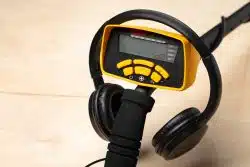 A ground microphone is a flat-bottomed acoustic sensor that picks up sound transmitted through concrete, tile, hardwood, or soil. The plumber walks the sensor in a grid pattern across the floor or yard while watching a digital display that shows signal strength. The peak reading marks the loudest point above the leak.
Geophones measure the small vibrations a leak creates rather than the airborne sound. They are most useful on outdoor surfaces and lawns where surface noise from wind, traffic, or appliances would otherwise interfere with a microphone. Geophones are common in underground water line detection work.
A correlator uses two sensors clamped at different points along the same pipe to triangulate the leak. The device measures the time delay between when the leak sound reaches each sensor and calculates the exact distance to the source. Correlators are the most precise tool in the kit when the pipe path is known and accessible at two points.
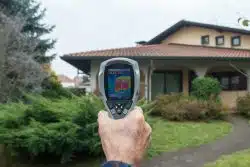
When acoustic readings are inconclusive, plumbers introduce a safe mixture of 5 percent hydrogen and 95 percent nitrogen into the line. The gas escapes through the leak and rises through the slab, where a surface sniffer detects it. Thermal imaging cameras add another layer by showing temperature differences caused by hot or cold water seeping into surrounding material. Both methods sharpen accuracy on tricky slab leak detection jobs.
Accuracy is the question every homeowner asks before approving the visit, and the honest answer involves a range rather than a single number. The figures below come from industry case studies and field data published by leak detection companies and equipment manufacturers.
Across multiple published studies, electronic leak detection performed by trained technicians finds the source of a leak correctly in 90 to 99 percent of cases. The lower end represents acoustic methods used alone in noisy or complex environments. The upper end is reached when acoustic detection is paired with at least one secondary method, such as tracer gas or thermal imaging.
The equipment is only half the equation. A trained plumber distinguishes the high-frequency hiss of a real leak from the rumble of a water heater, the click of a heating system, or the hum of a refrigerator on the other side of the wall. The same instrument in untrained hands produces a signal, but rarely a correct diagnosis.
Accuracy is highest on pressurized supply leaks in metal pipe under tile, hardwood, or thin concrete, where sound travels cleanly. It drops on drain line leaks, leaks in plastic pipe such as PEX or CPVC, and leaks in deep underground lines surrounded by saturated soil. A water leak detection visit on a copper supply line under a 4-inch slab is close to a best-case scenario.
The same equipment can produce a clean, easy diagnosis in one home and an ambiguous reading in the next. The four factors below explain most of the variance.
Copper and galvanized steel transmit sound well, which makes acoustic detection straightforward. PEX, PVC, and CPVC dampen the sound signature, so detection on these materials often requires a correlator or tracer gas as a backup. Larger diameter pipes also tend to produce a lower-pitched leak signature that requires a tuned filter to isolate.
A detection visit in a quiet home in the middle of the day is the easiest scenario. The same visit during a thunderstorm, with a window unit running and an HVAC system cycling, can introduce enough interference that the plumber may suggest rescheduling or running the visit in early morning hours.
A pipe buried 6 inches below tile is far easier to read than a pipe 4 feet underground beneath a paved driveway. Asphalt, deep soil, and saturated ground all attenuate the leak sound. In these cases, tracer gas often becomes the primary method rather than the backup.
A leak with strong pressure behind it produces a loud, clean signal. A slow weep at low system pressure can fall below the equipment’s sensitivity threshold. Plumbers sometimes temporarily raise system pressure during the test to bring a slow leak into audible range.
The accuracy numbers cited above assume the work is being done correctly. Knowing what a competent detection visit looks like is the best protection against paying for a number that turns out to be a guess in expensive packaging.
 A skilled plumber spends the first 15 to 20 minutes reviewing your symptoms, walking the property, and checking water bills before any equipment comes out. The detection itself uses two or more instruments that cross-check each other. The final marked location is verified with a second pressure test before any pipe leak repair recommendation is made.
A plumber who walks in with one device, takes a single reading, and immediately tells you where to start cutting is skipping steps. Quotes that omit a written diagnosis, quotes that bundle detection into a discounted repair before location is confirmed, and refusal to show you the equipment readings are all signs to get a second opinion.
Ask which instruments will be used and why. Ask whether the diagnosis will be confirmed by a second method. Ask whether the written report includes the marked location, the depth estimate, and the suspected cause. A licensed plumber will answer all three without hesitation.
Electronic leak detection is a small investment compared to the damage a missed or misdiagnosed leak can cause to a home’s foundation, framing, and finished surfaces. The 175 to 600 dollars a typical detection visit costs is often less than the cost of exploratory demolition required by older methods.
If you suspect a hidden leak in your home, call Tennessee Standard Plumbing today. Our licensed technicians serve Knoxville, Maryville, Oak Ridge, Lenoir City, Clinton, and the surrounding East Tennessee communities with full electronic leak detection backed by written diagnostics. Schedule a visit online or call (865) 352-9003 for same-day service.
Published case studies and field data place accuracy at 90 to 99 percent when the equipment is operated by a trained technician. Accuracy reaches the upper end of that range when acoustic detection is paired with a secondary method like thermal imaging or tracer gas, and when the pipe material, depth, and surrounding conditions support a clean sound signature.
A standard residential electronic leak detection visit takes 1 to 3 hours. Simple acoustic detection of a slab supply line is often complete within an hour, while detection on plastic pipe, deep underground lines, or complex manifold systems can take longer because additional methods are usually needed.
Electronic leak detection typically costs 175 to 600 dollars, depending on home size, pipe material, accessibility, and how many methods are needed. Simple jobs can run as low as 75 to 150 dollars, while complex underground or multi-method jobs can reach 1,000 dollars or more.
Yes, but the accuracy on plastic pipe is lower than on metal pipe because PEX and PVC dampen the acoustic signature. Detection on plastic supply lines usually combines acoustic listening with an acoustic correlator or tracer gas rather than relying on a single ground microphone.
Yes. Geophones, acoustic correlators, and tracer gas are all standard tools for outdoor and underground leak detection. Detection of deep-buried lines or lines under asphalt is harder than indoor work, and tracer gas is often the primary method rather than the backup.
For any leak suspected behind a wall, under a slab, or in an underground line, yes. The alternative is exploratory demolition, which routinely costs more in repair and restoration than the detection visit itself. A documented detection report also supports insurance claims when sudden water damage is involved.
Same-day Service Available
Mon – Fri: 7:30 am – 5:00 pm