
Same-Day Service Available
00
Hrs
00
Mins
00
Secs
Need a Plumber in Knoxville? We’re Ready to Help!
Same-Day Service Available
Need a Plumber in Knoxville? We’re Ready to Help!
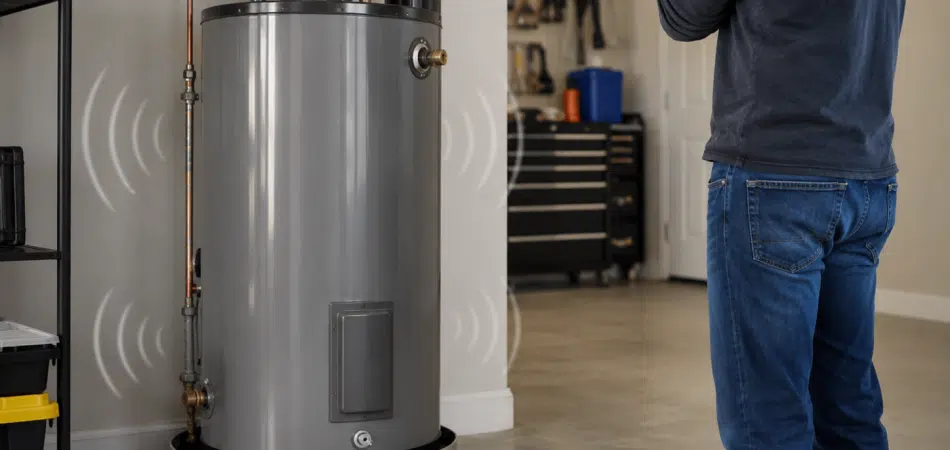
If you have started hearing popping or rumbling sounds coming from your water heater, you are not alone. This is one of the most common concerns homeowners share with their plumber in Maryville, and it often catches people off guard during quiet mornings or late evenings when the house is still.
At Tennessee Standard Plumbing, we hear from homeowners across the Greater Knoxville area who want to understand what these sounds mean and whether their water heater needs attention.
The good news is that a popping water heater does not always point to a serious problem. Understanding what causes these sounds can help you make informed decisions about your home’s hot water system and determine when it might be time to call a professional for a closer look.
The most common reason a water heater produces popping sounds is related to sediment that collects inside the tank over time. As water flows into your tank, it carries dissolved minerals that gradually settle along the bottom. When the heating element activates, water trapped beneath this sediment layer heats up and creates steam bubbles.
As those bubbles rise and push through the layer of mineral buildup above them, they produce the popping or crackling sounds that many homeowners describe.
This is a natural occurrence that happens in most tank-style water heaters, particularly in regions where the local water supply carries higher levels of dissolved minerals. The sounds themselves are the result of a physical process involving heat, water, and mineral deposits all interacting inside the tank.
Water naturally contains a variety of dissolved minerals as it travels from its source to your home. These minerals are a normal part of your water supply, but once inside a water heater tank, they behave differently. As water is heated repeatedly, some of these minerals come out of solution and settle as sediment.
The composition of these minerals varies depending on the source of your water, and some water supplies carry higher mineral concentrations than others. Over time, this ongoing process of mineral separation creates the sediment layer that leads to the popping sounds so many homeowners notice.
In many homes, this process begins quietly and grows more noticeable over time. What might start as an occasional light pop can eventually become a more persistent sound as the sediment layer thickens. The change tends to be gradual, which is why many homeowners do not realize how long the sounds have been building before they become truly apparent.
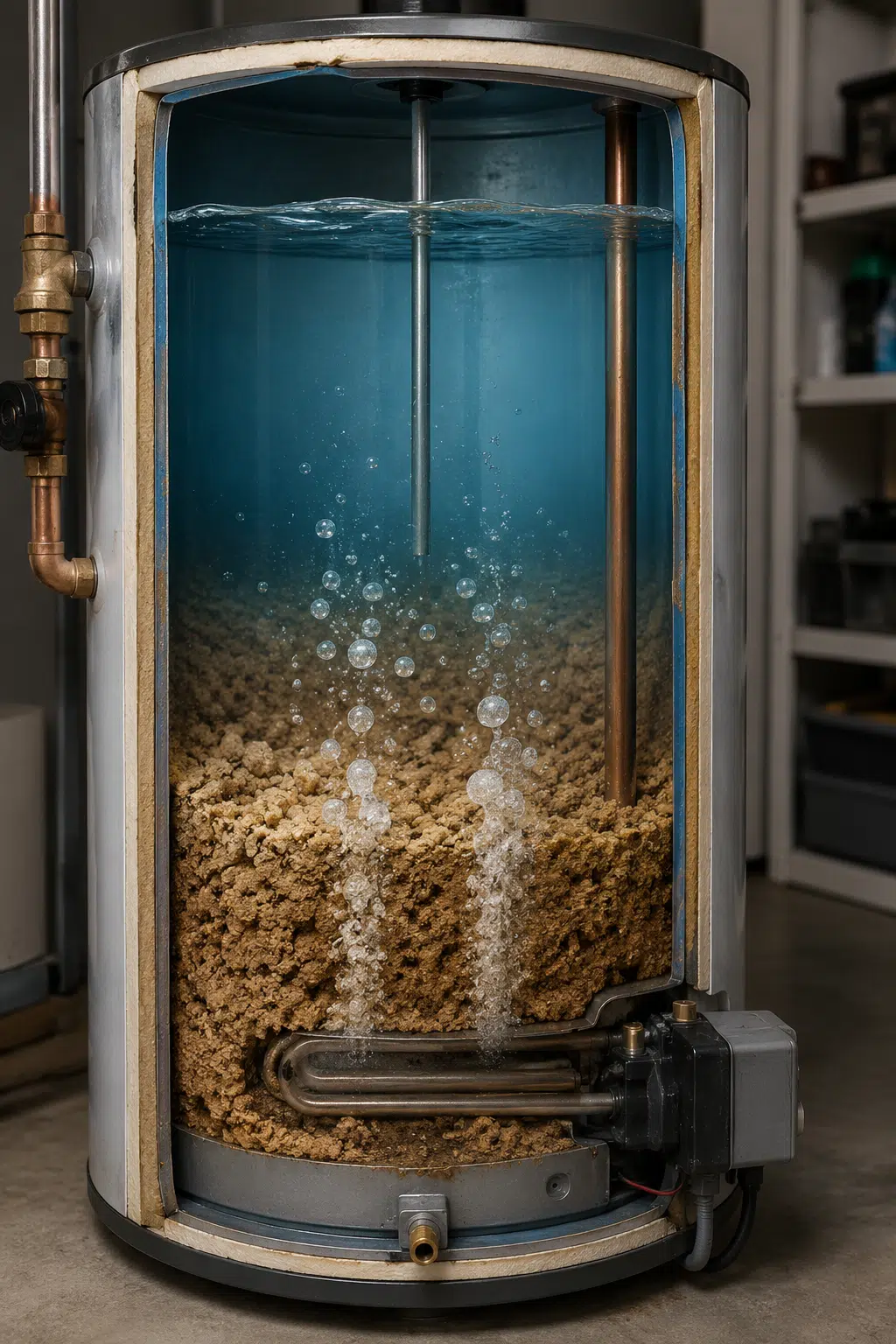 Mineral deposits tend to accumulate gradually, and homeowners may not notice any changes right away. Over time, however, these deposits can form a thicker layer at the bottom of the tank.
As this layer grows, your water heater may need to work harder to heat water effectively, and the popping sounds may become louder or more frequent as a result.
Sediment buildup can also affect the overall performance of your hot water system. You might notice that your water does not feel as warm as it once did, or that the unit seems to run for longer periods than usual before reaching the desired temperature.
These are general signs that the sediment layer may be interfering with how your water heater transfers heat to the water above it.
Over time, mineral deposits can also contribute to gradual wear on the interior surfaces of the tank. While this does not happen quickly, a prolonged buildup without professional attention can place unnecessary strain on your water heater and potentially shorten its overall working life. Recognizing these effects early allows homeowners to seek professional guidance before minor sediment concerns develop into larger problems.
While sediment is the most common cause of popping sounds, there are other general reasons your water heater might produce unexpected noises. Temperature fluctuations within the tank can sometimes create expansion and contraction of the metal components, which may result in ticking or tapping sounds that are separate from the popping associated with sediment.
Water pressure changes throughout your plumbing system can also contribute to unusual sounds near your water heater. When pressure levels shift within the pipes and connected fittings, the tank and surrounding components may react in ways that produce vibrations or a low humming sound.
If your water heater is an older unit, general wear on internal components can sometimes lead to sounds that were not present when the system was newer. These changes happen gradually over the life of the unit and can vary depending on the age, condition, and type of water heater installed in your home. Regardless of the specific cause, any new or worsening sound from your water heater is worth mentioning to a licensed plumber during your next service visit.
Not every sound your water heater makes is a reason for concern, but there are situations where the noises may suggest that something needs a closer look from a qualified professional. If the popping sounds have become noticeably louder over time, or if they are accompanied by other changes like reduced hot water availability or water that appears discolored when it first comes out of the tap, it may be time to have your unit evaluated.
Beyond the sounds themselves, there are subtle changes in your hot water that can provide additional context. If you notice that hot water runs out more quickly than it used to, or that the water takes longer to reach a comfortable temperature at the faucet, these patterns can sometimes be connected to the same sediment accumulation that produces popping sounds. Paying attention to these changes and sharing them with your plumber can help them understand the full picture when they evaluate your water heater.
Rumbling or banging sounds, as opposed to lighter popping or crackling, can sometimes indicate a more advanced level of sediment accumulation. These heavier sounds suggest that the buildup has become thick enough to create more intense steam activity beneath the sediment layer, which places greater stress on the tank during each heating cycle.
If you notice water pooling around the base of your water heater or detect any unusual odors near the unit, these are additional signs that a professional visit is in order. While these issues may not always be directly connected to the popping sounds themselves, they can indicate other conditions within the water heater that a trained and licensed technician is best equipped to identify and address.
Water heaters involve a combination of plumbing connections and either electrical or gas components, depending on the type of unit installed in your home. Because of the complexity involved, having a licensed professional assess your water heater is the safest and most reliable approach when something does not seem right.
A professional can determine whether the sounds you are hearing are related to normal sediment activity or whether they point to a condition that requires attention. They can also evaluate the overall state of your water heater and guide on maintaining your unit, so it continues to function well for as long as possible.
Attempting to diagnose or address water heater concerns without the proper training and tools can lead to unintended damage or create safety risks within your home. A qualified plumber brings the experience needed to handle these situations safely and can offer recommendations that are tailored to your home’s specific plumbing setup and hot water demands.
If your water heater has been making popping or rumbling sounds and you want answers from a team you can trust, Tennessee Standard Plumbing is ready to help. Our licensed plumbers serve homeowners throughout Maryville and the Greater Knoxville area, and we are committed to providing honest assessments and dependable service for every call.
Call us today at (865) 352-9003 to speak with a member of our team, or schedule your appointment online at a time that works best for you. You can also visit our Maryville plumbing team to get directions and learn more about the areas we serve.
The most common reason is sediment buildup inside the tank. Over time, minerals from the water settle at the bottom of the tank. As the burner or heating element heats the water beneath the sediment, trapped steam bubbles escape, creating popping or rumbling sounds.
Not always. In many cases, a popping noise is caused by sediment and isn’t an immediate safety concern. However, if the noise becomes louder, is accompanied by leaking, inconsistent hot water, or unusual odors, the water heater should be inspected promptly to prevent further damage.
In many cases, yes. Flushing the tank removes accumulated sediment that causes popping and rumbling sounds. Regular maintenance also helps improve energy efficiency and extends the life of the water heater.
Most homeowners should flush their tank-style water heater about once a year. Homes with hard water may benefit from more frequent flushing because mineral deposits accumulate more quickly. Regular maintenance helps prevent sediment buildup and keeps the system operating efficiently.
Yes. Hard water contains higher levels of minerals such as calcium and magnesium. These minerals settle inside the tank over time, creating the sediment layer responsible for popping, rumbling, and crackling noises during heating.
You should contact a plumber if the popping noise continues after flushing the tank, becomes significantly louder, or is accompanied by leaks, rusty water, fluctuating water temperatures, or reduced hot water supply. A professional can determine whether the issue is sediment buildup, a failing component, or if the water heater is nearing the end of its service life.
Same-day Service Available
Mon – Fri: 7:30 am – 5:00 pm