
Same-Day Service Available
00
Hrs
00
Mins
00
Secs
Need a Plumber in Knoxville? We’re Ready to Help!
Same-Day Service Available
Need a Plumber in Knoxville? We’re Ready to Help!
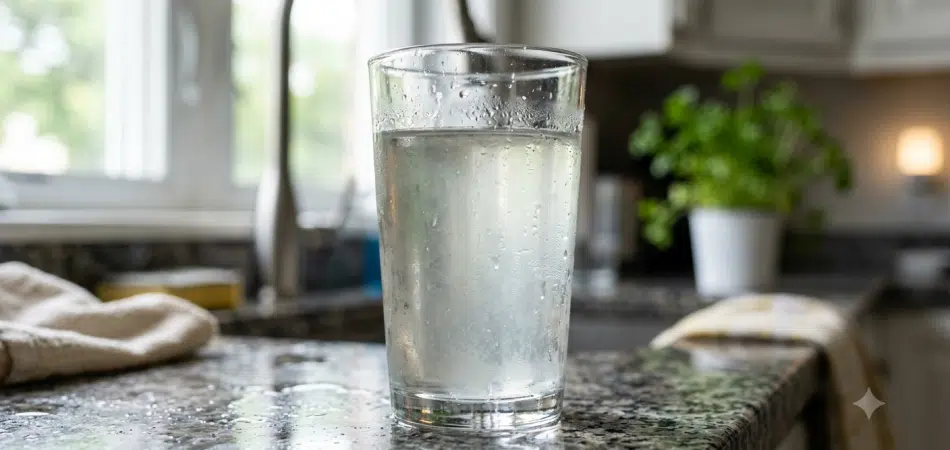
Many homeowners give little thought to their tap water until something about it feels different. A change in taste, a cloudy glass, or a faint smell can raise questions that are easy to notice yet harder to explain without some help. Recognizing when those small observations are worth a closer look is part of general household awareness rather than a specialized skill anyone is expected to have. Tennessee Standard Plumbing provides plumbing services in Maryville that go beyond routine repairs, and this page looks at water quality from a general, educational angle rather than a hands-on walkthrough of any particular testing method.
This article looks at the kinds of signs that often lead homeowners to think about water quality, the general categories of information that testing can address, and the difference between noticing something at home and getting a professional opinion. The aim here is not to outline a specific testing method or process, but to help homeowners recognize when a closer look might make sense and why a professional perspective tends to offer more dependable answers than guesswork alone. The team at Tennessee Standard Plumbing would rather homeowners feel generally informed than left guessing about what is happening inside their own home.
Water quality questions usually begin with something a homeowner notices during everyday use rather than a formal inspection. Paying attention to these small patterns is simply a matter of general awareness, and noticing them does not require any special training or background.
A shift in taste or smell is one of the more common triggers, especially when water that once seemed unremarkable suddenly tastes metallic, bitter, or slightly off. Some homeowners notice a change in clarity as well, such as water that looks faintly cloudy or carries a slight tint when collected in a clear glass and viewed in good light. These are sensory observations rather than confirmed findings, but they are often what prompts someone to start asking questions in the first place.
Other signs show up around the house rather than in the glass itself. Spots or a filmy residue on dishes, shower doors, or fixtures can point toward mineral content in the water supply. Soap that seems slow to lather, laundry that feels stiff after washing, or skin and hair that feel different after a shower are the kinds of everyday observations that make people curious about what is happening behind the scenes in their plumbing. Homeowners sometimes also notice buildup inside appliances that use water regularly.
None of these signs confirm a specific issue on their own, and they should be treated as general clues rather than proof of any particular concern. Noticing a pattern like this is a normal part of paying attention to a home, and it often leads homeowners toward a more informed conversation about whether a closer look makes sense for their situation.
Water testing, in general terms, is designed to look at categories of information that are not always obvious from taste, smell, or appearance alone. Rather than describing a specific method or process, it helps to think about testing in terms of the broad categories of information it can address.
 One broad category involves mineral content, often described in terms of water hardness. This relates to the type of buildup that can show up over time on fixtures, in appliances, or inside pipes, and it can influence how soap and detergent perform around the home. Homeowners often connect this category to some of the everyday signs described earlier, though testing addresses it in a more complete way than observation alone.
Another category involves clarity and particulates, meaning whether sediment, rust, or other material is present in the water supply. This differs from a simple visual check, since some particulates are far too small to notice with the eye alone, even when water looks clear in a glass. This category speaks to what is physically present in the water rather than how it tastes or smells.
Testing can also speak to general chemical balance, such as how acidic or basic water tends to be. This kind of balance can influence both taste and how water interacts with plumbing materials over time, though it is rarely something a homeowner can judge through observation alone.
Finally, testing can address broader biological or contaminant related questions, offering a more complete picture of what might be present beyond what a homeowner could reasonably observe. This category tends to be the least visible of all, since it has little to do with taste, smell, or appearance, and it is often the reason a general observation turns into a more serious question.
None of these categories are things a homeowner can reliably judge through the senses alone. They represent the kind of general information that testing is meant to address, not a specific diagnosis or a guaranteed outcome for any individual home.
 There is a real difference between noticing something at home and confirming what it actually means. At-home awareness is valuable, and it is often what prompts a homeowner to ask questions in the first place. Paying attention to taste, smell, or appearance is a reasonable habit for anyone who wants to stay generally informed about their household water.
However, general awareness has limits. A homeowner might notice cloudiness or a change in taste without being able to say what is causing it, or whether it reflects a passing condition rather than something more consistent. Visual or sensory observation can raise a reasonable question, but it cannot confirm what is actually present in the water or rule out other possibilities on its own.
Professional testing exists to help close that gap. Rather than relying on assumptions based on how water looks, smells, or tastes, a professional evaluation is built around a more structured look at the water itself. This does not make at-home awareness unnecessary. It simply means that awareness and confirmation serve different purposes, and understanding that difference helps homeowners set realistic expectations about what they can determine on their own versus what calls for outside input.
Guesswork based on appearance alone can be misleading in either direction. Some homes have water that looks and tastes unremarkable while still raising general questions worth exploring, while other homes may show visible signs that turn out to be minor or unrelated to any larger concern. Relying on assumptions leaves a homeowner without a dependable answer either way.
A professional approach removes much of that uncertainty. Rather than reacting to a single sign in isolation, a professional evaluation looks at water quality in a more complete and consistent way, which tends to produce answers that are more dependable than a guess based on taste or appearance alone. This kind of consistency is difficult to replicate through casual observation, no matter how attentive a homeowner might be.
For homeowners who have noticed any of the general signs described above, reaching out to a knowledgeable plumbing team is a reasonable next move. Getting a professional perspective replaces uncertainty with a more informed understanding of what is actually happening with a home’s water, which is something guesswork alone cannot really offer.
If recent changes in taste, smell, or appearance have you thinking more about your home’s water, our Maryville plumbing team is glad to help you get a clearer picture. You can call (865) 352-9003 or schedule a visit online to start the conversation. A more informed understanding of your water begins with the right professional perspective, and our team is ready to provide it.
Common signs include a metallic, bitter, or otherwise “off” taste; cloudy or discolored water; spots or filmy residue on dishes and fixtures; soap that won’t lather well; and stiff laundry or dry skin after showering. None of these confirm a specific problem on their own, but they’re worth a closer look.
Not reliably. Taste, smell, and appearance can raise a reasonable question, but they can’t confirm what’s actually in your water or rule out other causes. Some contaminants and particulates are too small to notice by sight alone, even in a clear glass.
Testing generally looks at four broad categories: mineral content and hardness, clarity and particulates (like sediment or rust), general chemical balance (such as acidity), and biological or contaminant-related concerns.
Water hardness refers to mineral content in your supply. It’s often linked to buildup on fixtures and inside appliances, as well as how well soap and detergent perform around the house.
Some sediment, rust, or other material is too fine to see with the naked eye, even when water looks clear in a glass. That’s why clarity testing goes beyond a simple visual check.
Noticing something — like a taste or clarity change — is general household awareness. Professional testing is a more structured evaluation that can confirm what’s actually happening, rather than leaving you to guess based on senses alone.
Guesswork can go wrong in either direction: water that seems fine may still have underlying concerns, while visible issues can turn out to be minor. A professional evaluation offers more consistent, dependable answers than observation alone.
Tennessee Standard Plumbing offers professional water quality testing for Maryville homeowners. You can call (865) 352-9003 or schedule a visit online to discuss any changes you’ve noticed in your water.
Same-day Service Available
Mon – Fri: 7:30 am – 5:00 pm