
Smart Leak Detectors and Water Sensors for Knoxville Homes
Smart leak detectors and water sensors protect Knoxville homes from seasonal pipe freezes, water heater failures, and sudden burst lines that cause... Read More

Same-Day Service Available
Need a Plumber in Knoxville? We’re Ready to Help!




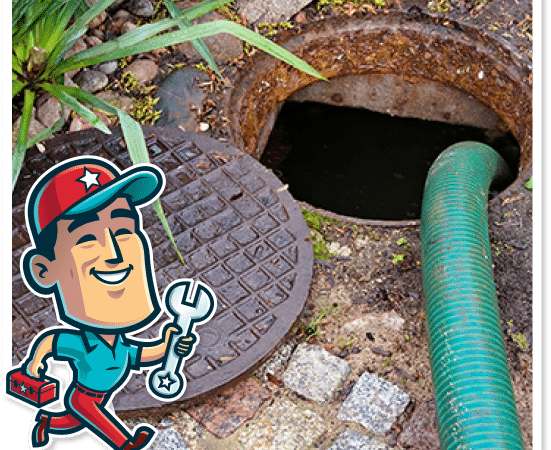
A sewer line can often be replaced with far less digging than a traditional trench, but a job with no digging at all is uncommon. Trenchless methods such as pipe bursting and cured-in-place pipe lining work through small access openings, usually near the house and near the connection to the public sewer. Lines that have collapsed, sagged, or lost their slope may still need excavation at the damaged section. In Tennessee, any excavation, including a trenchless access pit, requires a Tennessee 811 locate ticket before digging begins.
A sewer line that needs replacing rarely keeps quiet about it. Repeat backups, a soggy strip of lawn, or camera footage of a cracked and root-filled pipe usually start the conversation. The next question most homeowners ask is what the yard, the driveway, and the old oak by the curb will look like afterward, and it is one that plumbers in Knoxville hear often, because the answer shapes the cost, the schedule, and the cleanup.
Tennessee Standard Plumbing handles underground sewer line replacement across Knoxville and Knox County, including trenchless pipe bursting and cured-in-place pipe lining where site conditions allow. According to the company, it holds a 5.0 Google rating across more than 2,000 reviews and HomeAdvisor Elite Service recognition. This guide walks through how much digging trenchless work still involves, when it is not an option, and what the property goes through either way.
Households weighing a water heater replacement this fall have one more thing to consider. Tennessee Standard Plumbing offers $250 off qualifying residential heat pump water heater installations. This offer runs through the end of October. TVA EnergyRight also runs its own incentives on qualifying hybrid electric water heaters, with terms, participating locations, and eligibility set by TVA, so households should confirm with TVA whether a specific purchase qualifies.
*EXCLUSIONS APPLY, CALL FOR DETAILS*
This offer cannot be combined with any other offer, discount, or promotion.
Trenchless sewer replacement shrinks excavation from a trench along the full length of the pipe to a few small openings. Most projects still need at least one access point, and pipe bursting generally needs one at each end of the run. The lawn, driveway and plantings between those openings usually stay in place.
Pipe bursting pulls a cone-shaped bursting head through the old pipe, fracturing it outward while new pipe follows directly behind. That setup generally calls for a launch pit where the new pipe enters and a receiving pit where the equipment comes out. The size of each pit depends on the equipment and on how deep the line runs, so the footprint varies from job to job.
Cured-in-place pipe lining, usually shortened to CIPP, inserts a resin-saturated liner into the existing pipe and cures it there, forming a new pipe inside the old one. The method is described in ASTM F1216, the standard practice for rehabilitating pipelines by inverting and curing a resin-impregnated tube. Because the liner travels inside the pipe, some residential lines can be lined through an existing cleanout with little or no new excavation.
The mechanics of both methods, and how their trade-offs play out on older lines, are covered in more depth in this look at how lining and bursting compare.
The far end of a residential sewer lateral ties into the public main, often near or under the street. Work at that connection can need an opening of its own, and where it sits in the public right of way, the serving utility’s rules come into play. Whether that end needs digging depends on the method, the depth, and where the connection is located.
Trenchless methods rely on the existing pipe as a path, so anything that breaks or distorts that path can rule them out. Collapsed sections, sags that hold water, and badly separated joints are among the conditions that can require at least partial excavation. A camera inspection generally shows which of these conditions is present and where.
A liner needs an open pipe to travel through, and a bursting head needs a continuous path to follow. When a section has collapsed, the usual approach is to excavate at that spot, repair the damaged piece, and then decide whether the rest of the line suits trenchless work. The same applies to pipe that has been crushed by settling soil or heavy loads above it.
A belly is a low section where the pipe has settled and wastewater pools instead of draining. Lining forms a new pipe inside the old one, so it generally keeps the existing profile, belly included, and pipe bursting also largely follows the old alignment. Correcting the slope usually means digging at the sag so the pipe can be re-bedded at the right grade.
Joints that have shifted far out of line, or sections where the pipe has deteriorated away entirely, can stop a liner or a bursting head from passing. Older lines around Knoxville may be clay tile, cast iron or Orangeburg pipe, and each fails in its own way. Both the material and the extent of the damage factor into whether a trenchless approach stays on the table.
Lines with several branch connections, tight bends or a change in pipe diameter along the run can complicate trenchless work. Branches joining the main run have to be reconnected once the new pipe is in, and some of those connections need access of their own. Details like these rarely show from the yard and usually become clear on camera.
On a trenchless sewer job, visible disruption is usually limited to the access openings, the equipment area and any spot repairs. Driveways, walkways, patios and established trees between those points can often stay untouched. Before any opening is dug in Tennessee, state law requires a utility locate through Tennessee 811.
Many sewer laterals run under a driveway, front walk or patio on their way to the street. Open trench replacement means cutting out and replacing whatever concrete or asphalt sits over the line. Trenchless work can often pass underneath, which is a large part of its appeal where hardscape covers the route.
Mature trees and sewer lines share the same ground, and roots are often part of the damage in the first place. A trench cut through a root zone can injure the tree, sometimes badly. Keeping excavation to a few access points reduces how many roots get cut, although the tree’s roots will still be growing near the new line.
Each opening is backfilled and compacted once the work is finished. Turf, mulch beds, or pavers at those spots may need replacing or reseeding, and the soil can settle over the following weeks. The restoration scope, including who handles it, belongs in the written estimate.
Tennessee’s Underground Utility Damage Prevention Act requires anyone excavating to obtain a locate ticket from Tennessee 811 before digging. For standard excavation requests, that means contacting 811 at least three, but not more than ten—working days before digging. That requirement covers trenchless access pits as well as full trenches. However, qualifying emergency situations involving the repair or restoration of service are handled differently, with utilities required to locate lines within two hours. Utility operators then mark their buried gas, electric, water, and communications lines in the work area.
The choice between trenchless and open trench replacement comes down to what a camera inspection shows, what sits above the line, and what the local codes office requires. Trenchless methods suit structurally sound, reasonably straight lines with good access. Open trench suits lines that have collapsed, lost their slope or need rerouting.
A sewer camera inspection records the pipe’s material, joint condition, roots, sags and breaks, along with distances that help locate each defect from the surface. That footage is what separates a trenchless candidate from a line that needs digging. Homeowners comparing bids can reasonably ask to see it.
Permit and inspection rules depend on where the property sits. Work inside Knoxville city limits falls under City of Knoxville Plans Review and Inspections.
Work in unincorporated Knox County falls under Knox County Codes Administration, and cities such as Maryville, Alcoa and Oak Ridge have their own codes offices. The applicable office can confirm whether a permit is needed and who pulls it.
Two bids for the same line can describe very different jobs. A useful written scope states the method, the length of pipe being replaced, the number and location of access openings, how the public sewer connection is handled, who pulls the permit, and what restoration is included. Comparing those items line by line says more than comparing the totals.
The table below summarizes how the three approaches generally differ. Suitability for any specific line depends on its condition and layout.
Our team at Tennessee Standard Plumbing handles sewer line repair and replacement across Knoxville, Knox County and the surrounding East Tennessee communities, including trenchless pipe bursting and cured-in-place lining where the line and the site allow it. The honest answer to the no-dig question depends on the pipe, and we are glad to walk any homeowner through what their footage shows.
A few points carry through everything above. Trenchless replacement cuts digging down to access openings, though most jobs still involve some. Collapsed sections, sags and lost slope can still call for excavation at the problem spot. Tennessee 811 needs to be contacted before any opening is dug. The camera inspection, together with the local codes office, determines what a specific line needs.
Homeowners who want their sewer line evaluated can reach our team at (865) 352-9003 or schedule your service online. We serve Knoxville, Maryville, Oak Ridge, Farragut, Powell, and communities across Knox County and East Tennessee. Peaceful Pipes, Peaceful Life.
Usually not entirely. Trenchless methods work through a few small access openings instead of a full-length trench, and pipe bursting generally needs an opening at each end. Some lining jobs can use an existing cleanout, which keeps new excavation to a minimum.
Trenchless methods depend on the existing pipe as a path, so they generally cannot correct sags or lost slope, and collapsed sections usually need to be dug up first. Lining also reduces the pipe’s inside diameter slightly. Not every line is a candidate, and a camera inspection shows whether a particular one is.
It varies by project. Length, depth, access, pipe material, the replacement method, the public sewer connection, permits and restoration all move the price. A written scope that itemizes those pieces is the reliable way to compare estimates.
It may, and the answer depends on the property’s location. Properties inside Knoxville city limits fall under City of Knoxville Plans Review and Inspections, while unincorporated Knox County falls under Knox County Codes Administration. Other cities have their own offices, so the applicable codes office is the place to confirm.
Yes, whenever excavation is involved. Tennessee’s Underground Utility Damage Prevention Act requires a Tennessee 811 locate ticket at least three, but not more than ten, working days before excavation begins. Trenchless access pits count as excavation.
Generally not on its own. Lining follows the existing pipe profile and pipe bursting largely follows the old alignment, so a sag usually carries into the new pipe. Correcting the slope typically means excavating at the low spot and re-bedding the pipe.
Disturbance is usually limited to the access openings and the work area around them. Those spots are backfilled afterward, and turf or plantings there may need reseeding or replacement. The written estimate should state what restoration is included.
Permit rules for homeowner work vary by jurisdiction, and some code offices issue homeowner permits under specific conditions. Sewer replacement also involves excavation law, utility locates, the public sewer connection and inspections. The applicable codes office can explain what a homeowner is allowed to do at a given address.
It depends on the policy and on what caused the damage. The Insurance Information Institute notes that homeowners are generally responsible for the sewer lateral between the house and the public main. Whether a specific repair is covered comes down to the policy terms, so the insurer is the place to confirm.
It varies with the method, the length and depth of the line, access, permits and the waiting period for utility locates. Trenchless jobs often move faster than open trench because there is less excavation and restoration. A written schedule from the contractor is the reliable figure for a specific line.


Smart leak detectors and water sensors protect Knoxville homes from seasonal pipe freezes, water heater failures, and sudden burst lines that cause... Read More
Walk-in showers for aging in place in Knoxville, TN, prioritize safety by removing tripping hazards, incorporating slip-resistant materials, and in... Read More
The federal Section 25C tax credit (30%, up to $2,000) for heat pump water heaters expired December 31, 2025, following the passage of HR1 — though... Read More