
How to Quickly Unclog a Shower Drain: Easy DIY Methods
To quickly unclog a shower drain, first, clear the visible hair and debris then pour boiling water down the drain to loosen the clog, then try pour... Read More

Same-Day Service Available
Need a Plumber in Knoxville? We’re Ready to Help!




Key Takeaways
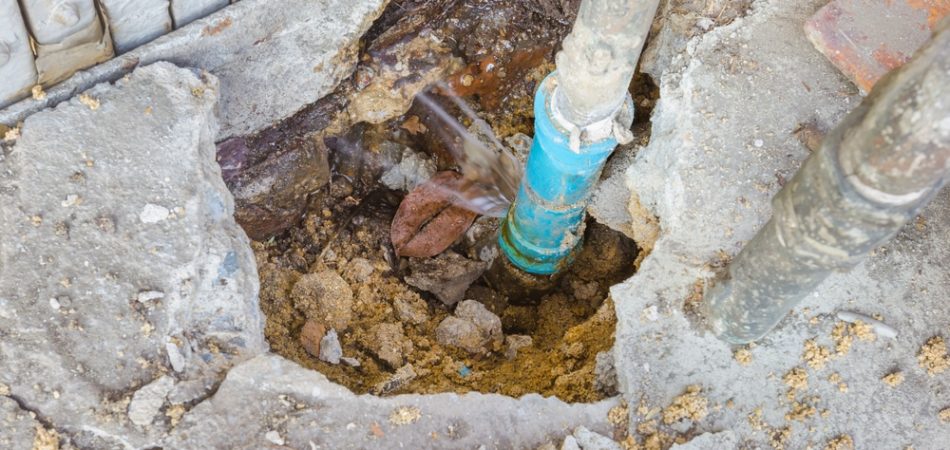
Commercial sewer line repair in Knoxville involves the same pipe problems homeowners face, with more people, schedules and rules attached. The building sewer is generally the property owner’s responsibility up to the public main, subject to the serving utility’s rules and the lease. Repairs are usually planned around tenant hours, restroom and kitchen access, permits and, for restaurants, grease control requirements. A camera inspection is the usual starting point for scoping the work.
On This Page
A sewer problem in a commercial building rarely stays a plumbing problem for long. When the restrooms in a strip center back up on a Friday afternoon, the property manager ends up fielding tenant calls, customer complaints and questions about who pays, often before anyone knows where the line failed. The repair itself is only one piece of what needs managing.
Tennessee Standard Plumbing works with property managers, condo associations, restaurant managers, offices and apartment complexes across Knoxville and Knox County on commercial underground plumbing, sewer lines and drains. According to the company, it carries a 5.0 Google rating with more than 2,000 reviews. The sections below cover responsibility, scheduling around tenants, grease rules for food service spaces, and what to budget for and document.
Property managers who also oversee single-family rentals may find this month’s promotion useful. Tennessee Standard Plumbing offers $250 off qualifying residential heat pump water heater installations. This offer runs through the end of October. TVA EnergyRight also runs its own incentives on qualifying hybrid electric water heaters, with terms, participating locations and eligibility set by TVA, so households should confirm with TVA whether a specific purchase qualifies.
*EXCLUSIONS APPLY, CALL FOR DETAILS
This offer cannot be combined with any other offer, discount, or promotion.
The pipe that carries wastewater from a commercial building to the public sewer, often called the building sewer or lateral, is generally the property owner’s responsibility, subject to the serving utility’s rules. The public main belongs to the utility. Leases then decide how owners and tenants split the day-to-day duties and costs.
The building sewer runs from the building’s plumbing out to the utility’s main, often under a parking lot or drive aisle. The Insurance Information Institute notes that homeowners are generally responsible for their sewer lateral up to the main, including any part that extends into the street or public right-of-way. Commercial properties are generally treated in a similar way, although the serving utility’s rules decide exactly where the owner’s section ends.
The Knoxville Utilities Board provides wastewater service in Knoxville and parts of seven surrounding counties, and the City of Knoxville notes that property owners in the county obtain service from the utility district serving their area. Portfolios that span the city and the county can deal with more than one set of rules, so confirming the serving utility for each address comes first.
Commercial leases can assign drain maintenance, grease interceptor service or repair costs to tenants while leaving structural repairs with the owner. The wording varies widely from lease to lease. Reading the plumbing and repair clauses before a failure makes the conversation with tenants far easier when one happens.
A commercial sewer repair is usually scheduled around the building’s occupants as much as around the pipe. Restrooms, kitchens and floor drains may need to come out of service, parking areas may be blocked, and some work fits better after hours or on weekends. Written tenant notice and a clear timeline reduce complaints and lost business.
Most sewer work means some fixtures cannot drain while the line is open. Depending on where the damage sits, that may be one tenant’s restrooms or the entire building. Knowing which fixtures tie into which section of pipe, often from camera footage and any as-built drawings, lets the manager tell each tenant what to expect.
Retail and restaurant spaces usually prefer early mornings, overnight windows, or closed days, while offices may favor weekends. After-hours work can change labor cost, so the schedule and the price are best discussed together. Contractors that handle commercial underground plumbing can generally explain what a given repair method means for access and downtime.
Tenants appreciate written notice that lists the dates, the affected fixtures and a contact for questions. Excavation or equipment in a parking lot calls for barricades and signage. It can also block accessible parking spaces or entrances, so temporary accessible routes are worth planning ahead of time.
Longer shutdowns sometimes call for portable restrooms or temporary bypass arrangements so a building can stay open. Whether that makes sense depends on how long the outage lasts and how the space is used. Deciding in advance avoids scrambling for rentals once the line is already open.
Buildings with food service tenants carry an added sewer risk from fats, oils and grease, which cool and harden inside the line. In its service area, the Knoxville Utilities Board runs a Grease Control Program that requires food service facilities to apply for a permit. Grease history belongs in any restaurant-related sewer diagnosis.
Grease buildup can narrow a line until it behaves like a structural failure, with slow drains and repeated backups. A camera inspection after cleaning helps separate a grease problem from a cracked or sagging pipe. The two call for very different spending, so telling them apart early protects the budget.
KUB’s Grease Control Program asks food service facilities to submit a permit application, and new or renovated facilities are required to install and maintain grease control equipment. Details such as sizing, pumping and records are set by KUB, so current requirements come directly from the program. Properties outside KUB’s area follow their own utility’s rules.
A sewer repair downstream of a poorly maintained grease interceptor can see the same problem return. Pumping records and interceptor condition are worth reviewing alongside the pipe itself, and this breakdown of grease interceptor sizing and pumping schedules covers what KUB looks for in more detail.
Restaurant leases may assign interceptor pumping to the tenant. Managers who confirm that pumping is happening, and who keep copies of the records, are in a stronger position if a backup turns into a dispute. Bringing in Knoxville plumbers who work on commercial systems keeps the line diagnosis separate from the tenant’s own grease vendor.
Commercial sewer repair costs depend on the length and depth of the line, what sits above it, the repair method, permits, after-hours scheduling and pavement restoration. Documentation matters as much as the repair itself. Camera footage, permits, inspection records and warranty terms help with insurers, future buyers and the next problem.
Parking lots, loading docks and building slabs over the line raise excavation and restoration costs, which is where trenchless methods sometimes earn their place. Deeper lines, larger diameters and multiple tie-ins add work. A written scope that itemizes these factors makes bids comparable, and the same discipline applies to other commercial plumbing repairs on the property.
Commercial work inside Knoxville city limits falls under City of Knoxville Plans Review and Inspections. Confirming who pulls the permit belongs in the contract.
Work in unincorporated Knox County falls under Knox County Codes Administration, and other cities in the region have their own offices.
Any excavation also requires a Tennessee 811 locate ticket at least three, but not more than ten, working days in advance under Tennessee’s Underground Utility Damage Prevention Act. Parking lot and landscaped areas are included.
Whether a commercial property policy covers a sewer backup or a line repair depends on its terms and on what caused the damage. The property’s insurer or agent is the place to confirm coverage before assuming it. Photos, footage and invoices support any claim that does apply.
Camera footage from before and after the repair, the permit and final inspection, the method and materials used, and any warranty terms make a useful file for the property. Buyers’ inspectors and future contractors can work from that file instead of starting over. Warranty coverage depends on the contract and the manufacturer’s terms.
The planning items below are worth confirming for each property before a sewer failure forces the question.
Our team at Tennessee Standard Plumbing handles commercial underground plumbing, sewer lines, drains and commercial plumbing repairs for property managers, associations and business owners across Knoxville and Knox County. We know a sewer failure lands on a manager’s desk as a tenant problem first, and planning ahead keeps it from growing into a bigger one.
The short version: confirm the serving utility and the lease terms before anything fails. Plan shutdowns around tenants, with written notice. Treat grease as part of the diagnosis in any building with food service and keep the footage, permits and records, since the next owner, insurer, or contractor will ask for them.
Property managers who want a commercial sewer line evaluated can call our team at (865) 352-9003 or book an appointment online. We serve Knoxville, Farragut, Powell, Halls, Oak Ridge, and communities across Knox County and East Tennessee. Peaceful Pipes, Peaceful Life.
It depends on the lease. The building sewer is generally the property owner’s responsibility up to the public main, subject to the serving utility’s rules, but leases can assign maintenance or repair costs to tenants. The plumbing and repair clauses in the lease settle it for a specific property.
It may be, and the applicable codes office decides. Work inside Knoxville city limits falls under City of Knoxville Plans Review and Inspections, and unincorporated Knox County falls under Knox County Codes Administration. Other cities in the region have their own offices.
There is no reliable single average, because commercial jobs vary widely. Line length and depth, pavement or slab above the pipe, the repair method, after-hours scheduling, permits and restoration all drive the total. Itemized written scopes are the practical way to compare bids.
It can often be scheduled to limit closures, using after-hours work, phased shutdowns or temporary restrooms. How much disruption remains depends on where the damage sits and which fixtures tie into that section. A plan agreed with tenants in advance reduces surprises.
It can be when the line is structurally suitable and sits under pavement, a slab or a busy entrance, since lining avoids a long trench. Lines that have collapsed or lost their slope are poorer candidates. A camera inspection shows whether a specific line qualifies.
KUB’s Grease Control Program asks food service facilities to submit a permit application, and new or renovated facilities are required to install and maintain grease control equipment. Current details on sizing, pumping and records come directly from KUB. Properties served by other utilities follow those utilities’ rules.
Fats, oils and grease cool and harden inside the pipe, narrowing it over time. The result can look like a structural failure, with slow drains and repeated backups. Cleaning followed by a camera inspection helps tell grease buildup apart from pipe damage.
It depends on the policy. Coverage for a sewer backup or a line repair comes down to the policy’s terms and the cause of the damage. The property’s insurer or agent is the reliable source for a specific building.
Patterns across tenants are the most useful signal: slow drains in several units, backups at the lowest fixtures, sewer odors, or soft and sunken pavement over the line. Keeping a log of service calls by location makes those patterns visible. A camera inspection of a line with repeat problems turns the pattern into a diagnosis.
Before and after camera footage, the permit and final inspection, the method and materials used, invoices and any warranty terms. Those records help with insurance questions, property sales and future repairs.


To quickly unclog a shower drain, first, clear the visible hair and debris then pour boiling water down the drain to loosen the clog, then try pour... Read More
Complex plumbing repairs demand experienced professionals who can deliver accurate, long-lasting solutions while preventing costly damage and safet... Read More

Advanced plumbing tools improve repair accuracy by replacing guesswork with high-precision diagnostics, utilizing non-invasive technology to locate... Read More