
Same-Day Service Available
00
Hrs
00
Mins
00
Secs
Need a Plumber in Knoxville? We’re Ready to Help!
Same-Day Service Available
Need a Plumber in Knoxville? We’re Ready to Help!




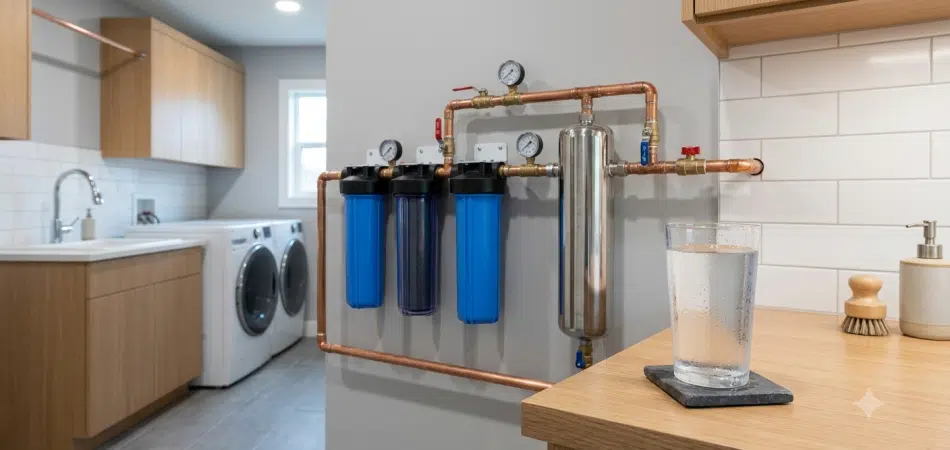
Knoxville municipal water consistently meets EPA Safe Drinking Water Act standards as measured by KUB at the treatment plant. The water that arrives at the tap can still develop smells or tastes from chlorine residual in the distribution system, hydrogen sulfide reactions inside home water heaters, biofilm in seldom-used pipes, or contamination from aging plumbing inside the home. Most smell or taste issues are not safety concerns, but the cause matters because the fix differs by source. Investigating where the smell or taste comes from, and whether it shows up at cold-only or hot taps, narrows the diagnosis quickly.
Knoxville homeowners who notice their tap water tastes or smells off usually wonder two things: is the water safe, and how do I fix it? The reassuring news is that KUB consistently meets all federal drinking water standards, so most smell and taste issues are aesthetic rather than safety concerns. The team at Tennessee Standard Plumbing in Knoxville handles water quality questions across Knox County, and the diagnostic patterns are remarkably consistent.
This guide covers the most common causes of water smell and taste issues in Knoxville homes, how to narrow down the source, and what water treatment options address each cause.
The most common Knoxville water taste and smell issue is chlorine residual. KUB uses chlorine-based disinfection to keep water safe through the distribution system, which means a small amount of residual chlorine reaches every home. Some households detect it more than others, and some homes have higher residual than others depending on how close they sit to the treatment plant.
Public water utilities are required to maintain residual disinfection through the distribution system to prevent bacterial growth between the treatment plant and the tap. Without chlorine residual, water sitting in distribution pipes for hours or days could grow bacteria. The residual is what keeps the water safe along the journey.
Homes closer to the treatment plant or with shorter distribution runs receive water with higher chlorine residual. Homes with longer runs get water that has already used up some of the chlorine fighting bacteria along the way. Local water pressure, time of day, and household water use patterns also affect how much chlorine reaches a specific faucet.
A whole-home carbon filter installed at the main water line removes chlorine before it reaches any faucet in the home. Point-of-use carbon filters (under-sink or pitcher style) handle drinking water specifically. Letting cold water sit in an open pitcher for 20 to 30 minutes also reduces chlorine through evaporation, though this is a temporary fix rather than ongoing solution.
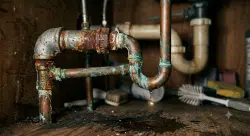 A sulfur or rotten-egg smell in tap water usually indicates hydrogen sulfide, often from a chemical reaction inside the water heater rather than from the municipal supply. The smell typically shows up at hot taps only, which is the first diagnostic clue. Cold tap smells of sulfur come from a different source and need different investigation.
Water heaters have a sacrificial anode rod (usually magnesium or aluminum) that protects the tank from corrosion. In water with sulfate-reducing bacteria, the anode reacts with the bacteria and produces hydrogen sulfide, which gives the rotten-egg smell. The smell is harmless but unpleasant, and it tells you something specific is happening inside the heater.
Replacing the magnesium anode rod with an aluminum or aluminum-zinc anode rod usually resolves the smell because the new material reacts less aggressively with the bacteria. Flushing the water heater also helps by removing accumulated bacteria. Powered (electrical) anode rods are another option for persistent cases.
When the sulfur smell shows up at cold taps, the cause is in the supply water rather than the water heater. This is rare in KUB municipal supply but can happen in well water systems or during specific events. The fix depends on the source, which testing can identify.
A musty or earthy smell in tap water usually points to either organic compounds in the source water (algae blooms or naturally occurring decomposition in the watershed) or biofilm growth inside home plumbing. The source is usually identifiable based on whether the smell affects all taps or just specific ones.
During certain seasonal conditions (often summer and fall), the Tennessee River source water can develop musty or earthy smells from algae blooms or organic decomposition. KUB treatment removes most of this but trace amounts can carry through to tap water. The smell typically affects all taps in the home equally and resolves as conditions in the source water change.
Pipes that do not see regular water flow (guest bathrooms, vacation homes, fixtures in lower-use rooms) can develop biofilm on the interior walls. The biofilm produces musty or earthy smells when the fixture is finally used. The fix is usually running the fixture regularly to keep water flowing through. For broader perspective on what biofilm and drain odors look like in a home, see drain smell causes and fixes, which covers a related smell pattern.
A whole-home carbon filter helps with most source water taste and smell issues, including seasonal organic compounds. The filter does not address biofilm inside home plumbing, which needs the affected fixtures to be flushed regularly.
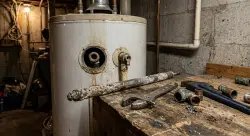 A metallic taste in tap water usually indicates dissolved metals coming from home plumbing rather than from the municipal supply. The most common sources are copper from aging copper pipes, iron from galvanized steel pipes, or in some cases lead from solder joints in homes built before 1986.
Copper pipes that have been in service for many decades can leach small amounts of copper into the water, particularly water that sits in the pipes overnight. The first draw in the morning often has the highest copper concentration. Running the tap for 30 seconds before drinking helps reduce concentration.
Older Knoxville homes with original galvanized steel water lines often develop a metallic taste as the zinc coating breaks down and iron from the steel underneath leaches into the water. The water may also show a yellow or reddish tint. Replacing galvanized supply lines is the long-term fix.
Lead solder was used to join copper pipes in homes built before 1986. The solder can leach small amounts of lead into water. For homes built before 1986, especially with children in the household, a water test specifically for lead is the right diagnostic step. Filtration certified to remove lead handles the issue if present.
Most Knoxville water taste and smell issues have manageable causes and clear fixes once the source is identified. Chlorine taste responds to filtration. Sulfur smells respond to water heater service. Musty smells respond to filtration or flushing seldom-used fixtures. Metallic tastes call for water testing and sometimes plumbing updates. Any sudden change in taste or smell that does not match the patterns above is worth investigating with a water test.
Tennessee Standard Plumbing handles water quality testing, water filter installation, water heater service, and water piping work across Knoxville and Knox County. Identifying the cause is the first step; the right fix follows from there.
Call (865) 352-9003 or schedule a water quality assessment to get started.
Yes. Knoxville municipal water consistently meets all EPA Safe Drinking Water Act standards as measured by KUB at the treatment plant. Most smell or taste issues are aesthetic rather than safety concerns. Persistent or sudden changes are worth investigating with a water test.
KUB uses chlorine-based disinfection to keep water safe through the distribution system. The residual chlorine that reaches your tap is what causes the chlorine smell. A whole-home or point-of-use carbon filter removes it.
A rotten-egg smell at hot taps only usually indicates hydrogen sulfide from the water heater anode rod reacting with bacteria in the tank. Replacing the magnesium anode with an aluminum or aluminum-zinc anode typically resolves it.
A metallic taste usually comes from dissolved metals leaching from home plumbing rather than from the municipal supply. Common sources are copper from aging copper pipes or iron from galvanized steel pipes. Older Knoxville homes are more affected.
Yes, especially if the change is sudden, severe, or affects all taps. A basic water test identifies what is actually in the water and points to the right fix. Lead testing is particularly worth doing in homes built before 1986.
A whole-home carbon filter addresses most chlorine, taste, and odor issues from the municipal supply. Filtration does not address issues coming from the water heater (sulfur smells), home plumbing (metallic taste), or fixtures with biofilm.
Chlorine residual stays in the water continuously, so the taste is consistent. Letting water sit in an open container for 20 to 30 minutes reduces chlorine through evaporation, but a filter is the ongoing solution.
