
Is Your Water Heater Leaking? Here’s What You Need to Know
The last thing any homeowner wants is to walk into their utility room and see a puddle of water around their water heater. If this happens to you, ... Read More

Same-Day Service Available
Need a Plumber in Knoxville? We’re Ready to Help!




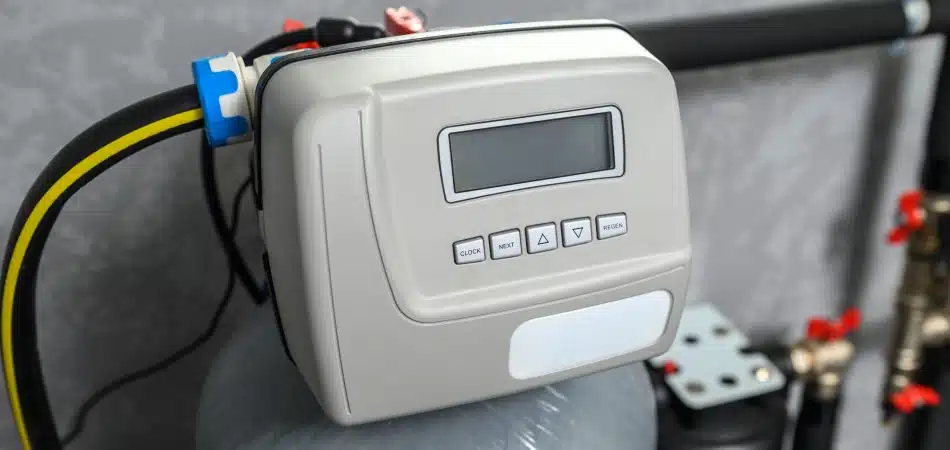
Water softeners are widely misunderstood. The most common misconceptions include believing a softener also filters out contaminants like chlorine or bacteria (it does not), thinking softened water has dangerously high sodium (the amount is usually trivial unless on strict medical sodium restrictions), assuming a softener handles every water quality issue (it only addresses hardness), and confusing salt-free water conditioners with true salt-based softeners. Knowing what a softener actually does, and what it does not, helps Knoxville homeowners choose the right system for the actual water quality issues in their home.
Water softeners are one of the most common pieces of home water treatment equipment in Knoxville, and one of the most misunderstood. Homeowners often confuse softeners with filters, expect softeners to fix problems they cannot fix, or avoid softeners based on concerns that do not apply to most households. The team behind Tennessee Standard Plumbing in Knoxville fields these misunderstandings on most water treatment consultations, and the patterns repeat across Knox County homes.
This guide covers what water softeners actually do, what they do not, and how to think about whether a softener fits a specific home’s water treatment needs.
A water softener removes hardness minerals (calcium and magnesium) through ion exchange. It does not filter chlorine, bacteria, sediment, heavy metals, pesticides, pharmaceuticals, or most other contaminants. Homeowners who buy a softener expecting it to handle all water quality concerns often end up disappointed when issues like chlorine taste remain unaddressed.
Softeners specifically target dissolved calcium and magnesium, the two minerals that cause water hardness. The softener swaps these minerals for sodium (or potassium) through an ion exchange process inside the resin bed. That is the entire function: hardness in, sodium out, no other changes to the water.
Chlorine, chloramine, bacteria, viruses, sediment, lead, copper, iron at high levels, pesticides, pharmaceuticals, PFAS, and most other contaminants pass through a softener unchanged. Homes with concerns about any of these need separate filtration appropriate to the specific contaminant.
The combination of a whole-home carbon filter (which handles chlorine, taste, odor, and some contaminants) plus a water softener (which handles hardness) covers the two most common water quality concerns in Knoxville homes. Many softener installations include or recommend pairing with carbon filtration for this reason.
Softened water does have a trace amount of added sodium from the ion exchange process, but the amount is typically very small. For most Knoxville households without strict medical sodium restrictions, the addition is not a health concern. Households on doctor-prescribed sodium limits should still discuss with their physician, but the assumption that softened water is automatically off-limits is overstated.
 The amount of sodium added depends on the original hardness of the water. At Knoxville’s typical hardness of around 90 mg/L, softening adds approximately 50 to 75 mg of sodium per liter of water. A typical 8-ounce glass of softened water has about 12 to 18 mg of added sodium. For context, a slice of bread typically has 100 to 150 mg of sodium.
Households concerned about sodium have several options. Potassium chloride can replace sodium chloride in the softener for households restricting sodium specifically. Bypassing the cold water at the kitchen sink so cooking and drinking water come from unsoftened lines is another approach. A reverse osmosis filter at the kitchen sink removes the added sodium along with other dissolved solids.
For households not on prescribed sodium restrictions, the sodium added by softening is small enough to be a non-issue compared to other sodium sources in normal diets. Most physicians do not view softened water as a meaningful concern at typical Knoxville hardness levels.
Salt-free water conditioners (sometimes called “salt-free softeners,” which is a misleading term) do not actually soften water. They use various technologies to alter how minerals behave in the water, which can reduce scale buildup, but the water remains hard by any actual measurement. For some applications, this is enough; for others, it is not.
Most salt-free conditioners use template-assisted crystallization or similar technologies that cause hardness minerals to form into shapes less likely to stick to pipe walls. The minerals are still in the water; they just behave differently. Some homeowners notice less visible scale buildup with conditioners. Many notice little difference.
Households that want to reduce scale on fixtures but do not need true softening (do not have skin or hair concerns from hardness, do not need maximum appliance protection) may find a conditioner adequate. The benefits include no salt to add, no regeneration cycle, and no added sodium to the water.
For homes where the hardness effects on skin, hair, appliances, and detergent use are the priority, a salt-based softener delivers actual soft water that addresses these issues directly. A conditioner does not produce soft water by any real measurement.
Water softeners are actually one of the lower-maintenance pieces of equipment in a home. The most frequent task is salt refills every 6 to 8 weeks for an average household, which takes a few minutes. Annual checks and occasional brine tank cleaning round out the routine.
Salt refills every 6 to 8 weeks. Visual check of the brine tank monthly for salt bridges or unusual buildup. Annual cleaning of the brine tank. Periodic testing of the softened water hardness with test strips to confirm the system is working. Most of this is straightforward homeowner work that does not require service calls.
Resin replacement every 10 to 15 years, valve or control head repair when components fail, and persistent hardness issues that routine maintenance does not resolve all call for professional service. For a broader context on home water systems and the components that need attention over time, how high water pressure shortens pipe lifespan covers another long-term consideration that affects the same plumbing the softener serves.
Total time spent on softener maintenance for an average household is usually 30 minutes to an hour per year, plus a few minutes every 6 to 8 weeks for salt. This is far less time than most homeowners spend on lawn care or other routine maintenance.
| Common Belief | Actual Reality |
|---|---|
| A softener filters all water contaminants | A softener only removes hardness; contaminants need separate filtration |
| Softened water is too salty to drink | The amount of sodium added is small unless on strict medical restrictions |
| Salt-free conditioners work the same as softeners | Conditioners change mineral behavior; only softeners produce soft water |
| Softeners need constant attention | Salt every 6-8 weeks, plus annual checks, is the typical routine |
| A softener will fix bad-tasting water | A softener does not remove chlorine, taste, or odor issues |
| Soft water feels slimy and unpleasant | Soft water feels different at first, but most households adapt quickly |
| Softeners waste a lot of water during regeneration | Modern softeners regenerate efficiently and use modest amounts of water |
| One softener fits all homes | Softener capacity should match household size and water hardness |
Water softeners do one specific job (removing hardness) and do it well. The misconceptions about what they also do, or what they cause, lead some Knoxville homeowners to either expect too much or avoid softeners for the wrong reasons. Knowing what a softener actually addresses, and pairing it with other treatments (like carbon filtration for chlorine) when needed, delivers the best overall water quality result for most homes.
Tennessee Standard Plumbing handles water softener installation, whole-home water filtration, water testing, and full system consultation across Knoxville and Knox County, with recommendations based on what the specific home actually needs.
Call (865) 352-9003 or schedule a water treatment consultation to get started.
No. A water softener only removes hardness minerals (calcium and magnesium). It does not filter chlorine, bacteria, sediment, lead, or other contaminants. For these, separate filtration is needed.
Yes, for most households. The amount of sodium added by softening is small relative to typical dietary sodium intake. Households on prescribed sodium restrictions should discuss with a physician or use potassium chloride salt or an RO filter at the kitchen sink.
Salt-based softeners actually remove hardness minerals through ion exchange, producing measurably soft water. Salt-free conditioners alter how minerals behave to reduce scale but do not actually soften the water. Only the salt-based system produces true soft water.
At Knoxville’s typical hardness, softening adds approximately 50 to 75 mg of sodium per liter. A typical 8-ounce glass has about 12 to 18 mg of added sodium, compared to 100 to 150 mg in a slice of bread.
Softened water rinses soap completely instead of leaving the mineral residue that hard water leaves on skin. The feeling some homeowners describe as “slippery” is actually skin without the dried-on residue layer. Most households adapt within a few weeks.
Yes, for most Knoxville homes. A softener does not address chlorine, taste, odor, or contaminants. Pairing a softener with a whole-home carbon filter (and often a point-of-use RO filter for drinking) covers the broader water quality picture.
For most households, yes. The mineral residue from hard water that builds up on skin and hair is the cause of many dry-skin and dull-hair complaints in Knoxville homes. Softened water typically delivers noticeable improvement within days.


The last thing any homeowner wants is to walk into their utility room and see a puddle of water around their water heater. If this happens to you, ... Read More
Key Takeaways The main water shutoff valve is the single most important plumbing component for emergency response, and a valve that will n... Read More

A kitchen sink leak can cause a lot of damage to your home if left unaddressed, leading to mold growth, water damage, and costly repairs. That's wh... Read More