
Same-Day Service Available
00
Hrs
00
Mins
00
Secs
Need a Plumber in Knoxville? We’re Ready to Help!
Same-Day Service Available
Need a Plumber in Knoxville? We’re Ready to Help!




Key Takeaways
The whole-home water shutoff valve is the single most important plumbing component for emergency response. When a pipe bursts or a fixture fails, the difference between minor inconvenience and major water damage is often measured in the seconds it takes to find and operate the shutoff. Older Knoxville homes commonly have gate valves that seize, leak, or break when finally needed after years of disuse. A modern ball valve replacement turns reliably and shuts off cleanly. For Knoxville homes with valves that are difficult to operate or have not been tested in years, an upgrade is one of the highest-value plumbing improvements available.
Most Knoxville homeowners think about the main water shutoff valve exactly once: when they need it. That is the worst possible time to discover the valve does not turn, leaks when partly closed, or fails completely under pressure. A working main shutoff is the difference between catching a burst pipe early and dealing with thousands of dollars in water damage.
This guide covers when a Knoxville home should consider upgrading the main shutoff valve, what an upgrade involves at a homeowner-awareness level, and how to tell whether the existing valve is doing its job.
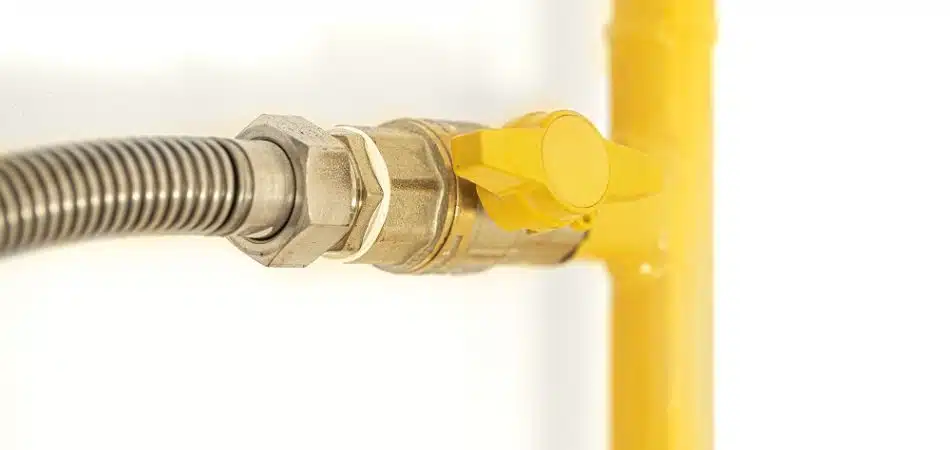
The main shutoff valve is the single point that stops all water flow into the home. Every other valve in the plumbing system controls a specific fixture or branch. The main valve controls everything. When something goes wrong (a burst pipe, a fixture failure, a major leak), the main valve is what stops the water from continuing to flow into the home while repairs happen.
In most Knoxville homes the main shutoff valve is where the water service line enters the home, usually near the front exterior wall, in a basement utility area, or in a crawl space. Homes also have a curbside shutoff at the meter, but the homeowner-accessible valve is the one inside the property. For a clear overview of where the main shutoff fits into the rest of the system, see how a home plumbing system works, which maps the major components every Knoxville homeowner should know.
A main shutoff valve that will not fully close means water keeps flowing into the home even after the homeowner thinks the supply is off. During a plumbing emergency, this is the worst possible scenario. The damage from a burst pipe continues to compound until either the curbside valve at the meter is closed (often requiring a wrench and access to the meter pit) or the utility shuts off service. Either option adds minutes to the response, and every minute matters.
Homes built before 1985 often have original gate valves on the main supply. Gate valves use a wedge-shaped gate that seats inside the valve body, and over decades of disuse the seat corrodes, the stem packing dries out, and the gate can seize in the open position. When the homeowner finally tries to turn it during an emergency, the valve either will not move or breaks entirely. Modern ball valves use a different mechanism that resists this kind of failure.

Several signs indicate that the main shutoff valve in a Knoxville home is failing or has already failed. Catching these signs during routine inspection (rather than during an emergency) gives the homeowner time to plan a replacement without the pressure of a flooded floor.
A main shutoff valve should turn smoothly with hand pressure. A valve that requires real force to operate, that turns roughly, or that will not move at all has likely seized internally. The longer the valve sits unused, the more likely it is to fail when needed.
Test the valve periodically by closing it fully and opening a faucet inside the home. If water continues to flow after the valve is closed, the gate or seat inside the valve has failed and the valve is no longer providing a complete shutoff. This is a functional failure that calls for replacement.
Surface corrosion, rust streaks, or dried mineral deposits around the valve body indicate slow seepage or past leak events. Even minor seepage indicates the valve is degrading and is on borrowed time. Visible damage warrants closer inspection.
Even without visible problems, an original gate valve in a Knoxville home built before 1985 is well past the point where preventive replacement makes sense. Replacing it with a modern ball valve while the home is dry and on a planned schedule costs far less than dealing with valve failure during a plumbing emergency.
Replacing a main shutoff valve is a plumbing project that involves shutting off the water at the curbside meter, removing the existing valve, and installing a new one. The work happens in a single visit for most homes. The homeowner-side preparation is straightforward and helps the project go smoothly.
Before the work starts, the plumber will need to confirm where the main shutoff valve is located, what the surrounding plumbing looks like, and whether there is convenient access to the curbside valve at the meter. Homes with valves in tight basement corners, behind built-in fixtures, or in crawl spaces may need additional access time built into the visit.
Modern ball valves use a quarter-turn handle that opens and closes positively in one motion. They have far fewer moving parts than gate valves, do not seize from disuse, and provide a reliable full shutoff when needed. The difference in reliability between a 1970s gate valve and a modern ball valve is substantial enough that the upgrade is worthwhile even on valves that currently work, in older homes.
A shutoff valve upgrade pairs naturally with other planned plumbing work, since the water has to be off for both. Homeowners considering a repipe, a water heater replacement, or any major fixture work can often combine the shutoff valve upgrade into the same visit, which makes both projects more efficient.
The math on a shutoff valve upgrade is straightforward. The cost of replacing a working-but-aging valve preventively is a fraction of the cost of cleanup after a burst pipe that could not be stopped quickly. For older Knoxville homes especially, the upgrade is one of the lowest-cost, highest-impact plumbing improvements available.
| Scenario | What Happens Without an Upgraded Valve | What Happens With an Upgraded Valve |
|---|---|---|
| Burst pipe in the wall | Water continues flowing while homeowner finds curbside valve or calls utility | Water shut off in seconds, damage minimized |
| Failed water heater | Tank continues filling and leaking onto the floor | Water isolated quickly, only the existing leak needs cleanup |
| Major fixture leak | Slow leak becomes a soaked floor before the valve responds | Leak stopped at the source within seconds |
| Planned plumbing repair | Plumber may have to call utility to shut off water | Plumber shuts off water on arrival, repair proceeds normally |
For Knoxville homes built before 1985, or any home with a main shutoff valve that is hard to turn, leaks when closed, or has not been tested in years, an upgrade is one of the highest-value plumbing improvements available. The replacement happens in a single visit, the new ball valve will work reliably for decades, and the homeowner gains real protection against the next plumbing emergency.
Tennessee Standard Plumbing handles shutoff valve replacement across Knoxville and Knox County, often combined with related water piping work when the home needs broader updates.
Call (865) 352-9003 or schedule a main shutoff valve inspection to get started.
In most Knoxville homes the main shutoff is where the water service line enters the home, usually near the front exterior wall, in a basement utility area, or in a crawl space. The valve is on the cold water side of the main supply, just inside the home.
Test the valve at least once a year by closing it fully and opening a faucet to confirm water stops flowing. Regular testing both confirms the valve still works and keeps the internal mechanism moving so it does not seize.
A gate valve uses a wedge-shaped gate that seats inside the valve body when closed. A ball valve uses a rotating ball with a hole through it that aligns with the flow when open and blocks flow when closed. Ball valves are more reliable, easier to operate, and far less prone to seizing or partial failure than gate valves.
Main shutoff valve replacement involves cutting into the main water line and coordinating with the curbside utility shutoff. This is a project where hiring a professional is the right call for most homeowners. A failed installation can cause major water damage or compliance issues.
The actual valve replacement is a relatively quick project in most cases. The total visit time depends on access to the valve location, coordination with the curbside meter shutoff, and any related plumbing work being done at the same time.
Yes, water has to be off during the replacement itself. The plumber will coordinate the timing so the off-water window is as short as possible.
Most homeowner insurance policies cover sudden water damage but may scrutinize claims where preventable maintenance was deferred. A valve that was known to be failing and not addressed could complicate a claim. Check the policy and document maintenance.


