
How to Increase Water Pressure in Your Home: A Step-by-Step Guide
Installing a water booster pump is a reliable way to improve low water pressure at home. It involves choosing the right pump, preparing the area, m... Read More

Same-Day Service Available
Need a Plumber in Knoxville? We’re Ready to Help!




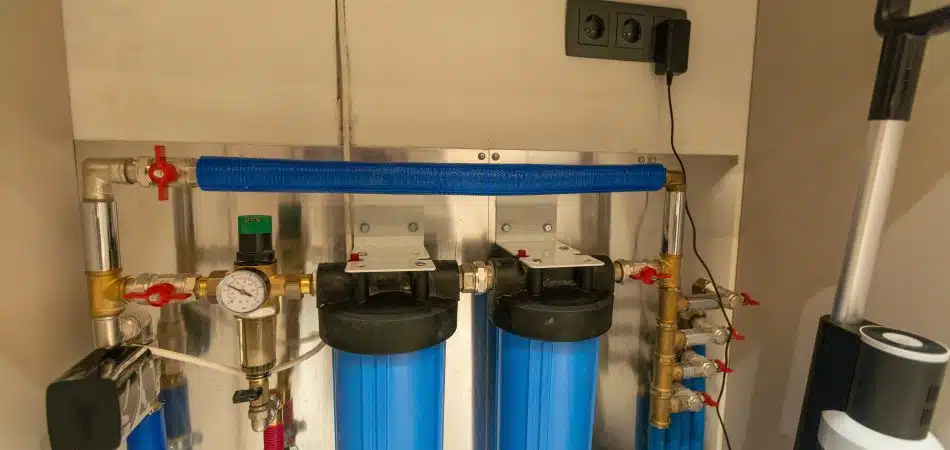
Most planning mistakes with whole-home water filtration in Knoxville come down to skipping a water test, sizing a system for the house instead of the actual water source, and not considering a tankless water heater pairing before either purchase is final. Knoxville homes split between city (KUB) water and private wells, and each carries a different load that changes what a filtration system actually needs to handle.
Knoxville sits on a mix of KUB city water and private wells across the surrounding towns, and that split changes what a filtration system needs to do. A plan that works for one water source can fall short on the other.
At Tennessee Standard Plumbing, we help Knoxville homeowners plan whole-home water filtration systems that actually fit their home. Most of the surprises homeowners run into could have been avoided with a few questions asked earlier in the process.
This August, we’re crediting the value of an anti-scale filter off any whole-home filtration system paired with a tankless water heater. Contact us today to schedule your water test and start planning the right system for your home.
Planning a whole-home water filtration system starts long before a specific brand or model gets picked. Three factors decide almost everything else: where the water comes from, how much of it the household actually uses, and where the system physically fits.
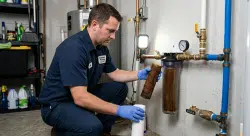 Homes on KUB city water draw from Fort Loudoun Lake and get treated at the Mark B. Whitaker plant, disinfected with chlorine and chloramine, and run moderately hard by USGS standards. KUB’s own service-line inventory found no lead lines in its distribution system, though hardness still varies by neighborhood.
Private wells, common across Clinton, Maryville, and the surrounding towns, skip that step entirely and often carry sediment, iron, sulfur, or manganese on top of hardness. A system built for one source rarely performs the same on the other, which is why the water source needs confirming before anything else gets planned.
Sizing comes down to how much water a household actually moves through its plumbing, not just square footage. A system built for a home’s real demand keeps water pressure steady at every fixture, even when a shower, a washing machine, and a kitchen faucet run at the same time.
Homes on a private well often need extra sizing headroom since well water’s sediment and mineral load add strain a city water system never sees. Guessing at size from a floor plan alone is a common oversight; the water test, not the square footage, actually answers the question.
A whole-home system needs a clear spot near the main water line, with enough room to reach it for filter changes down the road. Placing it upstream of the water heater is standard practice, since that position protects the heater along with every fixture in the house.
Older homes and homes with additions don’t always have that space mapped out ahead of time. Walking the actual plumbing layout before choosing a system avoids a last-minute redesign.
Most planning problems trace back to a handful of repeatable mistakes. The table below covers the most common ones, why they happen, and what to check instead.
Some plans are solid from day one. Others have gaps that only show up once you know what to look for.
If a system has been chosen before the water has been tested, the plan is working from assumptions instead of facts. National averages and a neighbor’s setup are not a substitute for what is actually coming through a specific home’s pipes.
A water test takes the guesswork out of sizing and confirms whether hardness, sediment, or something else is the real problem. Skipping it is the single most common reason a filtration plan needs revisiting later.
Well water changes the entire planning conversation compared to city water. A plan built around KUB’s treated, chlorine-disinfected water will not automatically account for the sediment, iron, or sulfur odor that well water commonly carries.
Homes in Alcoa, Karns, Seymour, and other well-served areas need that extra load factored in before a system gets sized. If a plan doesn’t mention the water source specifically, it’s worth asking why.
Filtration and a tankless water heater are often planned as two separate purchases, even when timing them together makes more sense. An anti-scale filter paired with a tankless system protects the new heater from the same hardness minerals a whole-home system is already managing.
If a tankless install is anywhere in the near-term plan, it’s worth asking about pairing before either purchase is final. It’s exactly the kind of oversight that’s easy to catch early and costly to catch late.
A solid filtration plan follows a specific order, starting with data instead of a product catalog. Here’s what that looks like in practice.
The water test comes before any product conversation, not after. A water quality test shows exactly what a home’s water is carrying, whether that’s hardness minerals, sediment, chlorine taste, or something specific to a private well, and that data is what actually determines which system makes sense.
Homeowners who start with a product in mind often end up correcting course once the results come back. Starting with the test instead saves that step.
Once the water source and test results are known, the system gets matched to that specific profile rather than a generic recommendation. City-water homes and well-water homes rarely need the identical setup, even at similar household sizes.
Existing plumbing, available space, and household demand all get weighed together here instead of separately. The result is a plan built around one specific home, not an average one.
This is a natural point to plan ahead instead of revisiting the decision later. This August, pairing a whole-home filtration system with a tankless water heater credits the value of an anti-scale filter off the system, protecting the new unit from the same hardness minerals the system is already managing.
Homeowners planning either purchase soon get more value by timing them together than by spacing them out. Tankless water heaters pair naturally with whole-home filtration when the timing lines up.
A filtration plan built around your actual water source, your household’s real demand, and your existing plumbing avoids most of the surprises homeowners run into later. Tennessee Standard Plumbing walks Knoxville homeowners through that process, start to finish.
This August, pair a whole-home filtration system with a tankless water heater, and we’ll credit the value of an anti-scale filter to the system. Planning a shower upgrade instead? Ask about our no-interest, no-payment 18-month financing on shower installs and upgrades this August.
Either way, the right plan starts with knowing what’s actually running through your home’s pipes, whether that’s KUB city water or a private well. Call us today to plan your whole-home filtration system.
These offers cannot be combined with other offers.
*EXCLUSIONS APPLY; CALL FOR DETAILS
A water quality test is the first step, not choosing a product. Testing shows exactly what a home’s water contains, whether that’s hardness minerals, sediment, or chlorine taste, and that result is what actually determines which system fits. Skipping this step is the most common reason a plan needs revisiting later.
Usually, yes. Well water commonly carries sediment, iron, or sulfur on top of hardness, while KUB city water arrives already treated and disinfected. A system sized for one water source rarely performs the same on the other, so the water source has to be confirmed before sizing.
System size depends on household water demand and the load your specific water source places on it, not square footage alone. Homes on private wells often need more sizing headroom than homes on city water because of the extra sediment and mineral load. A water test answers this more reliably than guessing.
Most systems are placed near the main water line, upstream of the water heater, so the heater and every fixture in the house benefit. That location also needs enough clearance for routine filter changes down the road. Older homes and additions don’t always have that space mapped out ahead of time.
Often, yes. A softener and a whole-home filter solve different problems, hardness minerals versus contaminants like chlorine or sediment, so many homes run both together. Confirming how the two would connect and where each fits is part of the planning conversation.
Yes, and pairing them is common. A whole-home system protects a tankless water heater from the same hardness minerals that cause scale buildup inside it, extending the heater’s performance over time. Planning them both together, rather than as separate purchases, is usually the better approach.
This August, the value of an anti-scale filter is credited to any whole-home filtration system paired with a tankless water heater installation. Exclusions apply, and the offer cannot be combined with other offers, so the exact details get confirmed during your consult.
A professional water quality test is the most reliable way to find out whether your home is on KUB city water or a private well. It replaces guesswork with actual results specific to your home. That data is what a real filtration plan should be built around.


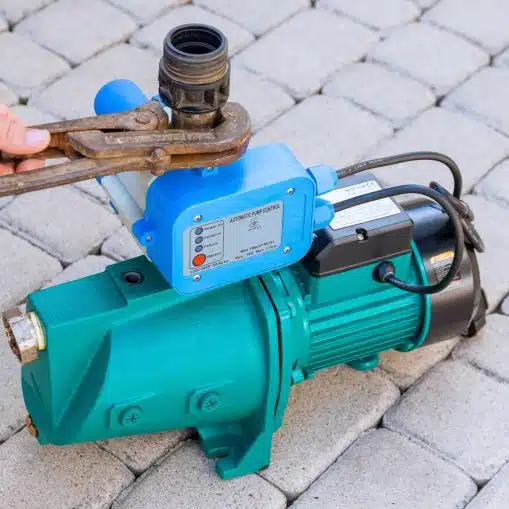
Installing a water booster pump is a reliable way to improve low water pressure at home. It involves choosing the right pump, preparing the area, m... Read More

Key Takeaways Galvanized steel supply pipe fails from the inside out, so a line can look sound from the crawl space while its interior diamete... Read More

Pinhole leaks in copper pipes are primarily caused by chemical corrosion that wears away the protective inner oxide layer of the pipe from the insi... Read More