
Same-Day Service Available
00
Hrs
00
Mins
00
Secs
Need a Plumber in Knoxville? We’re Ready to Help!
Same-Day Service Available
Need a Plumber in Knoxville? We’re Ready to Help!




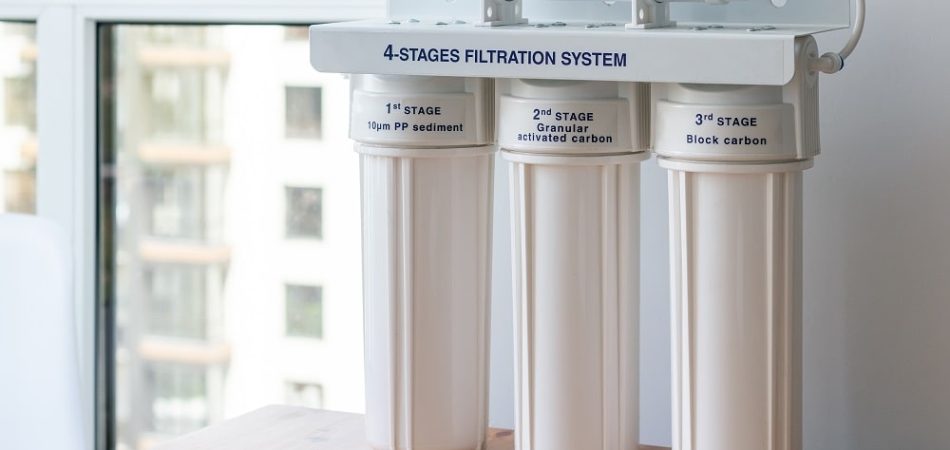
Knoxville’s municipal water meets all EPA Safe Drinking Water Act standards, but it averages approximately 90 mg/L in hardness and carries chlorine residual through the distribution system. A whole-home filtration system pays back through extended appliance life, lower soap and detergent use, and reduced bottled water spending. Industry data consistently shows that water heaters and other appliances running on filtered, softened water last 30 to 50 percent longer than those running on untreated municipal water. The right system and pricing for any specific Knoxville home depends on water quality, household size, and existing plumbing layout, which a written estimate from a licensed plumber can confirm.
This July, Tennessee Standard Plumbing is making the upgrade easier than ever. Get a free point-of-use reverse osmosis filter with the purchase of any whole-home water filtration system. Offer valid through July 31, 2026. Call (865) 352-9003 or schedule your consultation today.
EXCLUSIONS APPLY. CALL FOR DETAILS. Offers cannot be combined with other offers.
A whole-home water filtration system treats every drop of water entering the house, not just the water at one fixture. This means filtered water for cooking, drinking, bathing, laundry, dishes, and appliance use throughout the home. For Knoxville households dealing with chlorine taste, hard-water scale, or sediment, a whole-home system addresses the issue at the source rather than fixture by fixture.
A whole-home filter is positioned where municipal water first enters the home, treating water for every faucet, showerhead, and appliance downstream. The result is consistent water quality across the entire house, from the kitchen sink to the laundry room to the upstairs shower.
KUB delivers water that meets every federal regulatory limit, but Knoxville’s tap water carries chlorine levels that are substantially higher than typical residual amounts, often approaching public swimming pool concentrations. Based on years of direct testing in Knoxville homes, chlorine levels regularly exceed what many homeowners find acceptable. Beyond chlorine, low-level disinfection byproducts and the natural hardness of source water from the Tennessee River remain present at the tap.
According to the Environmental Working Group’s tap water database, Knoxville’s measured trihalomethane levels sit well under the EPA legal limit of 80 parts per billion but above some non-binding health-based guidelines that informed homeowners may want to address.
Whole-home systems effectively remove chlorine and hardness from water at every fixture, but they have a critical limitation: they cannot remove pharmaceuticals, toxins, and other contaminants that pose genuine safety concerns. This is where an under-sink reverse osmosis filter makes the difference. Unlike basic faucet-mounted or pitcher filters, which offer only limited carbon filtration, a dedicated RO filter with its own faucet removes everything that whole-home systems cannot, providing truly comprehensive drinking water protection.
The combination works because each system tackles what the other cannot: the whole-home system handles chlorine and hardness throughout your home, while the RO filter at your kitchen sink ensures the water you drink is truly safe. This month’s offer covers exactly this setup.
Whole-home water filtration cost depends mainly on the system type and capacity. Basic carbon filtration costs the least. Combined carbon-plus-softening systems and higher-capacity models cost more. Actual pricing for any specific Knoxville home depends on water quality, household size, and existing plumbing layout, which a written estimate confirms.
Before purchasing any filtration system, a water quality test identifies which contaminants are present at the tap in a specific Knoxville home. The results determine whether a carbon filter alone is enough or whether a combined carbon-plus-softening setup is the right fit. Skipping this step risks paying for capabilities a home does not need or buying an undersized system that does not solve the actual issue.
Maintenance schedules vary by system type. Carbon media replacement intervals typically range from 5 to 10 years for whole-home systems. Salt-based softeners need salt refills every 6 to 8 weeks for an average household. Reverse osmosis filters require cartridge changes every 6 to 12 months and membrane replacement every 2 to 5 years.
| System Type | Notes |
|---|---|
| Whole-home carbon filter | Reduces chlorine, sediment, taste, odor |
| Carbon + salt-based softener combo | Adds hardness reduction |
| Higher-capacity systems | Larger homes, custom configurations |
| Point-of-use reverse osmosis | Drinking water at the kitchen sink |
| Free RO with whole-home purchase (July) | Through July 31, 2026 |
| Get a written estimate | Knoxville pricing depends on home specifics |
The financial return on a whole-home filtration system comes from four areas: extended appliance lifespan, lower household product consumption, reduced bottled water spending, and protection of plumbing in older Knoxville homes. Combined, these savings can offset the investment within a few years for an average household and faster for homes with high daily water usage or expensive appliances.
Water heaters, dishwashers, washing machines, and ice makers all wear out faster when running on untreated water with hardness and chlorine. Industry sources consistently report that water heaters in homes with whole-home filtration and softening last 30 to 50 percent longer on average than those on untreated water. For a tankless water heater installation, that lifespan extension easily covers a meaningful portion of the filtration system’s cost over time, especially when the appliance is replaced once rather than twice over the same span of years.
Hard water requires more soap, shampoo, dish detergent, and laundry detergent to produce the same lather and cleaning effect. Households using filtered or softened water typically use 25 to 50 percent less detergent. For a Knoxville family of four, that adds up to $200 to $400 per year in reduced household product spending.
Households that buy bottled water because they dislike the taste of municipal tap water spend an average of $300 to $600 annually per household, according to industry tracking data. A whole-home filter combined with a point-of-use reverse osmosis filter eliminates almost all bottled water purchases for typical drinking and cooking use.
Modern Knoxville home listings increasingly mention whole-home water treatment as a feature, particularly in price ranges above $400,000. A documented whole-home filtration system can be a small but real selling point, especially in established neighborhoods with older municipal infrastructure where buyers may have water quality concerns.
| Savings Source | Industry-Reported Annual Range | Notes |
|---|---|---|
| Appliance lifespan extension | $100–$300 | Spread across water heater, dishwasher, washer life |
| Reduced detergent and soap costs | $200–$400 | Family of four, normal use |
| Eliminated bottled water spending | $300–$600 | Per household average |
| Reduced plumbing repair frequency | $50–$200 | Higher in older Knoxville homes |
| Combined annual savings (typical household) | $650–$1,500 | Actual savings vary by household and water quality |
The investment makes the most sense for Knoxville homes with at least one of four characteristics: original plumbing built before 1980, visible signs of hard water on fixtures and appliances, a household with young children or someone with skin sensitivities, or annual bottled water spending exceeding $300. Homes with multiple factors see the fastest payback period.
Homes built before 1980 in established Knoxville neighborhoods often still have galvanized steel water supply lines, copper with lead solder joints from the era, or other materials that benefit substantially from upstream filtration. A whole-home system reduces the load on aging pipes and the sediment passing through them, which can extend the time before a major repipe is needed.
White scale on showerheads, cloudy glassware after dishwashing, soap that doesn’t lather well, and stiffer laundry are all signs that hard water is affecting daily life. Knoxville’s average 90 mg/L hardness puts it in the moderately hard range, which is not extreme but is more than enough to create these effects in most households over time.
Chlorine in shower water can dry skin and hair, especially for children with eczema or adults with sensitive skin. Removing chlorine at the whole-home level provides chlorine-free water at every shower in the home, not just one fixture. This benefit is harder to quantify in dollars but consistently ranks high in homeowner satisfaction surveys.
For most Knoxville homeowners, the answer to whether a whole-home water filtration system is worth the investment comes down to math and lifestyle. The math typically shows payback within a few years through extended appliance life, reduced household product spending, and eliminated bottled water purchases. The lifestyle benefit of filtered water at every fixture in the home is harder to put a dollar amount on, but it consistently ranks as one of the highest-satisfaction home upgrades.
Tennessee Standard Plumbing has served Knoxville, East Tennessee, and Knox County since 2019 with a 5.0 Google rating and more than 2,000 reviews. Led by a fifth-generation master plumber, the team delivers whole-home water filtration with an upfront price guarantee and BBB-certified workmanship.
Coming up in August: get a free Peak Flow anti-scale filter with the installation of any tankless water heater, or apply the value of a Peak Flow filter toward a whole-home filtration system paired with a tankless installation.
EXCLUSIONS APPLY. CALL FOR DETAILS. Offers cannot be combined with other offers.
For most Knoxville homes, yes. Households typically save $650 to $1,500 per year through extended appliance lifespan, reduced detergent and soap use, and eliminated bottled water spending. A whole-home system usually pays back its installation cost within a few years, faster for homes with high daily water usage or expensive appliances.
Cost depends mainly on system type and capacity. Combined carbon-plus-softening systems run higher. A point-of-use reverse osmosis filter for drinking water adds to the cost when installed separately but is included free through July with the current offer. Contact Tennessee Standard Plumbing for a written estimate based on your specific Knoxville home.
Most whole-home filtration systems last 10 to 20 years with proper maintenance. Carbon filter media typically needs replacement every 5 to 10 years. Softener resin lasts 10 to 15 years. Regular media changes and salt refills keep the system performing as it should across that full lifespan.
Yes. Most whole-home carbon filtration systems are specifically designed to reduce chlorine, chloramine, and disinfection byproducts. KUB delivers water with chlorine residual to maintain safety through the distribution system, and a whole-home carbon filter removes that residual before it reaches faucets, showers, and appliances.
A standard whole-home carbon filter does not address hardness. For Knoxville’s average 90 mg/L water hardness, a salt-based water softener paired with carbon filtration is the configuration that tackles both chlorine and hardness in a single setup. The right pairing depends on water quality at the specific home.
Yes, if drinking water purity is the priority. Whole-home systems address most contaminants but do not remove dissolved solids like nitrates, fluoride, or trace metals. A point-of-use reverse osmosis filter at the kitchen sink handles those final concerns for water used in drinking, cooking, and baby formula preparation.
A properly sized whole-home filter does not noticeably reduce water pressure in most Knoxville homes. The system is matched to the home’s flow rate and fixture count during the consultation, which keeps pressure consistent at every faucet and showerhead. A noticeable pressure drop after installation usually means the system was undersized for the household’s actual demand.
Schedule a whole-home water filtration installation with Tennessee Standard Plumbing through July 31, 2026. The free point-of-use reverse osmosis filter is included with every qualifying whole-home filtration system purchase. Call (865) 352-9003 to confirm system options and pricing.
A basic water quality test identifies which contaminants are present at the tap in a specific Knoxville home. Tests typically check for hardness, chlorine, pH, total dissolved solids, and any specific concerns like lead in older homes or iron in well-water properties. Results guide which system configuration is the right fit, avoiding paying for capabilities the home does not need.

