
Same-Day Service Available
00
Hrs
00
Mins
00
Secs
Need a Plumber in Knoxville? We’re Ready to Help!
Same-Day Service Available
Need a Plumber in Knoxville? We’re Ready to Help!




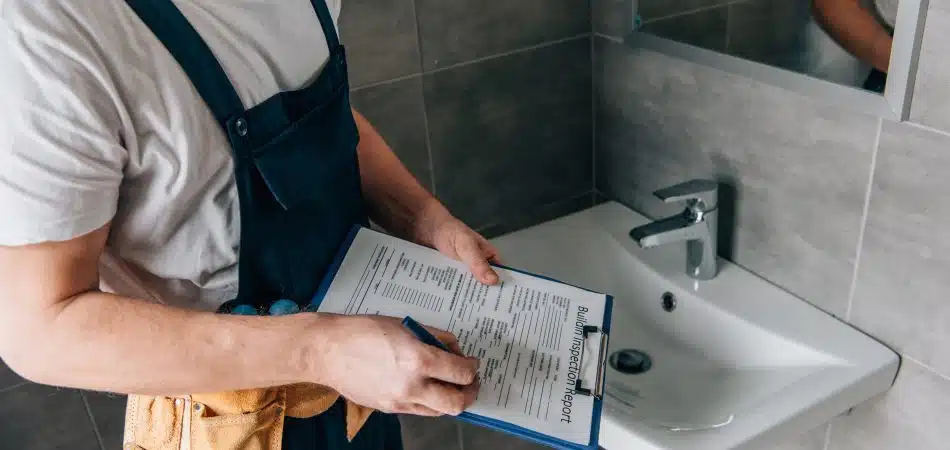
A practical home plumbing maintenance schedule combines monthly checks, seasonal tasks, annual reviews, and prompt attention to warning signs. Monthly, check toilets for silent running, inspect under-sink connections for moisture, and note any drain that has slowed. Seasonally, disconnect hoses before freezing weather, inspect washing-machine hoses, and clear exterior drainage. Annually, review the water heater, exercise the main shutoff valve, and measure static water pressure. These checks do not replace professional maintenance, but they can help homeowners identify warning signs before a small plumbing problem causes property damage.
Most homeowners think about plumbing only when a leak, backup, or loss of water interrupts the day. Some failures provide warning signs first, such as a bulging washing-machine hose, a continuously running toilet, a noisy water heater, or a drain that gradually slows. A quick monthly visual check can help homeowners spot changes early. However, it may not find every hidden leak, sewer line issue, or equipment problem. Homeowners who want a professional review can arrange for Knoxville plumbing services based on the home’s age, condition, and history.
Tennessee Standard Plumbing offers home plumbing services in Knoxville and nearby areas. They help with finding leaks, fixing drains, servicing water heaters, and doing emergency repairs. The company also offers preventive drain maintenance for homeowners who prefer scheduled service over emergency response.
The checklist below is organized by how often each task needs attention, so a homeowner can put the monthly items on a phone reminder and the annual items on a calendar.
Monthly checks should be visual and should not require tools. The goal is to notice changes rather than diagnose their causes. Look for moisture, corrosion, unusual sounds, changes in drainage, and fixtures that behave differently from normal. Stop and seek professional help if the inspection reveals an active leak, electrical hazard, gas odor, sewage backup, or damaged equipment.
A worn flapper lets water pass from tank to bowl continuously without any audible sound. The test takes ten minutes: place a few drops of food coloring in the tank, wait without flushing, and check whether color appears in the bowl. Color in the bowl confirms a leak. A continuously running toilet can waste significant amounts of water, but the amount depends on the size of the leak. Flapper life varies with water chemistry, frequency of use, material, and product quality. Replace the flapper when it becomes brittle, distorted, or unable to seal reliably rather than relying on a fixed replacement interval.
Cabinets under kitchen and bathroom sinks hide the supply stops, P-trap, and drain connections. A dry paper towel wiped along each connection reveals moisture that the eye misses. Mineral crust or a white ring may indicate that water has leaked or condensed around the fitting. Dry the area, check it again later, and arrange an inspection if moisture returns. Cabinet bases that feel soft or show dark staining point to a leak that has been active a while. Anyone tracking a suspected leak they cannot locate can arrange water leak detection rather than opening walls on a guess.
Drains slow gradually, so households normalize the change without registering it. A drain that is noticeably slower than it used to be may have a developing restriction. Early attention may allow a simpler correction, but slow drainage can also result from a deeper branch line, venting, or main sewer problem. Gurgling from another fixture while a sink, tub, or toilet drains should be evaluated rather than treated as an ordinary slow drain.
Seasonal Tasks Tied to East Tennessee Weather
East Tennessee weather creates a predictable maintenance rhythm. Knoxville homeowners should adjust exterior plumbing and drainage checks for freezing weather, summer condensation, heavy rain, and autumn leaf buildup. Each season has two or three tasks that matter more than the rest.
Garden hoses left connected through a freeze trap water against the hose bib, and the resulting expansion can split the pipe inside the wall where nobody sees it until spring. Disconnecting and draining garden hoses is one of the simplest ways to reduce the risk of freeze damage at exterior hose bibs. Insulating vulnerable piping and knowing the location of the main shutoff are also important. Insulate vulnerable exposed piping in crawl spaces and unheated garages, and make sure the main shutoff is easy to locate before freezing weather arrives.
After freezing weather, open each exterior hose bib and inspect the faucet, wall penetration, and accessible piping for leaks. If water appears inside the wall, crawl space, basement, or utility area while the hose bib is running, shut off the water and arrange an inspection. A freeze-damaged pipe can remain unnoticed until the hose bib is opened, so inspect the area during the first seasonal use. Spring is also when exterior drainage, gutters, and yard drains should be cleared before heavy rain arrives.
Washing-machine hoses remain under pressure whenever the supply valves are open. Inspect them regularly for bulges, cracks, rust, kinks, or corrosion, and replace aging or damaged hoses according to the manufacturer’s guidance. Regardless of hose type, inspect connections and replace hoses that show damage or follow the manufacturer’s replacement guidance. Closing the supply valves when the machine is not in use can further reduce flood risk. Summer is also when condensation on cold supply lines can be mistaken for a leak, so any moisture found should be traced to its source before a repair is scheduled.
Homes with basements or sump pits should test the sump pump before periods of heavy rain and periodically during the year. Make sure the pump activates, the discharge line is connected, and water is directed away from the foundation. Check that any backup battery or secondary pump is operational.
 Run water through guest bathrooms, utility sinks, floor drains, and other fixtures that are rarely used. A dry drain trap can allow sewer gases to enter the home. If an odor returns after adding water, or if multiple fixtures produce sewer smells, the problem may involve a vent, trap, or drainage connection that needs professional evaluation.
Locate the main sewer cleanout and keep the area accessible. Knowing where it is located can speed up diagnosis if the home experiences repeated backups or a main-drain blockage.
Annual tasks address components that degrade slowly and silently. None of them are urgent in any given month, which is exactly why they get skipped for years at a time until the consequence arrives all at once.
Sediment accumulates in the bottom of a tank water heater, where it insulates the water from the burner and forces longer heating cycles. The result is reduced efficiency, rumbling during operation, and a shortened service life. The sacrificial anode rod corrodes on purpose so the tank lining does not, and once depleted, the tank itself begins to rust. Follow the manufacturer’s maintenance instructions and have a qualified professional determine whether flushing, anode inspection, or other service is appropriate. An older, leaking, heavily corroded, or persistently noisy tank may require evaluation rather than an automatic flush.
A shutoff valve that has never been operated frequently seizes in place, which means the one component a household depends on during an emergency fails at the moment it is needed. Carefully operate the main shutoff valve periodically, if it is accessible and safe to test, and confirm that it actually stops the water flow. Do not force a stuck valve; arrange replacement or professional service before an emergency occurs. Make sure household members know its location. Gate valves with a round handle require multiple turns. Ball valves with a lever handle close in a quarter turn. Discovering a seized valve on a calm Saturday is a repair, while discovering it during a burst pipe is a flood.
Most home plumbing systems work well at 40–60 psi, but the right range can vary based on the building, fixtures, appliances, and pressure-regulating tools. A sustained static pressure above 80 psi should be investigated because it can stress plumbing components and may require pressure regulation. Sustained pressure above 80 psi should be investigated because it can stress plumbing components and may require a properly sized pressure-reducing valve. A correctly sized and set pressure-reducing valve can be used when the incoming pressure is too high. However, you should check the system to make sure the valve is there, adjusted right, and working well.
Some symptoms mean the schedule no longer applies and attention is needed now. These signs indicate an active problem rather than a component approaching the end of its service life.
An unexplained increase in water use is an important warning sign, especially when household or irrigation habits have not changed. Check the meter according to the utility’s instructions, confirm that fixtures and appliances are off, and investigate whether the meter continues to register flow. Municipal billing captures the loss long before a stain appears on a ceiling. If the meter still shows flow when all fixtures and appliances are off, water might be flowing through the service line, plumbing system, irrigation system, or another connection. The utility or a licensed plumber can help confirm the source.
Sounds That Were Not There Before
Banging or knocking when a faucet, toilet valve, or appliance closes can indicate water hammer, loose piping, excessive pressure, or a faulty valve. If the sound is new, severe, or recurring, have the cause evaluated. Rumbling from a water heater points to sediment. Hissing behind a wall with all fixtures off suggests a pressurized leak. Running water audible when nothing is on deserves immediate investigation.
A brown ceiling stain indicates current or previous moisture and should be investigated, even if the area is dry when inspected. Soft flooring near a toilet, tub, or other fixture can indicate concealed water damage, but the source and duration require further evaluation. Sewer odor near a floor drain often indicates a dried trap, though it can also point to a venting fault. Soft flooring near a toilet, tub, or other fixture can indicate concealed water damage. Because the source and duration are not always obvious, arrange an evaluation promptly rather than assuming the area will dry on its own.
A maintenance routine works because it is boring and repeatable. Our team at Tennessee Standard Plumbing would rather see a household on a schedule than meet them during an emergency, and we are glad to walk a homeowner through what their particular house needs.
Four habits provide a strong starting point: check toilets and visible plumbing for leaks, inspect washing-machine hoses regularly, confirm that the main water shutoff is accessible and operable, and measure static water pressure when the system shows signs of excessive pressure. Add sump pump testing, water heater review, exterior hose bib checks, and private well maintenance when those systems are present.
Homeowners who want a professional inspection to cover what a visual check cannot reach can call our team at (865) 352-9003 or schedule your service online. Peaceful Pipes, Peaceful Life.
We serve Knoxville, Powell, Halls, and communities across Knox County and East Tennessee.
There is no single professional inspection interval for every home. Check the property if it is old, has leaks or drainage issues, uses a private well, or shows warning signs. Always follow advice from a qualified plumber or the equipment manufacturer. A professional inspection covers what a visual check cannot reach, including supply line condition inside walls, water heater internals, and drain line performance under load.
Add a few drops of food coloring to the tank and wait ten minutes without flushing. Color appearing in the bowl confirms water is passing through a worn flapper. Replace or adjust the flapper or flush-valve seal if the dye appears in the bowl. Its service life varies with the part, water chemistry, usage, and installation conditions.
Inspect washing-machine supply hoses regularly and replace them when they show bulges, cracks, corrosion, kinks, or other damage, or according to the manufacturer’s guidance. Washing-machine hoses can fail suddenly and release a large amount of water, especially when the machine is unattended. Consider closing the supply valves when the machine is not in use.
Many residential systems operate comfortably around 40 to 60 psi; WaterSense recommends service pressure between 45 and 60 psi. Sustained pressure above 80 psi stresses supply lines, appliance valves, and fixture connections continuously, shortening the life of every component. A threaded gauge on an exterior hose bib measures it in under a minute.
Valves that sit untouched for years frequently seize in position, turning the one component a household relies on during an emergency into a failure point. Operating the main shutoff periodically can reveal whether it is accessible and functional. Do not force a stuck valve; arrange professional service or replacement.
An unexplained increase in water use can be an early warning sign of a hidden leak. Municipal billing detects the loss well before any visible stain appears. A meter test confirms it: with all fixtures off, a meter that keeps advancing proves water is moving somewhere in the system.
Yes, and it is one of the highest-value freeze tasks. A connected hose traps water against the hose bib, and freezing expansion can split the pipe inside the wall. That split often stays hidden until the spigot is opened in spring, by which point water has been escaping into the structure.
Rumbling or popping from a tank water heater can be associated with sediment buildup, although other conditions are possible. Follow the manufacturer’s maintenance instructions and have a qualified professional determine whether flushing or other service is appropriate.
Yes, because slow drains rarely improve on their own. A sink that has gone from emptying in five seconds to twenty has a developing restriction that is far easier to clear at that stage. Gurgling from another fixture during drainage is a separate signal pointing toward venting or a main line issue.
Yes, homes on private wells require a proactive, hands-on maintenance schedule that does not exist for municipal water systems.

