
How Much Does Drain Cleaning Cost in Knoxville? A 2026 Price Guide
Key Takeaways Basic drain cleaning in Knoxville typically costs between $125 and $350 for a single accessible drain, with most jobs fallin... Read More

Same-Day Service Available
Need a Plumber in Knoxville? We’re Ready to Help!




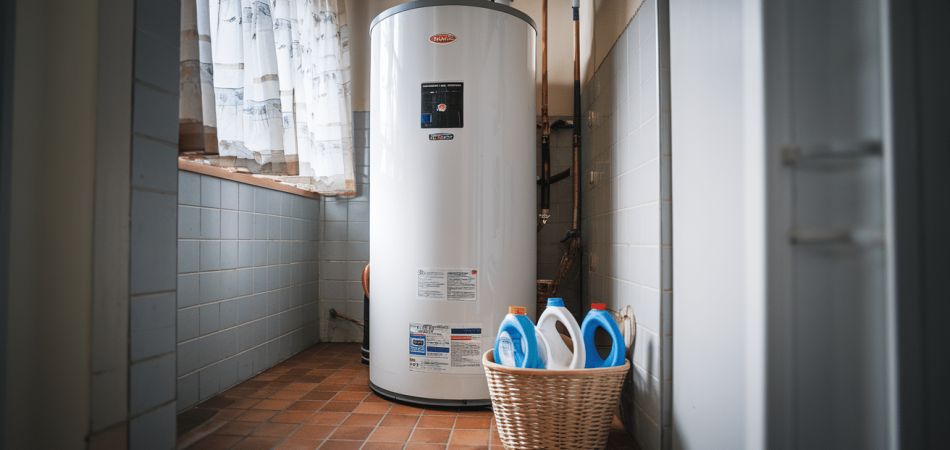
Flushing a tank water heater removes calcium carbonate scale and mineral sediment that reduce heating efficiency and shorten unit lifespan. Knoxville homeowners on KUB municipal water (60–120 ppm hardness) should flush every six months — twice the standard recommendation for soft-water areas. The process: shut off power, close the cold water inlet, attach a garden hose to the drain valve, and flush until water runs clear. Stubborn limescale may require professional descaling or component replacement. Regular flushing protects the anode rod, preserves hot water recovery rate, and extends tank life beyond the typical 8–12 years.
Most Knoxville homeowners know they should flush their water heater periodically, but far fewer understand why the timeline matters more here than in other parts of the country. KUB draws municipal water from Fort Loudoun Lake on the Tennessee River, and after treatment at the Mark B. Whitaker Water Treatment Plant, that water still carries a hardness level between 60 and 120 parts per million. That mineral load, primarily calcium and magnesium carbonate, settles inside your storage tank every time hot water sits. Over time, it compounds into a layer of insulating scale that costs you money in energy, shortens your unit’s lifespan, and degrades hot water output.
At Tennessee Standard Plumbing, our licensed plumbing technicians see the effects of delayed maintenance on water heaters across Knoxville every week. A flushing routine that works in a soft-water city may not be enough for an East Tennessee home on city water. If you want a professional to handle it, schedule a water heater service call with our team. If you want to understand the process yourself, this guide walks through every step.
Knoxville’s municipal water supply is classified as moderately hard, with a recorded hardness of approximately 90 parts per million (5.3 grains per gallon) based on recent water quality data. That hardness level is not extreme by national standards, but it is high enough that mineral precipitation inside a storage tank happens faster than most homeowners expect.
When cold water enters a tank-style water heater, it carries dissolved calcium and magnesium ions in solution. As the water heats, those ions lose their solubility and precipitate out as solid calcium carbonate crystals. This process, called thermal precipitation, is the primary mechanism behind sediment formation in residential water heaters. The higher the water hardness and the higher the thermostat set point, the faster precipitation occurs.
 The precipitated calcium carbonate does not stay suspended in the water column. It settles by gravity onto the tank floor, directly above the lower heating element in electric units or the gas burner assembly in gas-fired units. This accumulation is known as limescale, and it acts as a thermal insulation barrier between the heat source and the stored water.
A scale layer as thin as 3/16 of an inch can reduce heating efficiency by up to 10 to 15 percent, according to industry estimates. Over months and years, that layer thickens into a dense mineral deposit that a simple flush cannot break apart. If your water heater has been making unusual sounds, our guide on why your water heater is making noise explains how trapped sediment contributes to rumbling, popping, and crackling during heating cycles.
Unchecked mineral scale accumulation does more than lower energy efficiency. It accelerates electrochemical corrosion of the tank lining by creating micro-environments where pH and temperature vary from the rest of the stored water. It also stresses the sacrificial anode rod, a magnesium or aluminum alloy component that undergoes preferential corrosion to protect the steel tank.
When sediment buries the lower portion of the tank, the anode rod depletes faster and the tank lining becomes vulnerable. The result is premature tank failure, often years before the unit’s rated service life of 8 to 12 years. Addressing this at the water softener installation level is one of the most effective long-term strategies for protecting your water heater investment.
In Knoxville’s moderately hard water conditions, the standard annual flushing recommendation is not sufficient. Most plumbing professionals recommend flushing a tank water heater every six months for homes supplied by KUB municipal water, and potentially more often for homes with untreated well water.
| Water Hardness (GPG) | Classification | Recommended Flush Interval |
|---|---|---|
| 0 to 3.5 | Soft | Every 12 to 24 months |
| 3.5 to 7 | Moderately Hard (Knoxville range) | Every 6 to 12 months |
| 7 to 10.5 | Hard | Every 4 to 6 months |
| Above 10.5 | Very Hard | Every 3 to 4 months |
Knoxville’s water supply typically falls in the 3.5 to 7 GPG range, placing most homes at a six-to-twelve-month flush cycle. Homes with untreated well water or older cast iron supply lines may see accelerated sediment accumulation and should lean toward the shorter interval. Understanding 7 signs your Knoxville home has hard water can help you assess whether your home’s mineral load is on the higher end of that range.
Several observable symptoms indicate active sediment accumulation worth addressing before the next scheduled flush. Rumbling or popping sounds during heating cycles are the most common, caused by water vapor trapped beneath the sediment layer. Discolored or rust-tinted hot water suggests scale has begun breaking loose from the tank walls.
Longer recovery times, meaning the tank takes more time than usual to reheat after a draw, indicate insulation losses from scale buildup. A noticeable drop in hot water temperature at the fixture, even with the thermostat unchanged, is another reliable indicator of significant sediment accumulation.
A 40-gallon tank cycles water more frequently than an 80-gallon unit, which means mineral load accumulates and concentrates differently across tank sizes. Older units with partially degraded anode rods or interior lining damage are more susceptible to corrosion-driven sediment and benefit from more frequent inspection alongside routine flushing.
A unit approaching the 8-year mark should be evaluated for anode rod condition during the flush. If your current unit is aging and you are weighing replacement options, our guide on how to choose a water heater covers the factors that matter most for Knoxville homeowners.
Flushing a tank water heater is a manageable DIY task for most homeowners, requiring a garden hose, a flat-head screwdriver or drain valve key, and access to a suitable drainage point. Allow 45 to 90 minutes for a thorough flush, plus additional cooling time if the tank has been running recently.
 For electric water heaters, switch off the dedicated circuit breaker at your electrical panel before doing anything else. For gas units, turn the thermostat dial to the “Pilot” setting rather than fully shutting off the gas supply; this prevents the burner from firing while the tank drains. Next, close the cold water inlet valve, typically located on the cold water supply line entering the top of the tank. Open a hot water faucet at a nearby fixture to relieve pressure and allow air into the system, which helps the tank drain smoothly.
The drain valve (also called a boiler drain valve or tank drain cock) is located near the base of the tank. Thread a standard garden hose onto the valve’s male thread and run the hose to a floor drain, laundry utility sink, or a safe outdoor area. Confirm the discharge location can handle hot water, as initial discharge may be near full tank temperature if the unit ran recently. Let the tank cool for at least one hour before draining to minimize burn risk from hot discharge water.
Open the drain valve by turning it counterclockwise. Allow the tank to drain completely. Once flow slows, briefly reopen the cold water inlet to stir up remaining sediment from the tank floor and flush it out. Repeat this cold-water flush cycle two to three times until discharge runs clear rather than cloudy or particulate-laden. Milky-white water indicates dissolved mineral content still in suspension; brown or rust-colored discharge indicates corrosion or heavier sediment. If discharge remains discolored after three full flush cycles, professional evaluation is warranted.
Close the drain valve firmly once the water runs clear, then remove the garden hose. Reopen the cold water inlet and allow the tank to fill completely before restoring power. Keep a nearby hot water faucet open while the tank refills to purge air from the system and prevent air lock. Once a steady, air-free stream flows from the open faucet, close it and restore power or relight the pilot as applicable. Never restore power to an electric water heater until the tank is fully submerged, as running a dry resistance heating element causes immediate element failure.
Standard DIY flushing addresses loose, unconsolidated sediment but has clear limitations when mineral accumulation has progressed beyond routine maintenance thresholds.
Calcium carbonate scale that has fused to the tank floor, heating element housing, or lower tank walls does not flush out with water pressure alone. This type of calcite crystallization requires either chemical descaling with a dilute acid solution (a process best handled by a licensed plumber) or full component replacement. If your tank is producing rumbling sounds even after a complete flush, consolidated scale at the floor is the most likely cause. Water heater repair services address this type of advanced sediment damage alongside drain valve inspection and anode rod evaluation.
 Drain valves on older water heaters are commonly made of plastic and can become brittle, stripped, or seized from mineral deposits after years without use. Forcing a stuck drain valve risks cracking it and creating a slow leak at the valve body. If the valve does not turn freely, do not apply excessive force. A plumber can replace a failed drain valve without requiring full tank replacement, but the tank must be fully drained and the water supply shut off during the repair.
Tankless water heaters require a different descaling process. Rather than draining a sediment-laden tank, tankless units develop limescale within their heat exchanger coil, the compact copper or stainless steel tubing that heats water on demand. Descaling a tankless unit involves circulating a dilute food-grade acid solution through the heat exchanger using a submersible pump and hose kit. This should be performed every 12 months in Knoxville’s moderately hard water conditions. For a deeper explanation of where scale forms and why, how tankless water heaters work walks through the heating cycle in detail.
Flushing your water heater every six months is one of the simplest, highest-return maintenance tasks a Knoxville homeowner can perform. It preserves energy efficiency, protects the sacrificial anode rod, extends the unit’s rated service life, and prevents the kind of gradual performance decline that often goes unnoticed until the tank fails. The process is straightforward when the drain valve is functional and sediment is still loose. It becomes significantly more complicated when maintenance has been deferred for years or when mineral scale has consolidated beyond what a garden hose flush can remove.
If your water heater has not been flushed in over a year, is making unusual sounds, or is approaching the end of its rated service life, Tennessee Standard Plumbing’s team of 50-plus licensed plumbing technicians is ready to help. With more than 1,000 five-star reviews from Knoxville homeowners and a 5.0 Google rating, we bring the experience to assess, flush, and service your water heater correctly the first time. Contact our team or call us at (865) 352-9003 to schedule a service appointment. And if replacement is on the horizon, find out how long a water heater installation takes so you can plan around your schedule.
Knoxville homeowners should flush their tank water heater every six to twelve months due to the city’s moderately hard water supply, which KUB reports at 60 to 120 parts per million. Annual flushing is the minimum; homes with higher mineral loads or untreated well water should flush every six months. A licensed plumber can evaluate your specific sediment accumulation during a service visit.
Unflushed mineral sediment accumulates into a consolidated calcium carbonate layer at the tank floor, creating a thermal insulation barrier that reduces heating efficiency, increases energy costs, and stresses the lower heating element or gas burner. Over time, the sediment accelerates electrochemical corrosion of the tank lining and depletes the sacrificial anode rod faster than normal. The result is premature tank failure, often years before the unit’s rated 8 to 12 year service life.
A standard DIY flush takes 45 to 90 minutes from start to finish, not including initial cooling time if the tank has been running recently. Allowing the tank to cool for at least an hour before draining is recommended to avoid hot discharge water. Reconnecting and waiting for the tank to fully refill adds another 20 to 30 minutes before power can be safely restored.
Most homeowners can flush a tank water heater themselves if the drain valve is functional and accessible and a suitable drainage point is nearby. The process requires a standard garden hose, basic tools, and attention to the correct sequence for shutting off power before draining. If the drain valve is seized, the discharge remains discolored after multiple flushes, or the tank is making unusual sounds, professional service is the safer option.
The most common signs of sediment accumulation include rumbling, popping, or crackling sounds during heating cycles; longer than normal recovery times after hot water use; discolored or rust-tinted hot water at fixtures; and reduced hot water temperature at the fixture despite an unchanged thermostat setting. Sediment accumulation is not always audible in its early stages, which is why preventive flushing on a schedule is more reliable than waiting for symptoms to appear.
Routine flushing directly extends water heater service life by preventing the consolidated mineral scale and accelerated corrosion that cause premature tank failure. Removing loose sediment before it hardens preserves the tank lining, protects the sacrificial anode rod, and maintains the efficiency of heating components. A properly maintained tank water heater can reach or exceed its rated service life; a neglected one often fails significantly earlier.
Professional water heater flushing in the Knoxville area typically costs between $75 and $200, depending on the plumbing company, tank size, and any additional services performed during the visit such as anode rod inspection or drain valve replacement. Bundling a flush with an annual plumbing inspection can reduce the per-service cost. Tennessee Standard Plumbing provides transparent pricing with no surprise fees.
Hard water accelerates mineral scale accumulation inside storage tanks and heat exchanger coils, reducing efficiency, increasing energy costs, and shortening equipment lifespan. Homes in moderately hard water areas like Knoxville should flush water heaters more frequently than the standard annual recommendation and consider a whole-home water softener to reduce mineral load across all plumbing fixtures and appliances. Reducing water hardness through ion exchange softening can significantly slow scale formation and lower long-term maintenance costs.
Yes. Tankless water heaters do not have a sediment-holding tank, so the standard drain-and-flush procedure does not apply. Instead, descaling a tankless unit requires circulating a dilute food-grade acid solution through the heat exchanger coil using a pump flush kit. This process removes limescale from the narrow coil passages where hard water minerals accumulate and should be performed every 12 months in Knoxville’s moderately hard water conditions.
If discharge water remains cloudy, brown, or particulate-laden after two to three complete flush cycles, the tank likely contains consolidated scale deposits or advanced corrosion that cannot be cleared by flushing alone. Brown or rust-colored discharge may indicate a compromised tank lining or a depleted sacrificial anode rod. In either case, a licensed plumber should inspect the unit to determine whether professional descaling, component replacement, or full tank replacement is the most appropriate next step.


Key Takeaways Basic drain cleaning in Knoxville typically costs between $125 and $350 for a single accessible drain, with most jobs fallin... Read More

Winterizing a backflow preventer in Knoxville means shutting off the water, draining the system, opening test cocks, setting valves at 45°, and ins... Read More

Chemical drain cleaners are popular for their perceived speed and convenience, but they often act as a "silent killer" for home plumbing systems in... Read More