
How Does a Plumber Find an Underground Water Leak?
An underground water leak happens when pipes under the soil break, crack, or wear out. These leaks are hidden, so they are not easy to see with the... Read More

Same-Day Service Available
Need a Plumber in Knoxville? We’re Ready to Help!




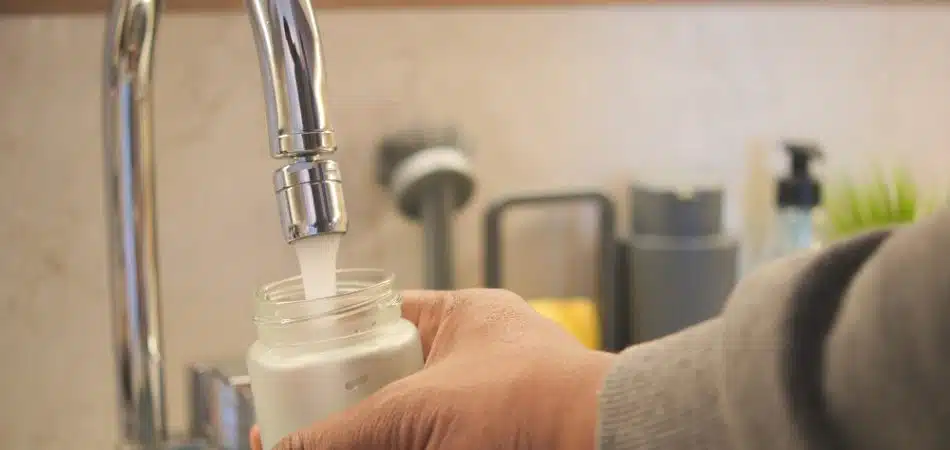
Knoxville is situated within the Appalachian watershed, meaning local water utility boards (like KUB) supply the area with moderately hard to hard water. As it travels through the ground, water collects calcium and magnesium. Over time, these minerals cause noticeable issues around your home.
If your showerhead is coated in a white crusty film, your dishes look spotted right out of the dishwasher, or your skin feels tight and dry after every shower, your water supply is likely to blame. These are all classic signs of hard water, and they are far more common in Knoxville homes than most people realize.
Hard water forms when water absorbs calcium and magnesium as it moves through underground rock layers. In East Tennessee, the limestone-heavy geology around the greater Knoxville area contributes to elevated mineral content in both municipal water from KUB (Knoxville Utilities Board) and private well water in outlying communities like Maryville, Oak Ridge, Lenoir City, and Clinton. KUB officially reports Knoxville’s municipal water hardness between 60 and 120 PPM, placing it in the moderately hard range, though real-world levels can vary by neighborhood and pipe age.
At Tennessee Standard Plumbing, our licensed technicians work with Knoxville homeowners every day to identify and resolve hard water issues before they cause lasting damage to pipes, appliances, and fixtures. If several of the signs below sound familiar in your home, our water treatment services can help. Contact us to schedule an evaluation online today.
Hard water contains dissolved calcium and magnesium at levels high enough to cause noticeable effects on plumbing, fixtures, and everyday household tasks. The mineral content comes from the geology the water travels through before reaching your tap.
Limestone and dolomite rock formations are widespread throughout the Tennessee Valley and the greater Knoxville area. As water filters through these mineral-rich formations, it dissolves calcium carbonate and magnesium compounds along the way. KUB draws Knoxville’s water from Fort Loudoun Lake, a reservoir on the Tennessee River, treating it at the Mark B. Whitaker Water Treatment Plant, but the calcium and magnesium naturally present in East Tennessee’s geology remain at measurable levels after treatment is complete.
Water hardness is measured in parts per million (PPM) or grains per gallon (GPG). According to the Water Quality Association, soft water falls below 60 PPM (3.5 GPG). Moderately hard water ranges from 61 to 120 PPM (3.5 to 7 GPG). Hard water sits between 121 and 180 PPM (7 to 10.5 GPG), and very hard water exceeds 180 PPM. A professional water quality test is the only accurate way to know your home’s exact hardness reading.
Homes in Knox, Blount, Anderson, and Union County communities that rely on private wells often see higher mineral content than KUB customers because well water bypasses municipal treatment entirely. Depth of the well, surrounding rock type, and seasonal groundwater fluctuations all affect hardness levels. If your home is on well water, your hardness could be significantly above what KUB’s published range would suggest.
 Limescale, the white or yellowish crusty coating left behind when hard water evaporates, is one of the most recognizable hard water indicators. It collects around faucet aerators, showerhead nozzles, fixture bases, and along tile grout lines. Limescale is composed almost entirely of calcium carbonate, the same mineral that forms limestone rock.
Regular cleaning removes surface deposits temporarily, but if the white buildup reappears within days, water hardness is the root cause, not your cleaning products.
Hard water reacts chemically with soap and shampoo to form an insoluble residue called soap scum. Unlike ordinary dirt, soap scum bonds to porcelain, tile grout, and glass shower doors in a layer that standard bathroom cleaners struggle to remove. The harder the water, the faster and thicker soap scum builds up.
If your shower walls develop a gray-white haze between cleanings despite regular scrubbing, the problem is your water chemistry, not your cleaning routine.
Dishes and glasses washed in hard water come out spotted or hazy because dissolved calcium and magnesium minerals are deposited on surfaces as the rinse water dries. This happens in both dishwashers and handwashing, and it affects stainless steel cookware and nonstick surfaces, too. Switching dish soap brands or adjusting your dishwasher settings rarely solves the problem because the minerals are in the incoming water supply, not the machine.
Calcium and magnesium in hard water prevent soap from rinsing cleanly off your skin, leaving a thin layer of soap residue behind after you shower. That residue blocks pores, disrupts the skin’s natural acid mantle, and interferes with normal moisture retention.
The result is skin that feels dry, tight, or itchy immediately after washing, regardless of what soap or body wash you use. People with eczema or sensitive skin often notice a noticeable worsening of their symptoms when exposed to hard water consistently.
Shampoo performs poorly in hard water because calcium ions bind with the active cleansing agents and reduce their ability to lift oils and residue from hair strands. This leaves mineral deposits and soap film on the hair shaft, making hair look flat, feel weighted down, and resist producing a thick lather.
Over time, accumulated mineral deposits can make hair more brittle and prone to breakage. If switching shampoos and conditioners repeatedly hasn’t made a noticeable improvement, test your water before buying another product.
Washing clothes in hard water causes minerals to react with laundry detergent, reducing its cleaning effectiveness. Fabrics washed repeatedly in hard water accumulate mineral deposits in their fibers, causing them to feel stiff and rough instead of soft. White fabrics develop a gray or yellowish tint over repeated wash cycles, and the mineral-laden fibers break down faster under normal washing stress. If your towels feel scratchy after washing or your whites always look dingy, hard water is a likely cause.
Mineral scale, the same calcium carbonate that coats your faucets, accumulates on the interior walls of water supply pipes over the years of hard water flow. As scale deposits grow thicker, the effective diameter inside the pipe shrinks, restricting how much water can pass through at once. The result is a slow decline in water pressure that affects multiple fixtures throughout the home at the same time.
If your shower pressure has been declining for months and clearing the showerhead nozzles provides only temporary relief, scale buildup inside your home’s water piping is likely contributing to the problem.
 Scale settles at the bottom of tank-style water heaters and coats the heating elements of tankless units. This insulating layer forces the heating system to run longer and work harder to reach target temperatures, increasing energy consumption and accelerating component wear.
Homeowners often hear rumbling, popping, or banging from a tank water heater, which is the sound of water heating beneath a layer of settled mineral sediment. Addressing hard water before water heater damage becomes severe can add years to the unit’s operating life.
Calcium deposits clog water inlet valves, coat heating elements, and block spray nozzles in dishwashers and washing machines. Ice makers, coffee makers, and even refrigerator water lines are all susceptible to the same gradual blockage. Replacing appliances one at a time without addressing the water supply is an ongoing expense. Installing a whole-home water filtration system stops scale from forming at the source and protects every water-using appliance in your home at once.
If several of these signs sound familiar, your home almost certainly has a hard water problem worth addressing. The good news is that hard water is fully treatable, and the right solution can protect your plumbing and appliances for years to come.
The most widely recommended treatment for Knoxville homes is a salt-based water softener, which removes calcium and magnesium through a process called ion exchange, replacing those minerals with trace sodium ions. For households where sodium intake is a concern, pairing a water softener with a reverse osmosis drinking water system provides purified water at the kitchen tap alongside softened water throughout the rest of the home. The best combination depends on your home’s hardness reading, pipe layout, and daily water use.
Tennessee Standard Plumbing’s licensed technicians serve Knoxville and surrounding East Tennessee communities, including Maryville, Oak Ridge, Lenoir City, Clinton, and Andersonville. We test your water, recommend the right treatment system for your home’s specific conditions, and handle the full installation from start to finish. Contact Tennessee Standard Plumbing today or call (865) 352-9003 to schedule a water quality evaluation.
KUB’s official reporting places Knoxville’s municipal water hardness between 60 and 120 PPM, which falls in the moderately hard range by Water Quality Association standards. Hardness levels can vary by neighborhood, service line age, and distance from the treatment source. Homes on private well water in surrounding East Tennessee communities may see higher readings depending on local geology.
Hard water in Knoxville forms when water absorbs dissolved calcium and magnesium from the limestone and dolomite rock formations that are common throughout East Tennessee’s geology. KUB draws water from Fort Loudoun Lake, a reservoir on the Tennessee River, and treats it at the Mark B. Whitaker Water Treatment Plant, but the mineral content from the region’s bedrock remains present at measurable levels after treatment.
A professional water quality test is the most accurate method. A licensed plumber can measure hardness in grains per gallon or PPM, along with other water quality parameters specific to your tap. At-home test strips available at hardware stores provide a rough estimate but are not as precise as a professional evaluation.
A salt-based water softener is the most effective whole-home solution. It removes calcium and magnesium through ion exchange and prevents scale from forming in pipes and appliances. For households wanting purified drinking water alongside softened household water, pairing a water softener with a reverse osmosis system at the kitchen sink is the most complete setup.
Water softener installation cost in Knoxville depends on the unit’s grain capacity, the brand, and the complexity of the plumbing hookup. A licensed plumber can provide an accurate estimate after testing your water hardness and reviewing your home’s plumbing layout.
Yes. Mineral scale builds up on the interior walls of water supply pipes over time, narrowing the flow area and restricting water pressure. In older homes with galvanized steel or copper pipes, which are common in East Tennessee’s aging housing stock, significant scale accumulation can develop within a few years of consistent hard water exposure.
Yes. Scale settles on the tank floor of tank-style water heaters and coats the heating elements of tankless units, forcing the system to work harder and use more energy to heat water. Regular tank flushing and descaling extend a water heater’s lifespan, but treating the water at the source with a softener prevents new scale from forming in the first place.
No. Standard pitcher filters and carbon block filters reduce chlorine, chloramines, and some organic compounds, but they do not remove calcium or magnesium. Fixing hard water requires an ion exchange water softener, a salt-free conditioner, or a whole-home system specifically designed to reduce mineral content.
Yes. Hard water prevents soap and shampoo from rinsing completely off the skin and hair, leaving behind mineral deposits and soap residue. This residue blocks pores, disrupts the skin’s natural acid mantle, and interferes with normal moisture retention. Many people report a noticeable improvement in skin feel and hair texture within a few weeks of switching to softened water.
Rumbling, popping, or banging sounds from a tank-style water heater are a common indicator of mineral scale settled on the tank floor. Longer heating times, reduced hot water output, and unexpectedly higher energy bills can also signal scale buildup on the heating element. A licensed plumber can inspect and flush your water heater to assess how much scale has accumulated.


An underground water leak happens when pipes under the soil break, crack, or wear out. These leaks are hidden, so they are not easy to see with the... Read More
A drain smell in your Knoxville home is your plumbing system's way of flagging a problem. The most common causes include a dry or dirty P-trap, bio... Read More
Most planning mistakes with whole-home water filtration in Knoxville come down to skipping a water test, sizing a system for the house instead of t... Read More