
Same-Day Service Available
00
Hrs
00
Mins
00
Secs
Need a Plumber in Knoxville? We’re Ready to Help!
Same-Day Service Available
Need a Plumber in Knoxville? We’re Ready to Help!
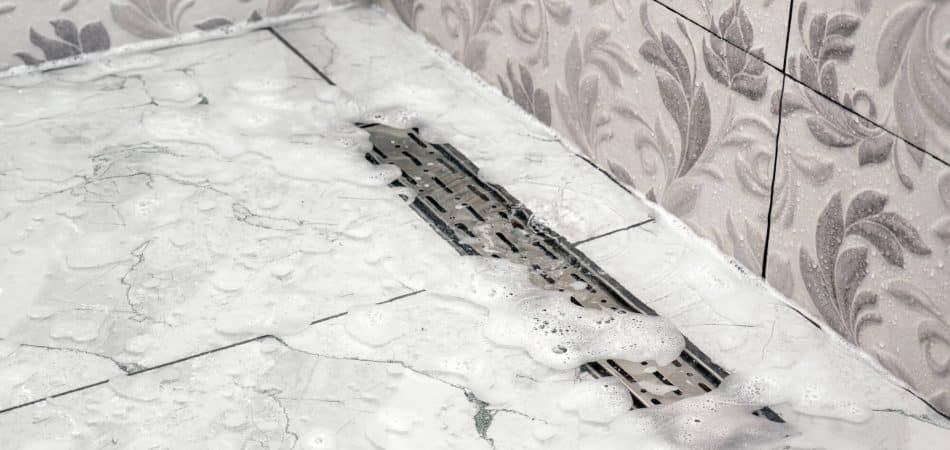
Slow drains in Blount County homes are most commonly caused by hair and soap scum in bathroom drains and grease or food buildup in kitchen drains. In older properties, tree root intrusion into sewer lines is a frequent culprit. Homewide drainage problems may point to clogged plumbing vents or poor pipe installation.
If you’ve noticed water pooling in your shower, a kitchen sink that drains at a crawl, or a bathroom basin that takes forever to empty, you’re not alone. Slow drains are one of the most common plumbing complaints among Blount County homeowners, and they’re almost never just a minor inconvenience.
Left unaddressed, they tend to get worse, and what starts as a sluggish sink can turn into a full-on blockage or a sign of something more serious deeper in your plumbing system. At Tennessee Standard Plumbing, we see slow-drain issues across the area every day, and we’re here to help you understand what’s really going on and when it’s time to call a professional.
If your drains are giving you trouble right now, contact us, and we’ll get someone out to diagnose the problem fast!
Most slow drains trace back to a handful of root causes. Understanding which one is affecting your home can help you decide whether it’s a quick fix or something that needs professional attention.
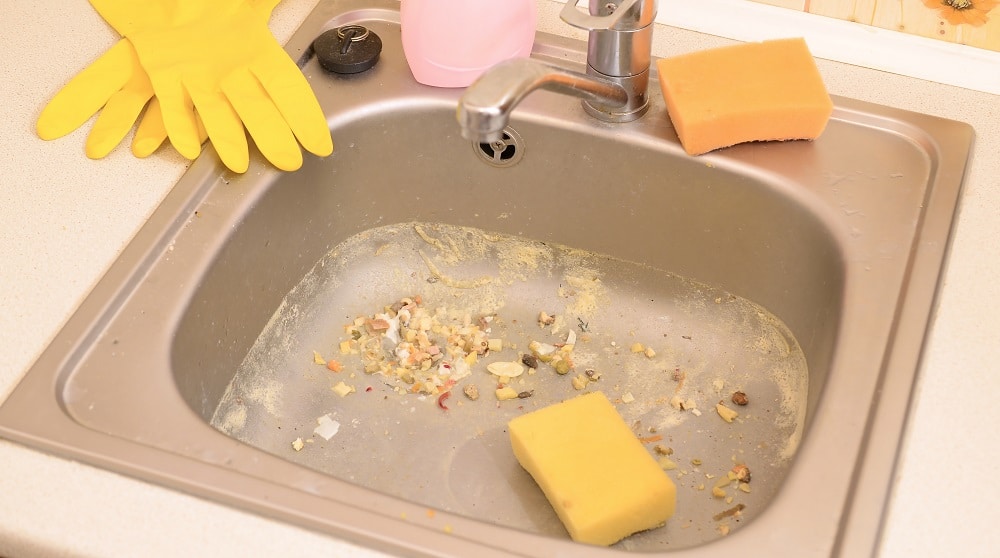 Hair and soap scum buildup is the leading culprit in bathroom drains. Every shower washes hair, skin cells, and soap residue down the drain, where it gradually accumulates on pipe walls. Over time, this sticky combination narrows the pipe opening and slows flow to a trickle. It’s especially common in homes with multiple people sharing a single bathroom.
Grease and food debris are equivalent problems in kitchen drains. Even when you rinse dishes under hot water, grease cools and solidifies on the inside of pipes. Coffee grounds, starchy foods, and fibrous vegetables make matters worse. Many homeowners don’t realize that what goes down the drain doesn’t always keep going; a lot of it sticks.
Mineral scale from hard water is a factor that’s easy to overlook but particularly relevant in this part of Tennessee. The water supply in and around Blount County carries dissolved minerals, primarily calcium and magnesium. Over years of use, these minerals build up as a hard, chalky scale on the inside of pipes, narrowing the passage and reducing flow. It can affect not just drains but your water lines overall, which is worth keeping in mind if you’ve also noticed lower water pressure. This connects to a broader issue of how mineral buildup affects water flow over time.
Blocked or failing drain vents are a less obvious but frequently overlooked cause. Your drain system relies on vent pipes that extend through the roof to allow air into the plumbing, which keeps water flowing freely. When those vents become clogged with leaves, debris, or even bird nests, something that happens regularly with the tree coverage common across Blount County properties, drains begin to gurgle and slow down. You might also notice a faint sewer smell, which is another telltale sign.
Beyond what happens inside the home, the condition of the pipes underground plays a major role. Blount County has a lot of established neighborhoods with older housing stock, and many of those homes still have original drain lines that have been in the ground for decades.
Tree roots naturally seek out moisture, and even a hairline crack in a drain or sewer line is enough for roots to find their way in. Once inside, they grow and spread, eventually causing partial or complete blockages.
If your slow-drain problem seems to affect multiple fixtures at once, say, both the tub and the toilet are sluggish, that’s often a sign the issue is in the main sewer line rather than a single fixture’s drain. It’s very important to know why this pattern matters and why repeated drain clogs often signal sewer problems.
Clay and cast iron pipes installed in older homes are susceptible to cracking, corrosion, and internal scale buildup that modern materials resist. As these pipes deteriorate, their interior surfaces become rough and irregular, which catches debris more easily and slows drainage. In severe cases, the pipe has partially collapsed, which no amount of drain cleaning will fix permanently.
This is why a video camera inspection is so valuable when slow drains keep returning. It lets a plumber see exactly what’s happening inside the line rather than guessing. Our sewer camera inspection service is one of the most effective tools for diagnosing drain problems that don’t respond to standard clearing methods.
Many homeowners reach for a bottle of liquid drain cleaner or a basic plunger when a drain slows down. These approaches sometimes provide short-term relief, but they rarely get to the root of the problem, and chemical drain cleaners can actually damage older pipes with repeated use.
The reason DIY fixes tend to fail is simple: they address the symptom, not the source. If the real issue is mineral scale hardened onto the inside of your pipes, a chemical cleaner won’t dissolve it. If the problem is a tree root intrusion or a partial pipe collapse, no plunger is going to fix that. And if a clog has formed deep in the drain line beyond where a standard snake can reach, you’ll likely clear just enough to restore some flow temporarily before the same material re-accumulates.
Professional drain cleaning goes much further. Hydro jetting, for example, uses high-pressure water to scour the interior of pipes clean—removing grease, scale, and debris from the full diameter of the pipe rather than just punching a hole through a clog. It’s a significantly more thorough solution for drains that keep slowing down despite repeated at-home attempts.
Not every slow drain looks the same, and some patterns are more urgent than others.
Here are the signs worth paying attention to:

Any of these symptoms warrants a professional inspection rather than a wait-and-see approach.
Prevention is far more affordable than repair, and a few consistent habits go a long way:
These steps won’t eliminate every drain issue, but they substantially reduce the frequency of clogs and extend the life of your plumbing.
The short answer is sooner than most homeowners do. If a drain has been slow for more than a week or two and isn’t responding to basic clearing, there’s likely a buildup or structural issue that needs professional tools to resolve properly.
At Tennessee Standard Plumbing, we serve Blount County and the greater Knoxville area with honest, upfront pricing and licensed Maryville plumbers who diagnose problems accurately the first time. Whether it’s a straightforward drain cleaning or a more involved sewer line inspection, our team is equipped to get to the bottom of it.
If slow drains have been bothering you, reach out to us today, and we’ll schedule a service visit that works for your schedule!
Yes. Many established neighborhoods in Maryville, Alcoa, and other parts of Blount County have homes built decades ago with original cast iron or clay drain pipes. These older materials are more prone to corrosion, scale buildup, and root intrusion, all of which contribute to slow drains over time.
The hilly and varied terrain in parts of Blount County can affect how drain lines are graded and installed. Poor pipe slope due to soil shifting over time can cause water to move too slowly through the line, allowing debris to settle and accumulate rather than flush through completely.
Homes in wooded areas near the foothills tend to have more leaf debris, twigs, and wildlife activity around rooftop vent pipes. Blocked vents are a common but often overlooked cause of slow drains and gurgling sounds throughout the home.
Look for a licensed plumber who serves the Blount County area, has verifiable local reviews, and uses diagnostic tools like video camera inspections rather than guessing. Tennessee Standard Plumbing serves Maryville and the surrounding Blount County communities with licensed technicians and upfront pricing.
Properties near waterways in Blount County can experience higher soil moisture levels, which accelerate pipe corrosion in older metal drain lines and make root intrusion more likely, as tree roots in those areas are more actively seeking moisture.
Same-day Service Available
Mon – Fri: 7:30 am – 5:00 pm