
Same-Day Service Available
00
Hrs
00
Mins
00
Secs
Need a Plumber in Knoxville? We’re Ready to Help!
Same-Day Service Available
Need a Plumber in Knoxville? We’re Ready to Help!
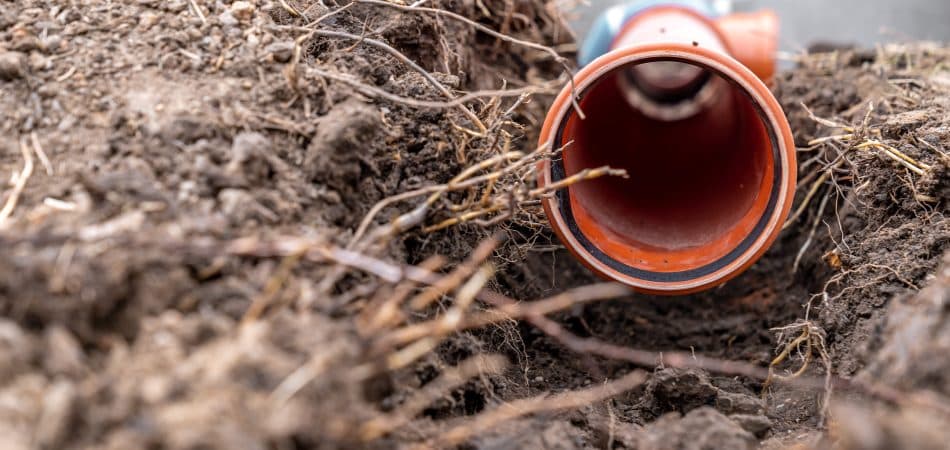
Yes, tree roots can cause serious damage to drain and sewer lines in Maryville, TN. Drawn by the moisture and nutrients inside pipes, roots can infiltrate even small cracks, leading to blockages, leaks, or complete pipe collapse. Older pipes, which are common in many homes, are especially at risk and often need prompt professional repair.
Homeowners in Maryville, TN, often overlook one hidden threat to their plumbing system: tree roots. While trees enhance the beauty of your yard, their roots can extend far underground and interfere with drain lines, causing slow drains, backups, or even structural damage.
At Tennessee Standard Plumbing, our plumbing team has helped numerous homeowners address root intrusion issues and restore proper flow to their drain lines.
If you’ve noticed recurring drain problems or suspect tree roots may be affecting your pipes, contact us today for a professional inspection.
Tree roots grow in search of water and nutrients, and drain lines provide both. Over time, roots can infiltrate pipes through tiny cracks, loose joints, or deteriorating sections. The type of pipe material and its age play a significant role: older clay or cast iron pipes with weak joints are particularly vulnerable.
Once inside, roots grow steadily, restricting water flow and potentially causing clogs or pipe damage. In Maryville, where mature landscaping is common, this is a frequent source of plumbing issues.

Detecting root intrusion early can save significant repair costs.
Common indicators include:
Not all pipes are equally resistant to root damage.
Understanding your pipe type can help anticipate potential problems and plan preventive maintenance.
Tree roots can affect your plumbing in multiple ways. They may block water flow, causing slow drains and backups.
The growing roots can exert pressure inside the pipe, leading to cracks or split pipes. They can also separate pipe joints, resulting in leaks and misalignment.
Over time, the leaking water saturates the surrounding soil, which can destabilize your yard or even affect your foundation.
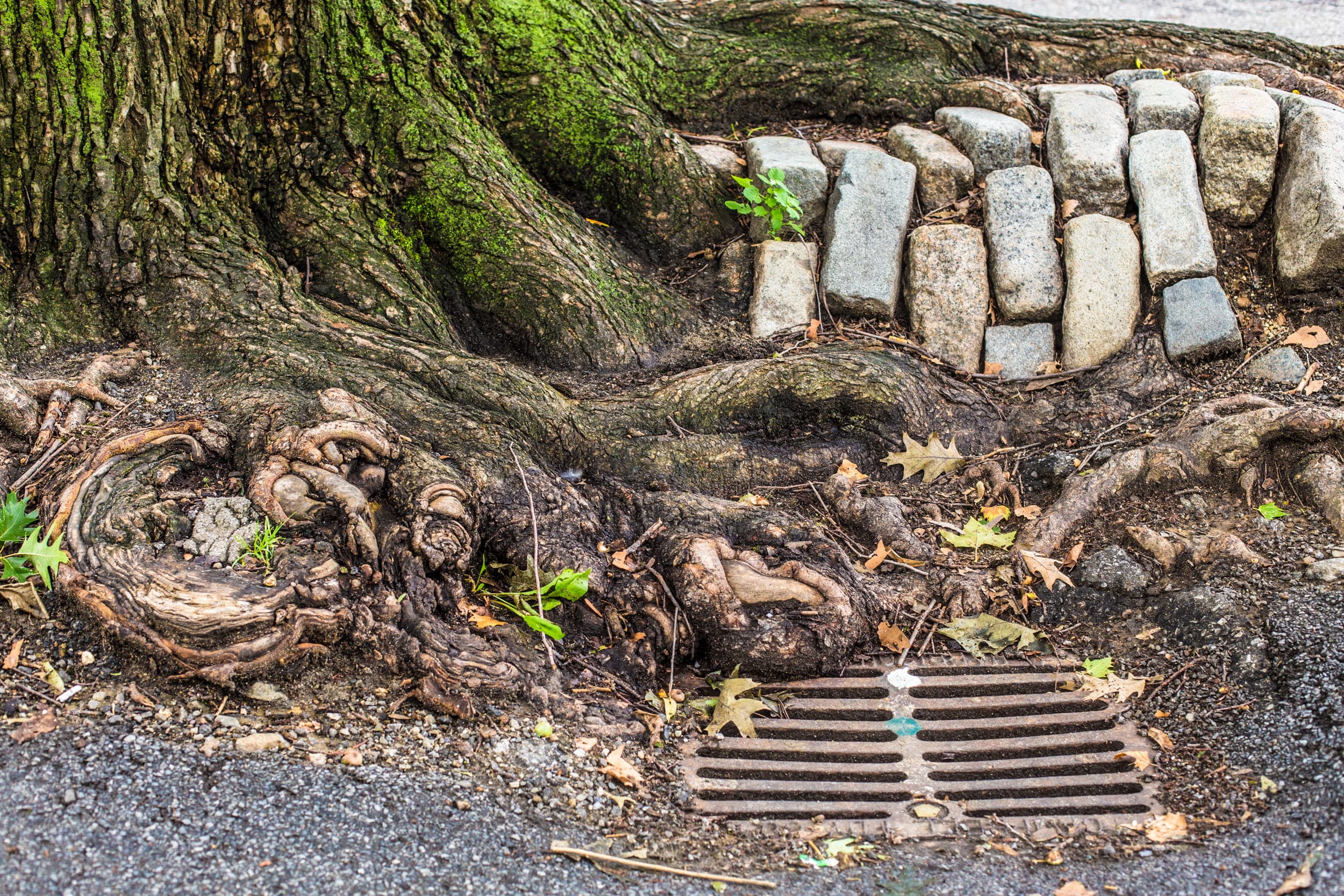 Yes. Some trees have aggressive root systems that actively seek moisture:
These species are more likely to infiltrate drain lines, especially when planted close to a home. Trees with shallower root systems, such as ornamental shrubs or fruit trees, generally pose less of a threat but should still be monitored.
Prevention is always easier than repair. Planting trees at a safe distance from drain lines, installing root barriers, and scheduling regular plumbing inspections can significantly reduce the risk of root intrusion. Some homeowners also use chemical root control to slow down growth in problem areas.
Additionally, trenchless pipe lining is a modern solution that can repair pipes and prevent root intrusion without extensive digging. This method protects your property while restoring proper flow through the drain lines.
If roots have already entered the pipes, professional solutions are necessary. Our plumbing team in Maryville may recommend:
Selecting the right approach depends on the severity of the intrusion, the pipe material, and the homeowner’s long-term goals.
Inspection frequency varies depending on pipe type, age, and proximity to trees. Homes with older clay or cast iron pipes should be inspected annually. Properties with high-risk trees nearby may benefit from semi-annual inspections, while newer homes with modern pipes might only need checks every two to three years. Regular inspections help catch root intrusion before it becomes a major problem.
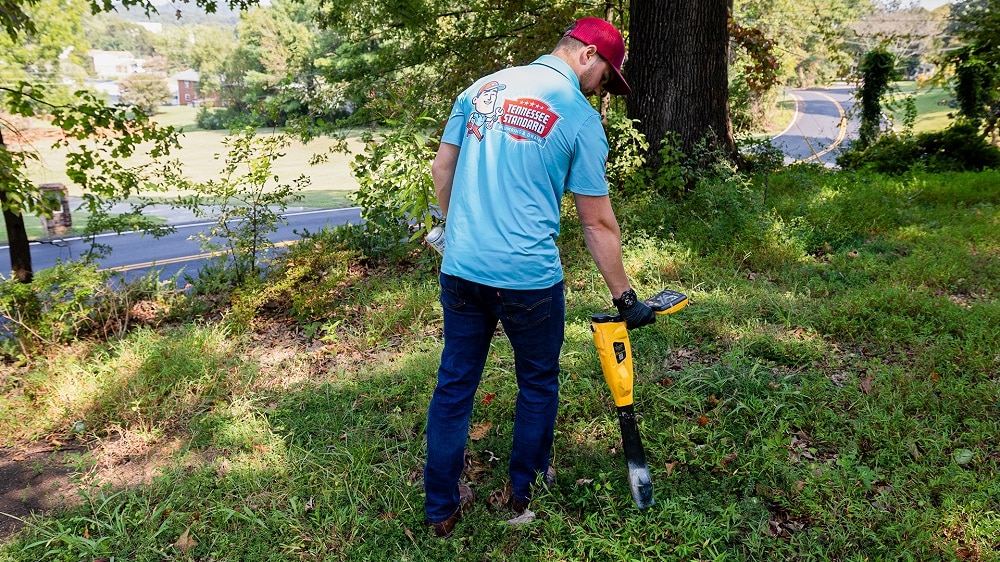 Tree roots in drain lines are difficult and risky to handle without the proper tools. Our professional plumbers in Maryville can provide accurate diagnoses using video camera inspections, remove roots safely, and recommend long-term solutions like trenchless pipe repair or root barriers.
In Maryville, local expertise is especially valuable because our plumbing team understands soil conditions, pipe materials, and local tree species that contribute to root problems.
At Tennessee Standard Plumbing, we combine experience and advanced equipment to restore drains efficiently, minimizing disruption to your property.
Tree roots may seem harmless, but underground, they can threaten your plumbing and property. Proactive measures, including smart landscaping, regular inspections, and professional intervention, are essential to prevent costly repairs.
If you suspect root intrusion in your drain lines or want to prevent future problems, contact us today. Our plumbing team offers expert inspections, root removal, and repair solutions tailored to your home, keeping your drains flowing smoothly and your property safe!
Yes. Loose, moist soils make it easier for roots to spread underground. Clay-heavy soils can slow root movement but may crack pipes as roots grow toward moisture.
Absolutely. Planting water-seeking trees near sewer or drain lines increases risk. Using deep-rooted species or maintaining a safe distance reduces the chance of intrusion.
Yes. Roots don’t respect property lines. If a tree from a neighboring yard has aggressive roots, it can infiltrate your shared sewer lines, causing clogs or leaks.
Professional plumbers use video camera inspections to detect roots inside pipes. This non-invasive method allows accurate assessment without disturbing your yard.
When applied by professionals, chemical root treatments are designed to target roots inside pipes while minimizing environmental impact. Improper use, however, can harm nearby plants or soil.
Repair time depends on the method and severity. Mechanical removal may take a few hours, while trenchless pipe replacement or extensive repairs can take a day or more. Scheduling an inspection helps estimate timing accurately.
Same-day Service Available
Mon – Fri: 7:30 am – 5:00 pm