
Same-Day Service Available
00
Hrs
00
Mins
00
Secs
Need a Plumber in Knoxville? We’re Ready to Help!
Same-Day Service Available
Need a Plumber in Knoxville? We’re Ready to Help!




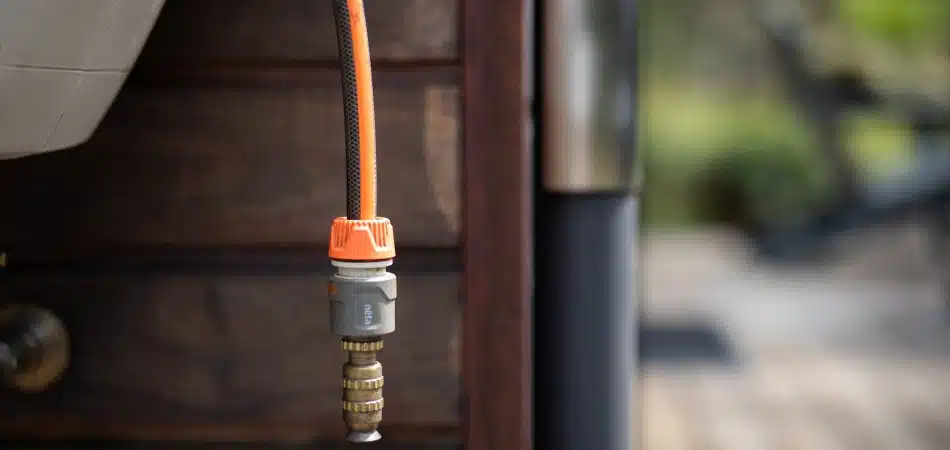
To quickly winterize your plumbing, disconnect outdoor hoses, drain hose bibs, and insulate exposed exterior pipes in crawl spaces and along garage walls. During freezing weather, open kitchen and bathroom cabinet doors on exterior walls to allow warm air to circulate around the supply lines. Keep your thermostat set to at least 55°F and leave faucets dripping a pencil-thin stream if temperatures drop into the low 20s, which is the documented freeze-risk threshold for residential pipes in unheated spaces.
The thing about East Tennessee cold snaps is that they are short, sharp, and bracketed by mild days that lull people into ignoring them. A Knoxville homeowner can wake up to a 58°F Tuesday morning and a 7°F Friday morning in the same week. That happened the week before Christmas in 2022, when McGhee-Tyson hit 4°F and wind chills bottomed out near 25 below zero. Pipes that survived 15 winters split open in the span of one bad night.
The good news is that almost every burst pipe story comes from one of the same dozen oversights. The bad news is that the list of fixes only matters if you work through it before the temperature drops, not after the alert hits your phone. This guide walks you through the entire house in the order you should do the work, plus what to do in the hours before, during, and after a freeze event.
Standard winter weather across the Tennessee Valley sits in the 30s and 40s, with overnight lows dipping into the 20s a handful of times per month. That is not a cold snap. A cold snap, in plumbing terms, is any 24- to 48-hour stretch where the outside temperature stays below 20°F continuously. Building Research Council data at the University of Illinois identifies 20°F as the documented freeze risk threshold for residential plumbing in unheated spaces, and that threshold is the right one to plan around.
Knoxville sees three to five of these events in a typical winter, usually clustered in late December through mid-February. Severe events are rarer but not unheard of. The McGhee-Tyson station recorded a low of negative 24°F on January 21, 1985, which remains the all-time Knoxville record. The December 2022 polar vortex pulled lows to 4°F across the valley and froze pipes from Sevier County to Anderson County. Planning for the average winter is not enough. The job is to be ready for the worst night of the worst week.
Outdoor plumbing fails first because it has the least protection from the cold, and the consequences of those failures travel back into the home through exterior walls. Start here on a 50°F November afternoon, before the first hard freeze ever shows up on a forecast.
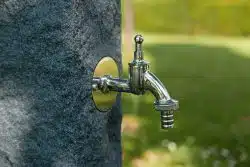 Disconnect every garden hose from every outdoor faucet. A connected hose traps water in the spigot and the short section of pipe behind it, and that water freezes first when temperatures drop. Drain each hose fully and coil it indoors for the winter. Then open each outdoor faucet to drain residual water, close it, and install a foam faucet cover from any Knoxville hardware store.
Older Knoxville homes with non-frost-free spigots benefit from shutting off the interior supply valve that feeds each outdoor faucet, then opening the spigot outdoors to drain the line. Newer homes with frost-free hose bibs are designed to drain automatically when the handle is closed and the hose is removed, but only if both conditions are actually met.
Sprinkler systems need to be drained and shut down before the first hard freeze. Most residential systems can be winterized by closing the main isolation valve and opening each zone manually to release pressure. Compressed-air blowout is the more thorough method and is best handled by an irrigation contractor or a licensed plumber. Pool and spa plumbing should be drained or maintained at running temperatures throughout the cold season per the manufacturer’s instructions.
A large share of Knoxville homes sit on a crawlspace foundation, and a large share of cold-snap burst pipes happen in those crawlspaces. The combination of exposed supply lines, vented foundation walls, and zero residential heat below the floor is the worst-case scenario for sustained low temperatures.
Close every foundation vent before the first hard freeze. The vents serve a moisture-management purpose during humid months, but during winter, they let cold air circulate directly around your supply lines. Manual vent covers slide into place in seconds. Automatic temperature-sensing vents are a nicer one-time investment for homeowners who do not want to remember the seasonal switch.
Wrap every exposed pipe in the crawlspace with foam pipe insulation. The black or gray pre-slit foam sleeves at any hardware store slip on in under a minute. Use the 3/4-inch sleeves for 1/2-inch and 3/4-inch supply pipes and the 1-inch sleeves for larger lines. Seal seams and joints with foil tape rather than duct tape, which dries out and falls off in cold weather.
Pipes that have frozen before, pipes running directly against an exterior foundation wall, and pipes near foundation vent openings benefit from UL-listed self-regulating heat tape under the insulation. Heat tape plugs into a standard outlet and only draws power when the pipe temperature drops below a built-in threshold. Never use heat tape over insulation or wrap it on itself, and never use the cheap non-regulating “constant wattage” type for residential supply lines.
Interior plumbing fails less often than crawl space plumbing, but the failures happen behind drywall and create the biggest damage bills when they do. Three small changes during a cold snap drop the indoor freeze risk substantially.
Open the cabinet doors under every sink that sits on an exterior wall. The warm air from the room then reaches the supply lines that run inside the cabinet. This matters most for kitchen sinks on outside walls and for bathroom vanities in additions or bonus rooms that were built later than the original house.
Set the thermostat to no lower than 55°F at all times during winter, including when no one is home. Programmable setbacks that drop the temperature into the 40s while you sleep or travel are the single most common cause of preventable burst pipes in finished homes.
Let a pencil-lead-thin stream of cold water drip from the faucet farthest from your incoming water main during sustained temperatures below 20°F. Moving water does not freeze as easily as standing water. The trickle adds a few cents to your KUB bill across one or two cold nights and saves the cost of a burst pipe repair on the back end.
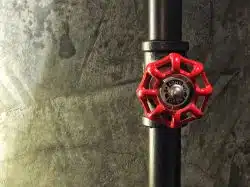 When the National Weather Service starts warning of a hard freeze 24 to 48 hours out, run through this short list before nightfall on the last warm day.
Locate your main water shutoff valve and test that it turns. Most Knoxville homes have the main shutoff in the crawlspace, the basement, or near the water heater. If you cannot find it or cannot turn it on, fix that problem now rather than during an emergency at 2 a.m. KUB also has a curb-side meter shutoff if you ever need it.
Walk the perimeter of the house and check every foundation vent, every pipe insulation sleeve, and every outdoor faucet cover one more time. The 2022 December event surprised homeowners who had insulated the obvious pipes but missed the line running to the outdoor laundry hookup or the basement utility sink.
Stock up on flashlights, batteries, drinking water, and any prescription medications. Keep your phone charged. Save the number of a trusted East Tennessee plumber to your contacts before you need it. Our office at Tennessee Standard Plumbing answers cold-snap calls during business hours (Monday through Friday, 7:30 AM to 5:00 PM) at (865) 352-9003, and bookmarking the number now is faster than searching for one with a flashlight and wet socks.
A faucet that produces only a trickle on a freezing morning usually means an ice plug has formed somewhere in the supply line. The pipe has not necessarily burst yet, and your next 30 minutes determine whether it will.
Open the affected faucet to relieve pressure as the ice begins to melt. Move warm air to the suspected freeze location using a hair dryer, a heat lamp, or a space heater set at a safe distance. Never use an open flame, a propane torch, or anything that can cause carbon monoxide buildup in an enclosed space. Work from the faucet end of the pipe back toward the frozen section so that any melted water has somewhere to flow.
If water starts spraying or flooding at any point during thawing, the pipe has cracked. Shut off the main water valve immediately, open every faucet in the home to drain remaining pressure, and call a plumber. Time-wise, a 5- to 10-minute response to a burst pipe is the difference between a wet floor and a $15,000 insurance claim. The same logic applies if you cannot locate the frozen section or if the freeze is in a wall, ceiling, or slab leak detection zone where you cannot see the pipe at all.
Cold snaps that do not produce an obvious failure can still leave hidden cracks that show up days or weeks later when temperatures climb back into the 50s. Walk the house once the thaw arrives.
Check ceilings on the floor below any second-story bathroom for damp spots, sagging, or discoloration. Check the floor around every toilet, sink, and water-heater base for new moisture. Check the crawlspace for puddles, dripping joints, or insulation that suddenly looks wet. Pay attention to water pressure at every fixture, because a slight pressure drop that was not there in November can signal a slow leak that opened during the freeze.
Any of those signs warrants a same-day call to a licensed plumber for pipe leak repair and a follow-up water leak detection visit to find anything hidden behind walls or under flooring. Waiting through one warm week to see if it gets worse is the most expensive choice you can make.
If you would like a pre-winter inspection that covers your crawlspace insulation, exterior shutoffs, and overall freeze readiness, our team handles those visits across Knoxville and Blount County. Request an appointment before the first hard forecast hits.
Pipes in unheated spaces have a documented freeze risk threshold of 20°F, per Building Research Council data at the University of Illinois. Insulated pipes inside heated walls hold up to lower temperatures, while uninsulated pipes in crawl spaces, garages, and exterior walls can freeze at temperatures slightly above the 20°F mark when wind exposure is high.
Most homeowners can complete the basic outdoor and crawl space winterization in a single weekend. Disconnecting hoses, covering outdoor faucets, closing foundation vents, and adding foam pipe insulation in an average crawl space takes 3 to 5 hours of hands-on work. Heat tape installation adds another hour or two per zone.
55°F is the widely recommended minimum, including when no one is home. Programmable setbacks that drop the temperature into the 40s or 50s overnight or during travel are a common cause of preventable burst pipes in finished homes. During an active cold snap, holding the thermostat steady at 60°F or higher is the safer choice.
Foam pipe insulation sleeves are the standard, affordable choice. Choose 3/4-inch wall thickness for 1/2-inch and 3/4-inch supply lines and 1-inch wall thickness for larger lines. Seal seams with foil tape rather than duct tape. For pipes that have frozen previously or that run against an exterior foundation wall, add UL-listed self-regulating heat tape under the insulation.
Open the affected faucet to relieve pressure. Apply warm air using a hair dryer, a heat lamp, or a space heater placed at a safe distance from any combustibles. Never use an open flame, a propane torch, or a kerosene heater inside an enclosed space. Work from the faucet end back toward the frozen section so any melted water has somewhere to flow.
Shut off the main water valve immediately. Open every faucet in the home to drain residual pressure and reduce the volume of water reaching the broken section. Call a licensed plumber. Document the damage with photos before any cleanup begins so insurance has a complete record of the event.
Most homeowners’ policies cover sudden water damage from a burst pipe when reasonable preventive steps were taken before the freeze. Policies usually exclude damage in unheated homes left vacant, homes where the thermostat was turned off, and damage from gradual leaks that were not promptly addressed. Review your specific policy language each fall before the cold weather arrives.
