Same-Day Service Available
00
Hrs
00
Mins
00
Secs
Need a Plumber in Knoxville? We’re Ready to Help!
Same-Day Service Available
Need a Plumber in Knoxville? We’re Ready to Help!




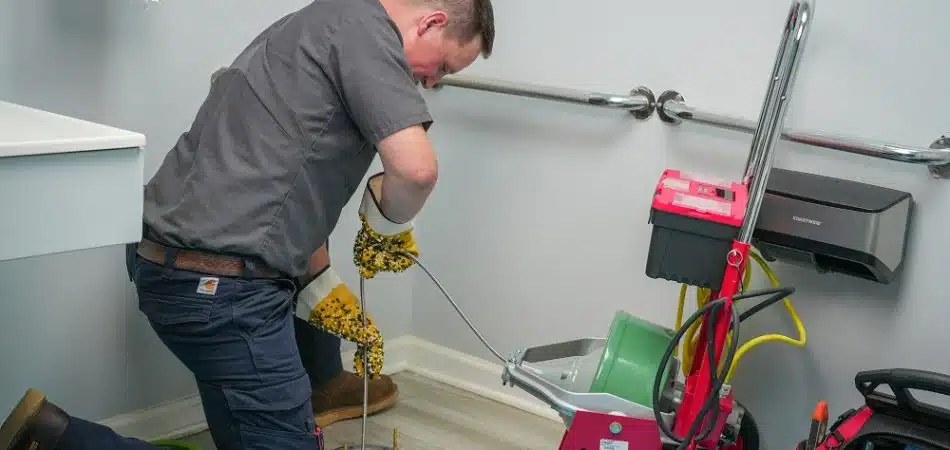
Advanced plumbing tools improve repair accuracy by replacing guesswork with high-precision diagnostics, utilizing non-invasive technology to locate issues, and ensuring secure, long-lasting fixes that reduce callbacks. These innovations, ranging from fiber-optic cameras to smart sensors, allow professionals to identify the exact cause of a problem and implement targeted repairs with minimal damage to the property.
The difference between a plumbing repair that lasts and one that fails often comes down to how the problem was diagnosed. Guesswork leads to missed damage, wasted labor, and fixes that don’t hold up.
Modern diagnostic tools change that. They let plumbers see exactly what’s happening inside your pipes before a single wrench is turned.
At Tennessee Standard Plumbing, our licensed technicians bring advanced diagnostic equipment to every service call. Contact us today to schedule a diagnostic appointment.
Sewer line problems happen underground, out of sight. The challenge has always been figuring out what’s wrong and where without tearing up the yard to find out.
Before sewer cameras, the standard approach was to estimate where the damage might be and start digging. That process was slow, expensive, and often caused more harm than the original problem.
Today, a plumber can feed a small, waterproof camera on a flexible cable directly into your drain or sewer line and watch a live video feed on a monitor. The entire pipe is visible in real time without removing a single shovel of dirt.
Sewer cameras can identify root intrusion, grease accumulation, pipe corrosion, bellied sections where the pipe has sunk, offset joints, and complete line collapses.
They also reveal the type of pipe material. That detail helps determine whether a spot repair or full replacement makes more sense.
Yes. The camera pinpoints the damage, so a plumber can plan a targeted repair instead of excavating an entire yard.
A camera inspection often saves homeowners thousands of dollars in labor and yard restoration.
Hidden leaks are one of the most frustrating plumbing problems a homeowner can face. Water damage can spread through wall cavities, beneath floors, and across ceilings long before anything is visible on the surface.
Electronic leak detection tools locate these leaks from outside the wall, floor, or ceiling.
Professional plumbers use a combination of acoustic sensors, thermal imaging cameras, and moisture meters. Acoustic sensors amplify the sound of water escaping a pipe, even through concrete slabs and finished walls.
Thermal imaging picks up temperature differences caused by moisture behind a surface. Moisture meters measure dampness levels in building materials to confirm the source.
By the time a leak shows as a stain on a wall or ceiling, the water has often traveled far from where the pipe is actually failing. What you see is the result, not the cause.
Electronic detection traces the problem back to its origin. That means the repair addresses the failing pipe, not just the water stain.
Hydro jetting uses a high-pressure stream of water, up to 4,000 PSI, to clean the inside of drain and sewer lines.
That force strips away grease, scale, mineral deposits, soap residue, and even roots that have entered the line.
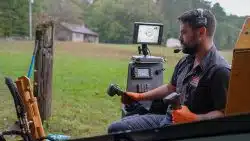 A drain snake pushes a metal cable into the pipe to break through a clog. It restores flow, but it only opens a channel through the center. Residue stays on the pipe walls and attracts new accumulation within months.
Hydro jetting scours the full interior surface. It removes what caused the clog, not just the clog itself. The result is a pipe that stays clear much longer.
It’s safe for most modern residential pipes, including PVC and copper. However, it may not be appropriate for older cast iron, clay, or any pipes that are already cracked or deteriorating.
A camera inspection beforehand confirms the pipe’s condition and helps the plumber choose the right pressure level.
Knowing where your drain lines run is just as important as knowing what’s wrong with them. Older homes may have undocumented tie-ins or abandoned runs that complicate repairs. Underground pipes change direction under slabs, patios, and landscaping with no visible markers above ground.
Electronic line tracing uses a signal transmitter called a sonde that is pushed or pulled through the pipe. A receiver above ground picks up the signal and marks the pipe’s path and depth on the surface.
Breaking ground in the wrong spot can damage utility lines, hardscapes, or other plumbing connections. A verified map of the drain layout keeps the work area small, protects your property, and lowers the total cost of the job.
Each of the tools above solves a different problem, but they work best in combination. A camera inspection identifies the damage. Electronic detection confirms whether moisture has spread beyond the visible area. Line tracing maps the path to the repair site. Together, they give the plumber a complete picture before any physical work begins.
 In most cases, yes. A plumber who already knows the problem, its location, and the pipe’s condition can scope the job accurately from the start. That means fewer surprises, less time on site, and a tighter bill.
A plumber with modern equipment should explain what it does, show you the results, and walk you through your options. You should see the camera footage, understand where a leak was traced to, or review the markout of your underground drains. The goal is clarity, not confusion.
Sewer cameras, electronic sensors, hydro jets, and line tracers each handle a different part of the diagnostic process. When they’re used together, the plumber walks into the repair phase with a clear, verified picture of the problem.
Tennessee Standard Plumbing serves Knoxville and the greater East Tennessee area with licensed technicians, residential plumbing services, and a commitment to getting it right the first time.
Call us today to schedule service.
A plumber feeds a small waterproof camera through your drain line to display the pipe’s interior on a live monitor. It identifies cracks, root intrusion, corrosion, and collapsed sections without breaking ground.
Acoustic sensors, thermal imaging, and moisture meters work together to find hidden leaks under floors, in walls, and beneath slabs. Each tool confirms a different signal so the repair goes to the right place.
Water is pushed through a specialized nozzle at up to 4,000 PSI, stripping grease, scale, roots, and mineral deposits from the pipe walls. Unlike a snake, it cleans the full diameter of the line, which is why clogs are less likely to return.
Yes, it works safely on most modern plumbing materials. The pressure is adjusted based on pipe type and condition. Older or deteriorating pipes may need a gentler approach, which is why a camera check comes first.
A sonde transmitter is pushed through the pipe while a receiver above ground tracks the signal. The receiver maps the pipe’s path and depth on the surface, producing an accurate layout.
A snake punches a hole through the blockage to restore flow. Hydro jetting washes the entire interior clean, removing the residue that would otherwise attract new buildup. Jetting takes longer but produces results that last months or years instead of weeks.
Yes. The camera clearly shows roots that have entered through cracks or separated joints. The footage helps your plumber decide whether the roots can be cut out and the line cleaned or whether the pipe section needs replacement.
A thermal camera reads surface temperatures and highlights areas where moisture is cooling or warming the material behind a wall or floor. That contrast makes a hidden leak visible without opening anything up.
The inspection verifies the pipe’s structural condition before high-pressure water is applied. If the line is already cracked or collapsing, jetting could make things worse. Seeing the pipe first guides the safest cleaning method.
Not typically. The equipment is expensive for plumbing companies to own, but it shortens the job and eliminates repeat visits. When the plumber gets it right the first time, the total bill is usually lower than it would be without the tools.


