
Plumbing Red Flags Homeowners Should Never Ignore
Homeowners should never ignore persistent drips, water pressure changes, slow drains, unusual sounds from pipes, or water discoloration. These seem... Read More

Same-Day Service Available
Need a Plumber in Knoxville? We’re Ready to Help!




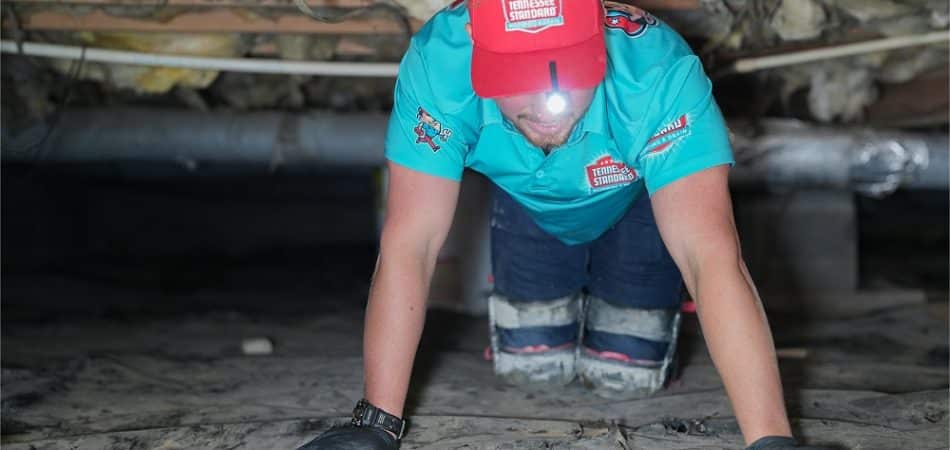
A professional plumbing inspection in Knoxville is a detailed, typically one-to-two-hour assessment of your home’s entire water supply and drainage system, designed to catch hidden leaks, corrosion, and safety hazards.
Most homeowners do not think about their plumbing until a pipe bursts, a drain backs up, or the water heater stops producing hot water. By that point, the repair bill reflects it. A professional plumbing inspection gives you a clear picture of your system’s condition before small problems become expensive emergencies.
At Tennessee Standard Plumbing, we perform professional plumbing inspections for homes across the Greater Knoxville area. Contact us today to book your inspection and stay ahead of costly repairs
A professional plumbing inspection is a systematic evaluation of every component in your home’s water supply and drainage system. How long it takes depends on property size, plumbing age, and whether camera diagnostics are included.

The plumber asks about problems you have noticed, such as slow drains, low water pressure, discolored water, or unusual pipe sounds. From there, the plumber walks through the home to visually assess all accessible plumbing components, including exposed pipes, fixtures, valves, and connections.
Every visible pipe and fitting is checked for corrosion, mineral deposits, moisture, and physical damage. Pipe materials are noted throughout the home. This is particularly relevant in East Tennessee where older homes may still have galvanized steel or polybutylene piping. Identifying these early helps homeowners plan for a whole-home repipe before a sudden failure.
Plumbers use high-definition waterproof cameras on flexible cables to inspect drain and sewer lines from the inside. This sewer camera inspection reveals grease buildup, pipe bellies, offset joints, and cracks invisible from the surface. Acoustic sensors, moisture meters, and thermal imaging detect hidden leaks behind walls and under slabs without demolition.
A full inspection covers the water supply system, drainage and sewer lines, water heating equipment, fixtures, and outdoor plumbing. Each area is evaluated against industry standards and local building codes.
The plumber tests water pressure at multiple fixtures using a gauge. Residential pressure should fall between 40 and 80 psi. Anything above 80 stresses pipes, and anything below 40 creates poor flow. If pressure falls outside that range, the pressure regulator valve (PRV) and main shut-off valve are checked.
Homes on KUB (Knoxville Utilities Board) city water are verified for a functioning PRV, while well system properties are evaluated for pump performance.
Drains are tested for flow rate. Slow drains can indicate blockages from grease, hair, soap buildup, or tree root intrusion. The plumber checks drain traps for leaks. For the main sewer line, a camera inspection documents the pipe’s interior condition without excavation.
Common sewer line problems in Knoxville include root intrusion, clay pipe deterioration, and settling that creates low spots where waste collects. Catching these early avoids the cost of an emergency sewer line repair.
The plumber checks for rust, corrosion, or water leaks around the base and connections. The temperature and pressure relief (T&P) valve is tested, sediment buildup is assessed, and the anode rod, burner assembly (gas units), or heating elements (electric units) are inspected.
Tank water heaters last 8 to 12 years on average, while tankless water heaters can last 15 to 20 years with maintenance. The inspection helps determine whether repair or replacement makes more sense.

Every toilet is flushed to check fill rate, flapper seal, and tank-to-bowl connection. Running toilets can waste up to 200 gallons per day according to the EPA. Faucets and showerheads are tested for leaks and flow consistency.
Shut-off valves at every fixture and the main shut-off are operated to confirm they work. A seized valve during an emergency can turn a minor leak into major water damage fast.
Outdoor spigots and hose bibs are checked for leaks and freeze protection. In Knoxville, where winter temperatures regularly drop below freezing, exposed outdoor plumbing is vulnerable.
The plumber confirms exterior pipes are insulated and anti-siphon devices prevent backflow. Underground water lines are evaluated for signs of leaks, including wet spots in the yard, sudden water bill increases, or pressure drops.
Most plumbing professionals recommend a full inspection at least once per year to stay ahead of wear, corrosion, and slow-building issues.
A yearly inspection establishes a baseline for your system’s condition, allowing the plumber to track changes like increasing corrosion or gradual pressure loss and recommend proactive repairs. Homes older than 25 years or properties with mature trees near sewer lines benefit from inspections every 6 to 12 months.
A standard home inspection only confirms that drains empty, toilets flush, and taps produce water. A professional plumbing inspection evaluates pipe materials, sewer line condition, water heater age, and code compliance. For buyers, this prevents investing in hidden liabilities. For sellers, a clean report strengthens the listing.
A burst pipe, sewer backup, or water heater failure should always be followed by a full inspection to check for related issues. Knoxville’s seasonal climate adds risk too. Winter freezes damage exposed pipes, and spring rains stress sewer systems. An early fall inspection gives time to fix vulnerabilities before the first hard freeze.
 The plumber provides a summary of findings that covers current problems, areas of concern, and recommended next steps. Problems are categorized by urgency: immediate repairs (active leaks, safety hazards), near-term maintenance (aging components, early corrosion), and long-term planning (pipe upgrades, water heater replacement).
Minor issues like a running toilet can often be fixed the same visit. Larger projects such as a drain repair or water heater replacement are scheduled at your convenience with upfront pricing. The inspection also serves as the foundation for a preventive maintenance plan that extends the life of your pipes, water heater, and fixtures.
A professional plumbing inspection gives you a full picture of what is working, what is wearing down, and what needs attention now. That clarity beats discovering a problem when water is already on the floor.
At Tennessee Standard Plumbing, we handle plumbing inspections across Knoxville and the surrounding East Tennessee area. Call us now to schedule yours!
A basic visual inspection costs between $100 and $200 depending on home size. Camera-assisted inspections with sewer line diagnostics range from $300 to $1,100. Costs do not include repairs, which are quoted separately.
Plan for one to three hours. A single-bathroom home with accessible plumbing goes faster, while a multi-story property or one needing camera diagnostics takes longer. The plumber will give you a time estimate when you book.
At least once per year for most homes. If you have noticed recurring slow drains, water discoloration, or rising water bills, move that up. Homes on well systems or those with a history of slab leaks may need semi-annual checkups.
No. A home inspector tests basic function like whether drains empty and toilets flush. A licensed plumber goes further with pressure testing, camera diagnostics, pipe material identification, and water heater analysis that a general home inspection does not include.
Gurgling sounds when drains empty, water that runs brown or yellow after sitting, damp spots appearing on walls or ceilings, a water bill that spikes without explanation, or a foul sulfur smell from any drain. Any one of these warrants a professional look.
Yes. Quick fixes like a faulty flapper or a loose fitting are typically handled on the spot. For bigger jobs such as repiping, sewer work, or water heater swaps, the plumber provides a written quote so you can decide on your own timeline.
Yes. Sewer line problems, outdated pipe materials, and failing water heaters are expensive to fix and rarely show up in a general home inspection. A plumbing-specific evaluation before closing protects you from inheriting someone else’s deferred maintenance.
It depends on when the home was built. Pre-1970s homes often have cast iron or galvanized steel. Homes built between the 1970s and 1990s may have polybutylene, which is prone to brittle failures. Most construction after the mid-1990s uses copper, PVC, CPVC, or PEX.


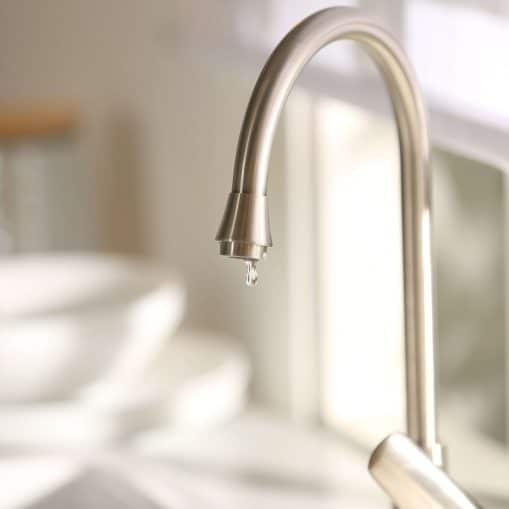
Homeowners should never ignore persistent drips, water pressure changes, slow drains, unusual sounds from pipes, or water discoloration. These seem... Read More

The cost of a backflow preventer depends on the device type, size, and installation setup. A backflow preventer is a safety device that prevents co... Read More
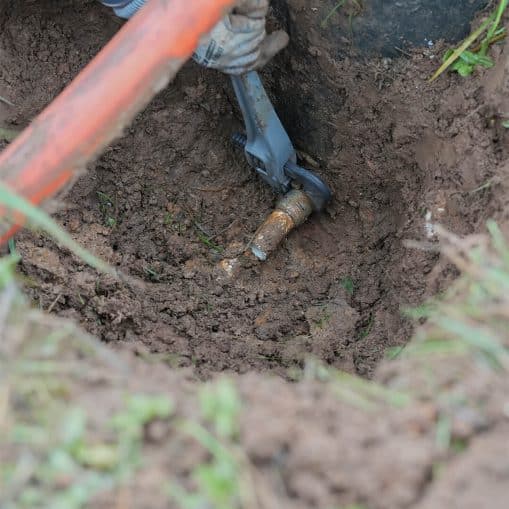
Knoxville's predominantly clay soil creates persistent pressure on underground pipes through expansion and contraction cycles, accelerating corrosi... Read More