Signs Your Knoxville Water Heater Is Near the End of Its Life
In Knoxville, TN, where KUB water is considered moderately hard (roughly 5.3 grains per gallon), water heaters typically last between 9–11 years, shorter than the national average. Due to high sediment buildup and faster anode rod depletion, a tank unit over 10 years old is likely near the end of its life.
Your water heater works quietly in the background every single day, and most Knoxville homeowners only notice it when something goes wrong. By the time the unit fails completely, the problem has often been developing for months. Knowing the warning signs of a failing water heater gives you time to plan a replacement instead of scrambling for emergency service.
At Tennessee Standard Plumbing, our licensed technicians diagnose aging and failing water heaters for homeowners across Greater Knoxville every week. If you are already noticing something off with your hot water, our team offers water heater services in Knoxville and can help you figure out whether a repair or replacement makes the most sense for your home.
Contact us today to schedule a water heater inspection with one of our licensed plumbers.
How Long Does a Water Heater Last in a Knoxville Home?
A residential water heater’s lifespan ranges from 8 years to more than 20 years depending on the type of unit, local water quality, and how consistently it has been maintained. Knowing where your unit stands on that timeline is the first step in reading its warning signs accurately.
Conventional Tank Water Heater Lifespan
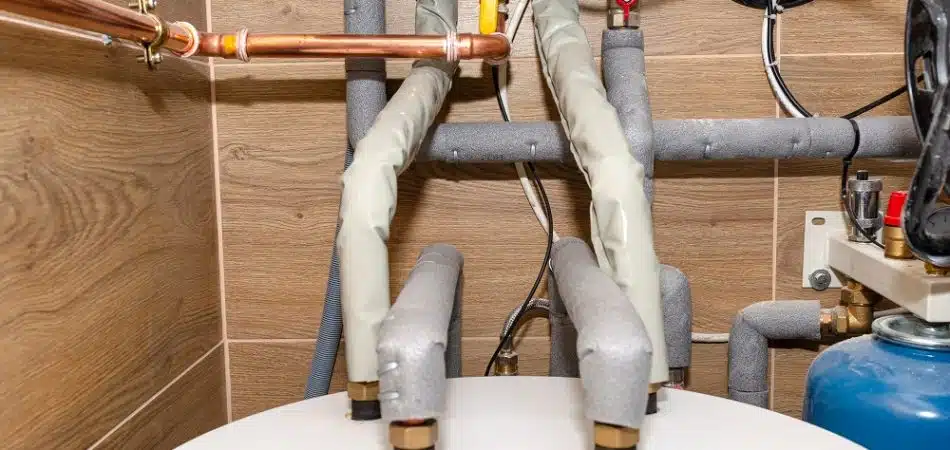
A standard tank water heater, whether gas or electric, typically lasts between 8 and 12 years. After the 10-year mark, the risk of corrosion, sediment accumulation, and component failure increases noticeably. This is a widely cited industry range, and most plumbers recommend proactively evaluating replacement as a unit approaches a decade of service.
Tankless Water Heater Lifespan
Tankless water heaters have a longer service life, generally more than 20 years when maintained properly. Because they heat water on demand rather than storing it continuously, corrosion and sediment buildup develop more slowly. Annual descaling and filter cleaning are the most important maintenance tasks for extending their lifespan.
How to Find Your Water Heater’s Manufacture Date
Most homeowners do not know how old their water heater is. The manufacture date is encoded in the unit’s serial number, typically located on a label near the top of the tank. The format varies by brand, but the first one or two digits usually represent the year of manufacture. If you cannot decode it, a licensed plumber can confirm the age during a routine inspection.
Physical Warning Signs Your Water Heater Is Near the End of Its Life
The three most visible signs a water heater is failing are rust-colored hot water, moisture around the tank base, and loud noises during heating cycles. Any one of these warrants a professional evaluation, especially in a unit over 8 years old.
Rusty or Discolored Hot Water: A Sign of Internal Tank Corrosion
Brown, orange, or reddish hot water coming from your taps signals internal corrosion inside the tank. The sacrificial anode rod, a metal component typically made of magnesium, aluminum, or zinc-aluminum alloy, is designed to corrode in place of the steel tank lining.
Once the anode rod is fully depleted, the tank itself begins to rust from the inside. Discolored water at the hot tap is a strong indicator that the tank has reached the end of its usable life.
Water Pooling Around the Tank Base
Water pooling on the floor around your water heater or collecting in the drain pan is a red flag. Small cracks or fractures in the tank, corroded fittings, or a failing pressure relief valve can all cause moisture to accumulate at the base. Unlike a dripping connection that can often be tightened, a leaking tank itself cannot be patched.
If the steel tank is the source, replacement is the only safe option. Scheduling tank water heater repair promptly can prevent water damage to surrounding flooring and structure.
Rumbling, Popping, or Banging Sounds from Sediment Buildup
A healthy water heater operates quietly. Loud rumbling, popping, or banging noises typically indicate sediment buildup at the bottom of the tank. As water minerals like calcium and magnesium settle over time, they form a hardened layer between the burner and the water supply.
This forces the heating element to work harder, accelerating wear on the tank walls and reducing energy efficiency. Flushing the tank annually can slow this process, but if the sediment has already hardened into a thick layer, the damage is often irreversible.
Performance Signs Your Water Heater Is Wearing Out
Not every sign a water heater is failing shows up visually. Three performance-based warning signs are just as reliable as physical symptoms and often appear earlier: inconsistent hot water, climbing energy bills, and frequent breakdowns.
Inconsistent or Insufficient Hot Water Temperature
Running out of hot water faster than usual, or noticing temperature swings during a single shower, points to a degraded heating element in electric units or a failing thermostat in gas models. As these components wear down, the unit loses its ability to maintain a consistent temperature setpoint.
In tankless units, a drop in flow rate or frequent error codes can indicate scale buildup inside the heat exchanger. If your unit is showing these symptoms and is more than 10 years old, tankless water heater repairor a full tank assessment can confirm whether a targeted repair is still cost-effective.
Rising Energy Bills Without Explanation
A water heater nearing the end of its life draws more energy to produce the same amount of hot water. Sediment buildup reduces heat transfer efficiency, forcing the burner or heating element to run longer cycles. If your utility bills from KUB have been climbing without an obvious cause like increased household usage, your water heater may be working far harder than it should. A unit that once operated at 90% efficiency can drop well below that threshold in its final years.
Frequent Water Heater Repairs and Repeated Breakdowns
One repair on an aging water heater is not unusual. A second or third repair within a short period is a clear pattern. Repeated thermostat failures, pressure relief valve replacements, or recurring pilot light issues on a gas unit all suggest the system is deteriorating broadly, not just experiencing isolated part failures.
As a rule of thumb, if the cost of a repair exceeds 50% of the price of a comparable new unit, replacement is almost always the better financial decision.
Why Knoxville Homes Are Especially Hard on Water Heaters
East Tennessee homeowners typically see shorter water heater lifespans than the national average because of three compounding local factors: hard mineral-rich water, inconsistent maintenance habits, and aging housing stock. Understanding these factors helps explain why a 9-year-old unit in Knoxville may show the same wear as a 12-year-old unit elsewhere.
Factor
Effect on Water Heater
What Helps
Hard water minerals
Accelerates sediment buildup and anode rod depletion
Annual tank flush, water softener
Skipped maintenance
Sediment hardens, corrosion goes undetected
Annual professional inspection
Aging housing stock
Older pipes increase pressure fluctuations
Full plumbing assessment
Hard Water Mineral Buildup in East Tennessee
Knoxville’s municipal water supply and many private well systems in the surrounding area carry dissolved minerals that settle inside tank water heaters as scale and sediment. Hard water accelerates anode rod depletion, insulates the burner from the water supply, and corrodes the tank lining faster than softer water would.
Homeowners dealing with white buildup on faucets or fixtures are likely also dealing with accelerated wear inside their water heater. A water softener installation can reduce mineral accumulation and extend the life of a newer unit.
How Skipped Annual Maintenance Shortens Water Heater Life
Annual flushing removes the sediment layer before it hardens, extends anode rod life, and allows a plumber to catch early signs of corrosion or component wear. Homeowners who skip maintenance for several years often find that their unit has aged far more than its calendar years suggest. A 10-year-old water heater that has been flushed every year will typically outlast an 8-year-old unit that has never been serviced.
The 50 Percent Rule: When to Stop Repairing a Failing Water Heater
Plumbing professionals widely apply the 50 percent rule when evaluating older water heaters: if a repair costs more than half the price of a new unit, replacement is the smarter investment. A new unit comes with a manufacturer warranty, improved energy efficiency, and several more years of reliable service. Continuing to repair a unit past this threshold tends to produce diminishing returns.
Protect Your Knoxville Home Before Your Water Heater Fails Completely
Catching these warning signs early gives you the best options. A proactive replacement on your schedule costs far less than emergency service and water damage repairs after a full tank failure.
Our team at Tennessee Standard Plumbing evaluates water heaters honestly and gives you a clear picture of whether a repair, a flush, or a full replacement makes the most sense. We offer tank water heater installation with multiple options at transparent prices, so you can make the right call for your home and your budget.
Call us today to get your water heater assessed by a licensed plumber.
Frequently Asked Questions
What are the signs a water heater is going bad?
The most common signs are rusty or discolored hot water, rumbling or popping sounds from the tank, water pooling around the base, and inconsistent water temperature. If your unit is over 10 years old and showing any two of these signs together, it is likely near the end of its service life and should be evaluated by a licensed plumber.
How long does a water heater last before it needs to be replaced?
A conventional tank water heater lasts 8 to 12 years on average. Tankless water heaters last more than 20 years with proper annual maintenance. Regular flushing, anode rod inspections, and professional servicing can add 3 to 5 years to either type’s expected lifespan.
What does rusty or brown hot water mean?
Rusty or brownish hot water means the steel interior of your water tank is corroding. Once the sacrificial anode rod is fully depleted, the tank lining itself begins to rust from the inside. This is a clear end-of-life indicator and replacement should be planned promptly to avoid a sudden tank leak.
Why is my water heater making a popping or rumbling noise?
Popping or rumbling sounds from a water heater are caused by hardened sediment at the bottom of the tank. Dissolved minerals from the water supply settle and form a layer that forces the heating element to work harder. Annual flushing prevents this buildup, but once sediment has hardened into a dense layer, the damage is difficult to reverse.
Is it worth repairing a water heater that is 10 years old?
It depends on the repair cost and the extent of the problem. If the repair is minor and costs well under half the price of a new unit, it can make sense. If the unit is over 10 years old, has needed multiple repairs, or shows signs of tank corrosion, replacement is generally the better long-term investment.
What is the 50 percent rule for water heater repair vs. replacement?
The 50 percent rule states that if a repair costs more than 50 percent of the price of a new comparable water heater, replacement almost always delivers better value. A new unit provides a manufacturer warranty, improved energy efficiency, and several additional years of reliable service.
How do I find out how old my water heater is?
The manufacture date is encoded in the serial number on the label attached to the unit, usually near the top of the tank. The first two characters typically represent the year or month of production, though the format varies by manufacturer. A licensed plumber can help you decode the serial number if the format is unclear.
When should I call a plumber about my water heater in Knoxville?
Call a licensed plumber any time you notice discolored hot water, moisture around the tank, unusual sounds during heating cycles, or a sudden drop in hot water availability. If your unit is over 8 years old and showing any of these symptoms, a professional inspection is the most reliable way to determine whether water heater repair or replacement is the right next step.
Meet the Author
Kelton Balka
Owner
Meet Kelton Balka, owner of Tennessee Standard Plumbing, with 13+ years transforming plumbing challenges into solutions. Your trusted plumbing partner.
Two of the highest-impact aging-in-place bathroom upgrades for Knoxville homeowners are comfort-height toilets and walk-in showers. Comfort-height ... Read More
A bathroom remodeler in Knoxville should show a state license number, proof of liability and workers' compensation insurance, a written list of spe... Read More





 A standard tank water heater, whether gas or electric, typically lasts between 8 and 12 years. After the 10-year mark, the risk of corrosion, sediment accumulation, and component failure increases noticeably. This is a widely cited industry range, and most plumbers recommend proactively evaluating replacement as a unit approaches a decade of service.