
Plumbing Leak Detection Equipment: How It Works, Types, and Benefits
Plumbing leak detection equipment works by monitoring water flow, pressure, sound, or temperature to identify abnormalities that indicate a leak. C... Read More
Same-Day Service Available
Need a Plumber in Knoxville? We’re Ready to Help!




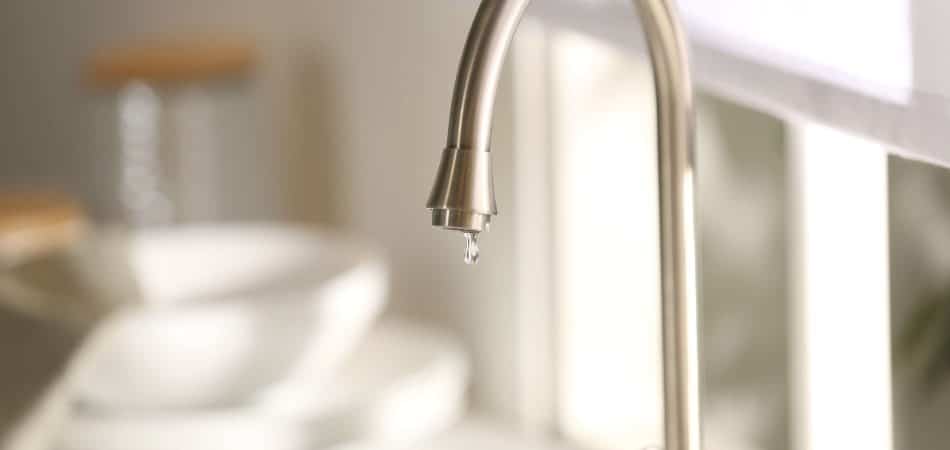
Homeowners should never ignore persistent drips, water pressure changes, slow drains, unusual sounds from pipes, or water discoloration. These seemingly minor issues often indicate serious problems like hidden leaks, pipe corrosion, or sewer line damage that will worsen over time and cost significantly more to repair if left unaddressed.
Your home often gives you warning signs when something is wrong with your plumbing. The problem? Most homeowners miss them or brush them off as minor annoyances until they are facing a flooded basement or a significant repair bill.
Catching plumbing problems early saves you money, protects your home from damage, and gives you peace of mind. Let’s walk through the warning signs you absolutely can’t afford to ignore.
That steady drip, drip, drip from your bathroom faucet or showerhead. Sure, it’s annoying, but it’s just a few drops, right?
Wrong. A single faucet dripping once per second wastes over 3,000 gallons of water annually. But the real issue isn’t your water bill. Persistent drips signal worn-out washers, deteriorating valve seats, or corroded pipes. These components don’t get better on their own.
What starts as a drip can quickly escalate to:
Pay attention to where the drip originates. A leaky faucet is straightforward, but water dripping from pipes, bathroom fixtures, or appearing around your water heater demands immediate professional attention.
Your shower suddenly feels weak. Or maybe the water blasts out with excessive force when you turn on the kitchen tap. Either extreme tells you something’s off in your plumbing system.
| Pressure Issue | Potential Cause | Risk Level |
|---|---|---|
| Sudden low pressure throughout home | Main line leak or corrosion | High |
| Low pressure in one fixture | Clogged aerator or pipe buildup | Low to Medium |
| High pressure (above 80 PSI) | Failed pressure regulator | High |
| Fluctuating pressure | Air in lines or valve issues | Medium |
Low pressure often points to mineral buildup restricting water flow, hidden leaks siphoning water before it reaches your fixtures, or failing supply lines. High pressure is equally concerning because it stresses your entire system, causing joints to fail and appliances to wear out faster.
One slow drain? Maybe you’ve got a simple clog. Multiple slow drains throughout your home? That’s your plumbing system waving a red flag.
When water takes longer than usual to drain from sinks, showers, or tubs, you’re looking at blockages forming in your pipes. But the location and pattern tell you everything about what’s actually happening.
 A single slow drain typically means a localized clog from hair, soap buildup, or debris. You might fix this yourself with basic tools. But when several fixtures drain slowly, especially if they’re on the same side of your house or share plumbing lines, you’re dealing with something more serious:
Don’t wait until waste backs up into your home to address this warning sign.
Your pipes shouldn’t sound like a haunted house. Banging, whistling, gurgling, or rattling noises tell you specific things are going wrong.
These aren’t just annoyances. They’re your plumbing system under stress, wearing out faster than it should. Each strange sound has a cause that needs fixing before it becomes an emergency.
Turn on your tap and see brown, yellow, or rusty water? Don’t drink it, and don’t ignore it. Water color tells you what’s contaminating your supply:
If discolored water appears from one fixture, the problem is likely isolated to that fixture or the pipe feeding it. When it comes from every tap, you’ve got corrosion in your main lines or an issue with your water heater.
Galvanized steel pipes, common in older homes, corrode from the inside out. By the time you see rusty water, significant deterioration has already occurred. This isn’t something that gets better—those pipes need replacing.
Found a damp area on your ceiling, wall, or floor with no obvious source? You’ve got a hidden leak. These are particularly dangerous because they cause extensive damage while staying out of sight.
Check these high-risk areas regularly:
Each day that leak continues, water damages your home’s structure, encourages mold, and drives up repair costs.
A running toilet is easy to ignore. But it’s literally flushing money down the drain while signaling component failure inside the tank.
Toilets that rock or wobble have broken wax ring seals, allowing water and sewage to seep into your floor structure. You might not see it, but it’s there, rotting the subfloor and possibly affecting the structural integrity of your bathroom.
Watch for these toilet warning signs:
Modern toilets are simple machines. When they malfunction, it’s typically an inexpensive fix—unless you wait until water damage spreads through your floor or the toilet requires complete replacement.
Sewer gas in your home isn’t just unpleasant. It’s toxic and indicates your plumbing system has failed to contain waste properly.
That rotten egg smell comes from hydrogen sulfide gas escaping through:
While a dried P-trap in an unused drain can be fixed by running water, persistent sewage odors require immediate professional repair.
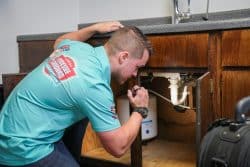 Some issues you can troubleshoot yourself. Others demand licensed professionals equipped with the right tools to diagnose and fix problems correctly.
Call immediately if you experience:
At Tennessee Standard Plumbing, our licensed plumbers are equipped to diagnose problems fast and fix them correctly. We have built our reputation by treating each customer like family and tackling complex plumbing challenges. We stand by our work and are committed to ensuring your home’s plumbing is safe and reliable.
Don’t let small warning signs become big emergencies. We offer same-day service and easy online booking because we know plumbing problems don’t wait for convenient times.
Book a plumbing service today.
The homeowners who avoid catastrophic plumbing failures are observant. They catch issues early when repairs are straightforward and affordable.
Walk through your home monthly, checking for drips, listening for strange sounds, and looking for signs of water damage. When you spot a red flag, acting on it promptly is always the right choice.
A local clog affects a single fixture (e.g., one slow sink), while a main line clog will cause issues at multiple fixtures, often starting with the lowest drains in the house (like a basement floor drain).
Most professional plumbers advise against using harsh chemical drain cleaners. They can damage older pipes, are harmful to the environment, and often only provide a temporary fix for a deeper problem. For recurring clogs, a professional drain cleaning is a safer and more effective solution.
You can buy a simple water pressure gauge from a hardware store that screws onto an outdoor hose bib. If the reading is consistently above 80 PSI, your system is under excessive stress, and you should have a pressure-reducing valve (PRV) installed or inspected.
It depends on the material. Copper pipes can last 50-70 years, while galvanized steel pipes, common in older homes, have a lifespan of only 20-50 years and are prone to corrosion. If your home is over 40 years old and has its original plumbing, a professional inspection is a wise investment.


Plumbing leak detection equipment works by monitoring water flow, pressure, sound, or temperature to identify abnormalities that indicate a leak. C... Read More
A hot water circulating pump delivers instant hot water, reduces waste, and boosts efficiency. This guide shows homeowners how to install, maintain... Read More
Toilets overflow due to clogs from foreign objects or excessive paper, faulty internal mechanisms like tank floats, or damaged sewer lines, with fi... Read More