
Does Home Insurance Cover Sewer Line Replacement?
Standard homeowners insurance typically does not cover sewer line replacement when the damage results from aging, wear and tear, or simple clogs. H... Read More

Same-Day Service Available
Need a Plumber in Knoxville? We’re Ready to Help!





East Tennessee weather significantly impacts residential plumbing, primarily due to rapid temperature fluctuations, high humidity, and intense seasonal storms, often leading to frozen pipes in winter and, in some cases, severe backups in spring and summer.
If you own a home in East Tennessee, your plumbing takes a beating from the weather. Winter cracks pipes. Spring shifts the soil. Summer strains water heaters. And fall is your only real window to prepare.
At Tennessee Standard Plumbing, we’ve built our reputation serving homeowners across Knoxville, Farragut, Maryville, Oak Ridge, and the surrounding communities with honest, professional plumbing care.
Contact us today to discuss any seasonal plumbing concern.
Temperatures in the Tennessee Valley can swing from the mid-50s to the low teens within the same week. That rapid back-and-forth is harder on plumbing than a sustained deep freeze.
Water expands when it freezes and contracts when it thaws. When that cycle repeats, it weakens joints and fittings until they crack or burst.
Pipes in crawl spaces, exterior walls, and unheated garages are the most at risk. Many older Knoxville-area homes still have exposed copper or galvanized lines with little insulation around them.
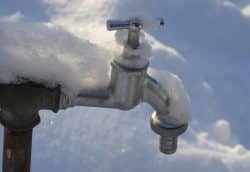 Yes. In areas like North Knoxville and Powell, homes sit on shallower foundations. If a water line isn’t buried below the frost line (about 12 inches here), a cold snap can freeze it solid.
Frozen pipe repair calls spike every January and February. A single burst can send several gallons per minute into your crawl space or walls.
Disconnect garden hoses. Open cabinet doors under sinks on exterior walls. Let faucets drip slowly on the coldest nights.
If your home has aging pipes or thin crawl space insulation, have a plumber check for weak points. Fixes range from adding heat tape to a full repipe on worn-out sections.
March through May brings three to five inches of rain per month. A single thunderstorm can drop several inches in one event.
All that water soaks into the ground and presses against your home’s buried plumbing.
Knox County sits on clay-heavy soil and limestone bedrock. Clay swells when wet and shrinks when dry.
That constant movement pulls sewer line joints apart and widens cracks. Tree roots find those gaps fast. One heavy rain can turn a hairline crack into a full sewer backup.
Slow drains, gurgling toilets, and sewage odors in the yard are early signs.
A sewer camera inspection can pinpoint the problem without digging. From there, you and your plumber can decide on a spot repair or a full line replacement.
Homes on concrete slabs in West Knoxville and Farragut face an added risk. When clay soil shifts beneath the slab, it stresses the drain lines and water pipes underneath.
Watch for a higher water bill with no explanation. A warm or damp spot on the floor. The sound of running water when every fixture is off. Any of these can point to a slab leak.
East Tennessee summers regularly hit the upper 80s and low 90s from June through August. Cold weather gets more attention, but summer creates its own plumbing problems.
Households use more water in summer. More showers, more laundry, more outdoor activity.

That spike in demand can push an aging unit past its limits. If your water heater is more than eight to ten years old, it often fails in the summer.
You can repair the existing tank or upgrade to a tankless system that heats on demand and typically lasts longer.
High humidity creates condensation on cold water pipes in basements and crawl spaces. Over time, that moisture corrodes fittings and joints.
Condensation also looks a lot like a leak, which makes it tricky to diagnose. The fix for condensation (ventilation or insulation) is very different from the fix for an actual pipe failure.
When several inches of rain fall in under an hour, residential drains can back up. Older homes with clay or cast-iron lines are especially prone to this.
A preventive drain cleaning before storm season is a simple way to lower that risk.
Fall is the sweet spot. Between mid-September and late November, ground conditions are stable, and there’s still time to fix problems before winter.
If you’ve noticed slow drains, schedule a sewer camera inspection. Have your water heater serviced before winter demand picks up. Check exposed pipes in crawl spaces for wear or corrosion.
A basic water heater tune-up includes flushing sediment and inspecting the anode rod, which is the part that protects the tank from rust. It’s one of the most cost-effective ways to prepare for cold weather.
Absolutely. A dripping hose bib might seem minor in autumn. But once it freezes, the water inside can crack the fitting open.
Fixing a small drip now costs a fraction of what you’d pay for water damage from a burst fitting in December.
 East Tennessee has hard water. That means higher levels of dissolved minerals like calcium and magnesium.
Those minerals leave deposits inside pipes and water heaters. Over time, the buildup reduces flow, lowers efficiency, and weakens pipe walls.
On its own, hard water shortens plumbing life. Add freeze-thaw stress and shifting clay soil, and copper pipes that should last 50 years can develop problems in half that time.
Start with a water quality test. It shows what minerals are in your water and at what levels.
Based on the results, a filtration system or water softener may be worth adding. Treating your water alongside seasonal preparation gives your plumbing the best shot at a long life.
Every season in East Tennessee brings a different challenge for your plumbing. The more you understand about local weather, soil, and water quality, the easier it is to catch problems early.
If you need professional help or want a seasonal evaluation, Tennessee Standard Plumbing offers a full range of residential plumbing services across Knoxville and the greater East Tennessee area. Call us today!
Cold weather causes frozen pipes, burst pipes, and cracked fittings. Pipes in crawl spaces, exterior walls, and unheated garages face the highest risk.
Rain saturates Knox County’s clay soil, causing it to swell and pressure buried sewer lines. This separates joints, widens cracks, and lets tree roots in.
Fall, between mid-September and late November. Stable ground and mild temperatures make it ideal for inspections and repairs before winter.
Yes. Mineral buildup reduces water flow, lowers appliance efficiency, and weakens pipe walls. The effect is worse when combined with temperature swings and soil movement.
Disconnect hoses before freezing temps, insulate exposed pipes, service your water heater yearly, and camera-inspect your sewer line if drains are slow.
Pipes become vulnerable below 32°F, but most damage occurs below 20°F. Rapid swings from the 50s to the teens stress pipes more than steady cold.
Look for unexplained water bill spikes, warm spots on the floor, running water sounds when fixtures are off, or new foundation cracks.
Yes. Humidity creates condensation on cold pipes in basements and crawl spaces. That moisture corrodes fittings over time and can look like a leak.
Once per year. Flushing sediment and checking the anode rod keeps the tank working efficiently. Hard water areas like East Tennessee benefit most from yearly service.
Rainwater enters damaged lines through cracks or loose joints. If roots or buildup are already partially blocking the line, heavy rain pushes sewage back into your home.


Standard homeowners insurance typically does not cover sewer line replacement when the damage results from aging, wear and tear, or simple clogs. H... Read More

Regular water heater maintenance is essential to ensure safety, improve energy efficiency, and prevent expensive repairs. Important steps include t... Read More
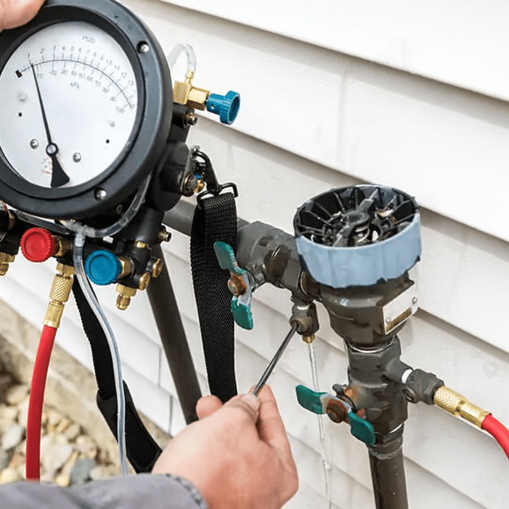
Backflow preventer testing costs typically range from $50 to $250, depending on the device and location. Expect annual testing, which includes a pr... Read More