
Backflow Preventers in Knoxville, TN: Understanding Local Plumbing Codes
Backflow preventers are required in Knoxville to stop contaminated water from flowing into the public supply. Most properties must install, test, a... Read More

Same-Day Service Available
Need a Plumber in Knoxville? We’re Ready to Help!




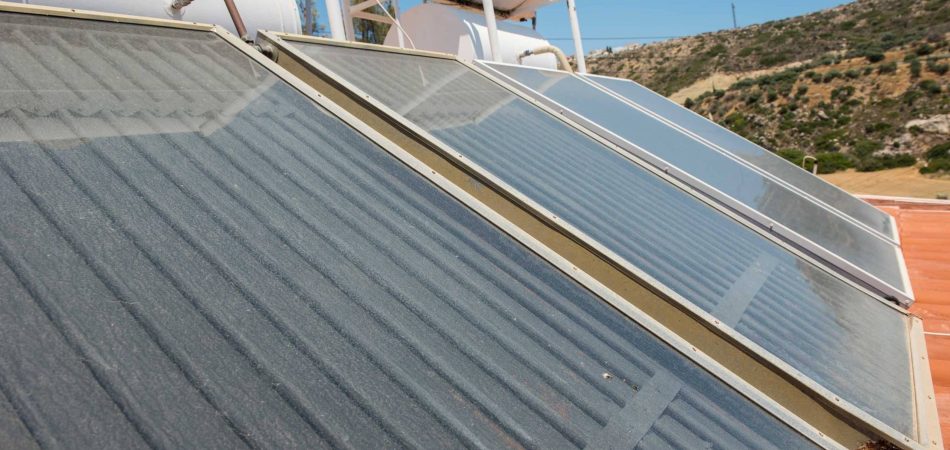
Choosing a solar water heater is beneficial due to significant energy cost savings, reduced environmental impact, and increased energy independence. These systems use free, renewable solar energy to heat water, potentially cutting water heating bills by 50–80% annually, while requiring low maintenance and having a long lifespan.
Choosing a solar water heater offers significant benefits, including substantial energy savings, eco-friendliness, and long-term efficiency. By harnessing free sunlight to heat water, these systems can cut water heating costs by up to 80% while reducing your carbon footprint. Solar water heaters are durable, require minimal maintenance, and can even boost your property’s value.
A solar water heater uses sunlight to heat water for residential or commercial use, reducing utility costs and supporting long-term sustainability. While solar systems offer many benefits, they still require a reliable backup solution—especially during cloudy seasons or increased household demand. If you need dependable hot water year-round, Tennessee Standard Plumbing provides expert water heater repairs and installations to keep your system running efficiently.
Schedule your consultation today to ensure your home always has reliable, consistent hot water.
 A solar water heater lowers energy expenses by using free sunlight instead of paid utilities. The rooftop collectors transfer heat to an insulated tank, allowing households to reduce reliance on electric or gas heating, which can account for up to 20% of energy bills.
Many households reduce total energy use by up to 70%, often saving hundreds of dollars each year. Over 20 years, the total savings can reach $5,000 to $10,000, depending on usage and climate. The U.S. Department of Energy cites solar water heating as one of the most cost-effective renewable upgrades, often paying for itself within five to eight years.
Solar water heaters reduce harmful emissions by replacing gas or electric heating with renewable sunlight. Traditional water heaters generate significant carbon dioxide, but solar systems can reduce emissions by up to 1.5 tons of CO₂ per year, the equivalent of planting 25–30 mature trees.
Widespread adoption of solar heating could lower national household emissions by more than 5%, creating cleaner communities and healthier air.
Most solar water heaters last 20 to 25 years, thanks to corrosion-resistant frames, tempered glass, and durable insulation. With few moving parts, mechanical wear is minimal. Studies show well-maintained systems retain around 80% efficiency after 15 years. This durability lowers replacement costs and improves long-term value.
Homes equipped with solar water heaters often gain increased market value. According to data from Zillow and the National Renewable Energy Laboratory, properties with solar upgrades typically sell for 3% to 4% more than similar homes without them. Energy-efficient features also attract eco-conscious buyers and may help homes sell faster.
Solar water heaters require very little maintenance due to their simple design.
Routine care includes:
Weather-resistant materials reduce wear, and most professional checkups take less than an hour, ensuring consistent hot water and low repair costs.
Because solar systems rely on free sunlight, they help shield homeowners from rising gas and electricity prices, which historically increase about 3% annually. Solar heating stabilizes long-term costs and provides greater budgeting control, especially during peak seasons.
Solar water heaters rely on several key components and design factors that help them capture, store, and deliver heat more effectively. These features work together to improve performance in different climates while reducing energy loss.
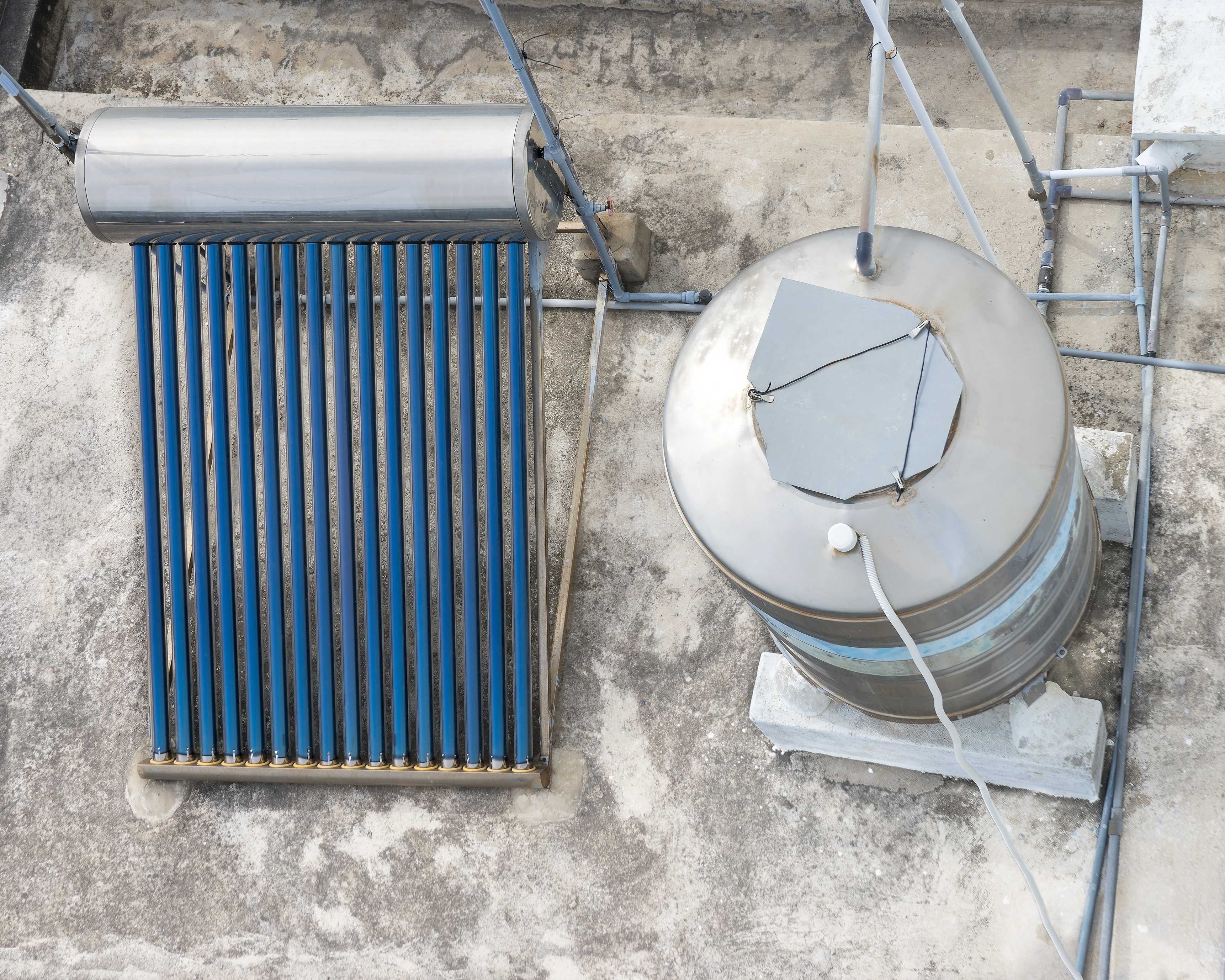
A solar water heater is environmentally friendly because it:
When choosing a solar water heater, evaluate your home’s structure, water use, and climate to ensure reliable hot water production. The right setup improves system efficiency, saves energy, and extends lifespan.
Family size and lifestyle affect the amount of water used. A large household will need a larger collector and storage tank. Matching system capacity with usage avoids water shortage and stabilizes heating performance.
A well-angled roof supports the collector well and allows more sunlight in. Damaged or dark roofs block sunlight and decrease heating efficiency. Inspecting and repairing the roof prior to installation helps with system placement and safety.
Active systems provide faster heating, while passive ones are suitable for mild climates. The right type ensures consistent performance year-round.
Systems that receive more sunlight convert it to usable heat using high Solar Energy Factor ratings. A higher SEF value decreases electricity use and costs. Checking the efficiency rating assures consistent quality results from the system.
More large collectors capture more heat, and larger tanks store more hot water to use later. A balanced setup keeps water temperature constant even in clouds. Correct sizing gives comfort, and no energy is wasted.
Tennessee Standard Plumbing has reliable plumbers in Knoxville who can help you choose, size, and install the right traditional or tankless water heater for dependable hot water and long-term performance.
For most homes, a flat-plate collector is the ideal choice. It efficiently absorbs sunlight across a broad surface, providing consistent hot water year-round and keeping maintenance low. Flat-plate systems work best in warm or moderate climates with regular sun exposure. In colder or cloudier regions, evacuated tube collectors retain heat better and perform more efficiently.
To size a solar water heater, estimate your household’s daily hot water use. A typical guideline is 15–20 gallons per person per day. For example, a family of four usually requires a 60–80 gallon tank. Larger homes or commercial spaces need bigger tanks to meet higher demand. Proper sizing ensures a steady water supply without wasting energy—an undersized system can overheat, while an oversized system increases installation costs.
Solar water heaters typically last 15–20 years, depending on material quality and maintenance. Tanks made of stainless or glass-lined steel resist corrosion, while copper or aluminum collectors maintain efficient heat transfer. Regular inspections, cleaning, and maintenance extend system life and ensure reliable performance.
Residential solar water heater installation usually costs between $4,000 and $7,000. Costs vary by collector type, tank size, and roof structure. Evacuated tube collectors are more expensive but perform better in colder climates, while flat-plate collectors are more affordable in sunny areas. Federal and state incentives may reduce upfront costs through rebates or tax credits. Over time, homeowners can save hundreds annually on energy bills.
The ideal location is a roof with full sunlight for most of the day. In the U.S., collectors are typically oriented south to maximize solar exposure. A roof angle of 30°–45° improves efficiency and ensures consistent performance year-round. Avoid shade from trees, chimneys, or nearby buildings.
High-quality tanks use stainless steel or glass-lined steel, which resists corrosion and extends tank life, especially in hard water. Polyurethane foam insulation reduces heat loss, keeping water warm longer. Copper or PEX piping ensures strong heat transfer and safe water flow.
Solar water heaters typically have an efficiency rating of 50%–70%, depending on collector type and sunlight availability. Flat-plate collectors average around 60% efficiency, while evacuated tube systems can reach 70%. Proper insulation, orientation, and system design improve efficiency further, reducing reliance on electricity or gas and lowering monthly energy costs.
Key precautions include ensuring the collector is securely mounted on a stable roof to withstand wind and rain. All connections and pipes must be leak-free, and tanks should have temperature and pressure relief valves to prevent overheating. Systems must comply with local building and plumbing codes to ensure safe operation.
Routine maintenance includes cleaning the collector surface, inspecting seals, and checking valves for leaks. A yearly tank flush removes mineral buildup, while pumps and insulation are checked for wear. Regular care keeps the system efficient and prevents costly repairs.


Backflow preventers are required in Knoxville to stop contaminated water from flowing into the public supply. Most properties must install, test, a... Read More

Household drains are often overlooked until a clog disrupts your daily routine. From grease and coffee grounds in the kitchen to wipes and paper to... Read More
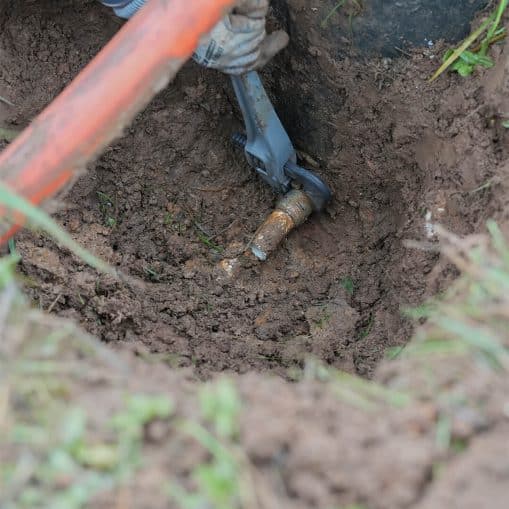
Knoxville's predominantly clay soil creates persistent pressure on underground pipes through expansion and contraction cycles, accelerating corrosi... Read More