
How Much Does It Cost to Install a Circulator Pump? A Simple Guide for Homeowners
The average cost to install a circulator pump ranges from $400 to over $1,500, depending on the type of system and installation complexity. A simpl... Read More

Same-Day Service Available
Need a Plumber in Knoxville? We’re Ready to Help!




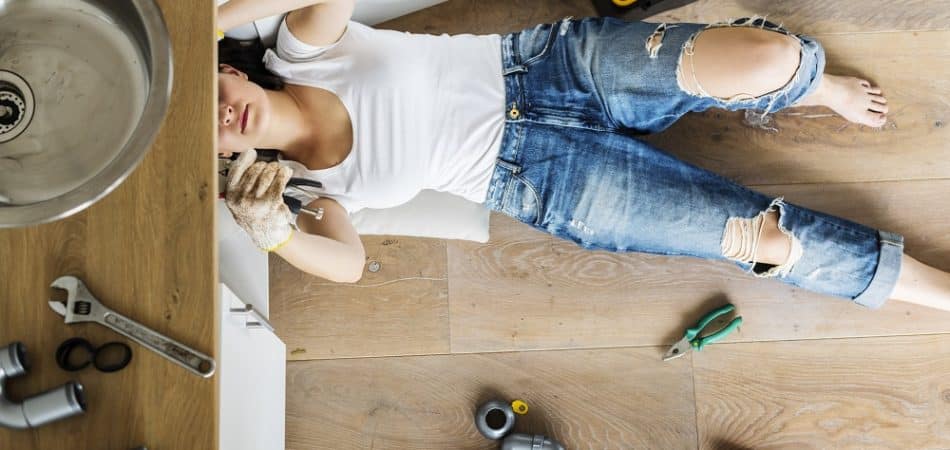
In Knoxville, it is best to call a licensed professional plumber rather than attempting a DIY repair when the issue involves structural risk (like water in walls), safety hazards (gas lines), or requires specialized equipment, such as sewer line blockages or water heater failures.
YouTube makes plumbing look easy. A few tools, a quick video, and the problem is solved. The reality is different. Some plumbing repairs are straightforward and well within a homeowner’s ability. Others carry real risk of flooding, structural damage, code violations, or injury if handled without professional training.
Our team at Tennessee Standard Plumbing regularly gets called to fix DIY repairs that went wrong. The cost of correcting a failed attempt is almost always higher than the original professional repair would have been.
Contact us today if you’re unsure whether your plumbing issue needs a pro.
Not every plumbing issue requires a licensed plumber. These tasks are low risk, require basic tools, and are manageable for most homeowners.
Unscrewing an old showerhead and threading on a new one is one of the simplest plumbing tasks. Wrap the threads with plumber’s tape, hand-tighten, then snug with a wrench. The only risk is overtightening and cracking the pipe fitting, so stop once it’s snug.
 A plunger is the right first response for a slow or clogged drain. Use a cup plunger for sinks and a flange plunger for toilets. If plunging doesn’t clear the clog after a few attempts, stop. Repeated force on a partial clog can push it deeper or stress older pipes.
A running toilet is often caused by a worn flapper. Replacement kits cost under $10 at any hardware store and come with instructions. Shut off the water supply valve behind the toilet, flush to drain the tank, swap the flapper, and restore water. If the toilet still runs after replacing the flapper, the issue is likely the fill valve or inlet pressure, and a plumber should take a look.
A loose handle on a faucet or shutoff valve is sometimes a simple fix. Hand-tighten the packing nut under the handle with a wrench. If the valve leaks after tightening, or if it’s a soldered valve rather than a compression type, stop and call a plumber.
These situations require a licensed plumber. Attempting them without proper training, tools, or permits puts your home, your family, and your insurance coverage at risk.
Gas lines are not a DIY project under any circumstances. Natural gas is highly flammable, and even a small mistake can cause a fire or explosion. While Tennessee law allows homeowners to perform plumbing work on their own residence, gas line work carries risks that require professional training, proper tools, and code-compliant materials that most homeowners don’t have. If you smell gas in your home, leave immediately, do not operate any electrical switches, and call your gas utility from outside.
When multiple drains are slow at the same time, or sewage is backing up into fixtures, the problem is in the main sewer line. Store-bought drain cleaners won’t reach it. A rental snake may give temporary relief but won’t diagnose what caused the backup. Sewer line issues require a camera inspection to identify the cause, whether that’s a grease buildup, root intrusion, or a collapsed section of pipe. Getting the diagnosis wrong and attempting the wrong fix makes the problem worse and more expensive.
A water stain on a ceiling or a wall that feels damp points to a leak somewhere inside your home’s structure. Finding and repairing it requires leak detection equipment. Cutting into the wrong section of wall adds drywall repair costs without solving the problem. Leak repairs done by a licensed plumber include proper diagnosis before any opening is made.

Water heaters involve gas or electrical connections, temperature and pressure relief valves, and in some cases permits. An incorrectly installed water heater can leak, fail early, or create a pressure buildup that becomes dangerous. Water heater work should always be handled by a licensed plumber, whether the job is a repair, a flush, a valve replacement, or a full unit swap.
A burst pipe requires shutting off the main water supply immediately, then calling a plumber. Temporary patches with repair tape or clamps are not a permanent fix and can fail without warning. Water piping repairs done without proper materials or technique often leak again within weeks.
In Knoxville, major plumbing work, including water line replacements, sewer connections, and new installations, requires a permit and inspection. Work done without a permit can create problems during a home sale, void your homeowner’s insurance coverage, and result in fines. Licensed plumbers handle the permitting process as part of the job.
The appeal of DIY is saving money. The reality is that failed DIY repairs consistently cost more than the original professional repair would have.
Many plumbing problems have more than one possible cause. A slow drain could be a local clog, a venting issue, or the early sign of a sewer line problem. Fixing the wrong thing wastes money and leaves the real issue untreated.
Plumbing uses specific pipe materials, fittings, and sealants that must match the existing system. Mixing incompatible materials causes corrosion, leaks, and premature failure. A licensed plumber knows what your system requires and uses code-compliant materials.
Most homeowner’s insurance policies exclude damage resulting from unlicensed or unpermitted work. If a DIY repair causes a leak that damages flooring, walls, or a neighbor’s property, you may be responsible for the full cost out of pocket. Licensed plumbing work is insured, meaning the company is liable if something goes wrong.
A repair that doesn’t hold means calling a plumber anyway, plus paying to undo the DIY attempt first. Getting it done right the first time is almost always the lower-cost outcome.
If any of these apply, put down the wrench and pick up the phone:
 You smell gas anywhere in the home.
Some plumbing repairs are simple enough to handle on your own. Others carry real risk of water damage, code violations, and costs that far exceed what a professional repair would have been. Knowing the difference is the most valuable plumbing skill a homeowner can have.
When the job is beyond a quick DIY fix, Tennessee Standard Plumbing is ready to help. Call us today at (865) 352-9003 to have your plumbing issue assessed by a licensed Knoxville plumber.


The average cost to install a circulator pump ranges from $400 to over $1,500, depending on the type of system and installation complexity. A simpl... Read More

Common reasons a water heater makes noise include sediment buildup, high water pressure, water hammer, loose or worn parts, leaks, and metal expans... Read More

Teflon tape seals water supply lines by filling in the gaps and grooves of the threads, and lubricating them so they can be tightened more deeply. ... Read More