
How to Install a Shower Drain: Expert Tips & Step‑by‑Step Guide
To install a shower drain, position the drain body, connect the outlet to the waste pipe with proper slope, secure it with a locking nut, and use g... Read More
Same-Day Service Available
Need a Plumber in Knoxville? We’re Ready to Help!




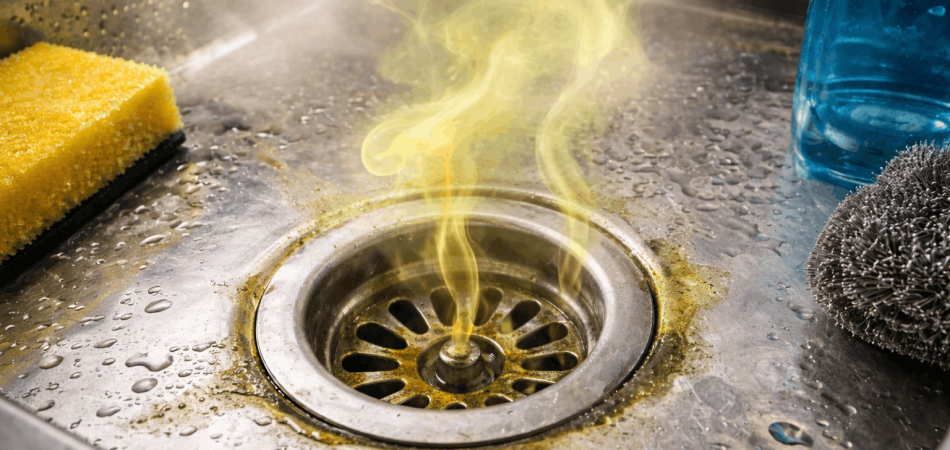
A drain smell in your Knoxville home is your plumbing system’s way of flagging a problem. The most common causes include a dry or dirty P-trap, biofilm buildup from hair and soap scum, a blocked drain vent, sewer gas infiltration from a cracked line, or decomposing organic matter trapped in the pipes. Different odors point to different root causes.
A smell rising from your drain is never something to ignore. It might seem like a minor nuisance, but that odor is a signal. And depending on what kind of smell it is and where it’s coming from, it could point to anything from a quick DIY fix to a sewer line problem that needs professional attention.
At Tennessee Standard Plumbing, our licensed plumbers diagnose drain odors in Knoxville homes every day. We know every smell has a story, and reading that story correctly is the first step toward a lasting fix. If a stubborn drain odor has taken over your kitchen or bathroom, schedule an appointment online or call us at (865) 352-9003. We diagnose fast and fix it right.
A properly functioning plumbing system should produce no detectable odor. When drains smell, it means one or more of the built-in barriers designed to contain sewer gases and bacteria have failed or been overwhelmed.
Every drain in your home connects to a P-trap—the curved section of pipe visible under a sink or hidden behind a wall. This U-shaped bend holds a small pool of standing water that acts as a seal, physically blocking sewer gases from traveling up the drainpipe and into your living space.
Drain vent pipes running through your walls and up through the roof provide airflow that keeps the system at the right pressure, so waste flows out and gases exit safely outdoors.
The seal fails when the P-trap dries out from lack of use, cracks, or gets blocked by debris. Vent pipes can become clogged by leaves, bird nests, or ice during East Tennessee winters, which forces sewer gases back down the line.
Organic buildup inside the pipes feeds bacterial colonies that produce foul-smelling gases even when water flow appears normal. Any one of these failures creates the conditions for a noticeable drain smell in your home.
Not all bad smells are the same, and the type of odor coming from your drain carries specific diagnostic information. Matching the smell to a cause narrows down the fix quickly.
A rotten egg odor from a drain comes from hydrogen sulfide gas, a byproduct produced when bacteria break down organic matter inside the pipes. This is the most common drain smell homeowners report. It can come from a dry P-trap, a clog trapping decomposing waste, or biofilm buildup on pipe walls.
If the smell only appears in hot water, the source is often sulfate-reducing bacteria in the water tank reacting with the anode rod material inside the water heater, a condition more common in homes on well water or with naturally high sulfate levels.
Our in-depth guide on why your drain smells like rotten eggs breaks this down further if that specific odor is your concern.
A smell that resembles an open sewer is more serious than a simple biofilm problem. This type of odor typically indicates sewer gas (a complex mixture of gases including methane, ammonia, and hydrogen sulfide) is entering your home through a damaged or missing P-trap, a cracked drain line, or a failed wax seal on a toilet.
Sewer gas can cause headaches, nausea, and dizziness at higher concentrations, so persistent sewage smells warrant a prompt call to a licensed plumber.
A musty drain smell points to mold or mildew growth inside the drain or the surrounding area. This often develops when slow drainage leaves standing water near the drain opening, or when a hidden pipe leak soaks nearby wood or drywall.
Bathrooms and laundry areas are the most common locations because of their persistent humidity levels. Mold spores thrive in the dark, damp interior of drainpipes and on drain covers that are rarely cleaned.
A smell resembling rotting food or fish coming from a kitchen sink is almost always food waste and grease decomposing inside the drainpipe or garbage disposal. Fats and oils poured down the drain congeal on the interior pipe walls and trap food particles, which bacteria break down over time.
Garbage disposals are a particularly common source because food debris collects under the rubber splash guard and around the grinding components—areas most homeowners never clean.
Pinpointing the location of the odor matters because different drains have different common causes.
Kitchen drains accumulate grease, food scraps, coffee grounds, and soap over time. That organic layer feeds bacteria and produces a sour or garbage-like smell. If you have a garbage disposal, check under the rubber splash guard. This is one of the most overlooked spots for odor-causing buildup.
Grease that enters the drain congeals over time and creates blockages that slow drainage and concentrate the smell. For stubborn kitchen drain odors, professional drain cleaning removes grease and biofilm at the pipe wall level, something surface remedies rarely reach.
 Bathroom drains trap hair, soap scum, shampoo residue, and skin cells, a combination that feeds bacterial biofilm inside the pipes. The smell from a bathroom drain is often described as musty, sulfuric, or sour.
A dry P-trap is also common in guest bathrooms or vacation homes that sit unused for weeks or months. Running the water for 30 seconds refills the trap and often eliminates the odor temporarily. If the smell returns quickly, the drain likely has a more significant buildup that needs professional clearing.
Floor drains in basements, laundry rooms, and garages are easily forgotten, and their P-traps can dry out completely over months of non-use. Once the water seal evaporates, raw sewer gas rises directly from the drain.
Preventive drain maintenance for basement drains is often as simple as pouring a quart of water down them monthly to keep the P-trap filled. If the smell persists after refilling, debris may be blocking the trap or the drain line below.
Most drain odors have straightforward causes, but some are warnings of conditions that worsen quickly if left unaddressed. Contact a plumber promptly if you notice any of the following alongside a drain smell:
For mild odors caused by a dry P-trap or surface buildup, a few targeted steps often help:
These steps address surface-level causes. When the smell returns within days, persists across multiple locations, or resembles raw sewage, the underlying cause is deeper than surface cleaning can reach.
Hydro jetting—a high-pressure water cleaning process, scours the interior walls of drain lines and removes the biofilm, grease, and debris that generate persistent odors. A licensed plumber will conduct a camera inspection first to assess pipe condition before jetting, ensuring the method is appropriate for your specific plumbing.
 A drain smell that keeps coming back after you’ve tried to address it isn’t just an inconvenience; it’s a sign that something specific in your plumbing needs attention. Tennessee Standard Plumbing serves homeowners across Knoxville, Maryville, Oak Ridge, Lenoir City, and the Greater East Tennessee area with fast, accurate diagnostics and lasting plumbing repairs.
Our team of licensed plumbing technicians carries tools to inspect your drain lines with a sewer camera, clear buildup with hydro jetting, and identify sewer line damage before it turns into a larger problem. We back every job with our “4 Steps, No Surprises” process: a clear diagnosis, multiple pricing options, your approval before any work starts, and a price that doesn’t change.
If a drain smell has been a recurring problem in your Knoxville home, contact Tennessee Standard Plumbing online or call (865) 352-9003 today. Peaceful pipes, peaceful life.
A rotten egg odor from a drain comes from hydrogen sulfide gas, which bacteria produce when breaking down organic material inside pipes. The most common causes are a dry or dirty P-trap, a partial clog trapping decomposing matter, and biofilm buildup on drain walls. If the smell only occurs with hot water, sulfate-reducing bacteria in the water tank may be reacting with the water heater’s anode rod material.
Sewer gas contains methane, hydrogen sulfide, ammonia, and other compounds that can cause headaches, nausea, and dizziness at higher concentrations. While a faint smell from a dry P-trap is generally low risk, a persistent or strong sewage odor indoors should be addressed by a plumber promptly, especially if it’s accompanied by gurgling drains or slow drainage across multiple fixtures.
Good drainage doesn’t mean the pipe walls are clean. Biofilm—a slimy bacterial colony that feeds on soap scum, hair, and skin cells can coat the inside of pipes without noticeably slowing water flow. This biofilm produces hydrogen sulfide gas and is a common cause of musty or sulfuric bathroom drain odors, even when drainage speed seems normal.
A musty drain odor usually points to mold or mildew growth. This can develop inside the drainpipe where moisture and organic residue accumulate, under a loose or porous drain cover, or from a nearby pipe leak dampening wood or drywall. Bathrooms and laundry rooms are the most common locations due to persistent humidity.
Yes. Drain vent pipes allow sewer gases to exit through the roof instead of through your drains. When a vent pipe is blocked by debris, a bird’s nest, or ice during an East Tennessee winter, pressure changes force sewer gases back down the line and out through drains or toilets. A blocked vent is a common cause of drain smells that appear throughout the house without an obvious clog.
Floor drain odors in basements and laundry rooms almost always come from a dried-out P-trap. Pour about a quart of water down the floor drain monthly to maintain the water seal. If the smell returns quickly after doing this, debris may be partially blocking the P-trap or the drain line, and a professional cleaning may be needed.
A kitchen sink that drains well but still smells usually has grease and food residue coating the inside of the drainpipe or garbage disposal. Fats and oils solidify on the pipe walls below the drain opening, enough to generate bacterial odor without fully blocking flow. Cleaning the garbage disposal and scheduling a professional drain cleaning removes this hidden buildup.
Call a plumber if the smell returns within a few days of cleaning, if multiple drains in the home smell at the same time, if you detect a sewage odor outside the house, or if drain smells are accompanied by slow drainage, gurgling sounds, or water backing up. These signs suggest a problem in the main drain or sewer line that requires professional equipment to diagnose and fix.
Drain cleaning costs in Knoxville vary depending on the severity of the buildup, the method used (snaking vs. hydro jetting), and which drains are involved. Most residential drain cleaning jobs are affordable relative to the cost of repairs that result from ignoring buildup over time. Tennessee Standard Plumbing provides a clear estimate before any work begins, with multiple pricing options so homeowners can choose the approach that fits their budget.
Yes. Running water through infrequently used drains monthly, cleaning drain covers and stoppers regularly, keeping grease and food scraps out of the kitchen drain, and scheduling professional drain cleaning at least once a year all reduce the buildup that causes odors. Homes with older plumbing or a history of recurring clogs may benefit from more frequent professional service.


To install a shower drain, position the drain body, connect the outlet to the waste pipe with proper slope, secure it with a locking nut, and use g... Read More

Slow drains keep coming back after DIY fixes primarily because most DIY methods only clear a partial or surface clog, leaving the main accumulation... Read More
Tankless water heaters offer impressive energy efficiency and a longer lifespan than traditional tank units. However, they come with limitations li... Read More