
Bathroom Sink Plumbing Leak: Common Causes and Quick Fixes
Bathroom sink leaks often result from loose pipe connections, deteriorated seals or washers, and clogged drains that increase pressure. Simple solu... Read More
Same-Day Service Available
Need a Plumber in Knoxville? We’re Ready to Help!




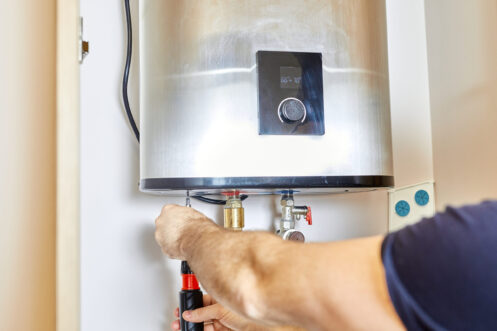
If your tankless water heater stops working, the most common causes include power supply failures, low water flow, gas supply interruptions, mineral buildup, ignition problems, or blocked air intake and exhaust vents. Basic fixes include checking for tripped breakers or closed gas valves, confirming that your water flow meets the unit’s minimum activation rate, and removing any debris or blockages from vents or the exhaust pipe. If these steps don’t solve the issue, the problem may involve a malfunctioning sensor, internal component failure, or a potential leak, which typically requires professional repair.
A tankless water heater delivers endless hot water and strong energy efficiency, yet like any appliance, it faces problems over time. Many of these issues appear suddenly, like cold water in the middle of a shower, low pressure, or a heater that refuses to start.
Understanding these frequent issues enables homeowners to move quickly, prevent stress, and maintain the smooth operation of their systems without significant slowdowns. Many checks and minor actions can help restore performance and comfort before requesting maintenance.
When problems arise, rapid response will restore comfort and safety. Tennessee Standard Plumbing offers professional tankless water heater repair to guarantee dependable performance and enduring results for every household.
Contact us today to schedule your repair and get your hot water flowing again!
No hot water from a tankless system means the heating process has stopped or failed to start. The issue usually comes from blocked gas flow, a tripped power supply, or an obstructed inlet filter. Also, stopping appropriate heating might be a worn-out heating element or a filthy sensor. Cold water is the consequence of the heater failing to detect flow or burn. Cleaning filters, looking for faulty power connections, and making sure gas valves remain open will help you get back to normal quickly. Early care reduces system stress and maintains the heater ready for regular use, free from energy or time waste.
Changes in water flow or unbalanced heating components cause temperature swings. Quick changes from hot to cold water arise from mineral buildup, blocked filters, or erratic inlet flow. Even little obstructions interfere with the heater’s ability to sense and correct temperature. Consistent flow through heating components is restored by regular descaling and maintenance. Keeping the water heater free of buildup guarantees consistent heating during showers and chores. Fast repairs lower the degree of comfort in the house and help to avoid long-term strain.
Hard water causes mineral buildup in certain locations. Inside heating coils, minerals block free heat flow. The buildup gets denser and degrades the capacity of the system to generate consistent hot water over time. Early indicators include little delays in heating or poor water pressure. Descaling chemicals or a water softener will remove the buildup. And stops fresh deposits from growing. Good maintenance prolongs the tankless system’s life and reduces residential energy consumption.
An ignition failure occurs when the water heater does not turn on the burner that heats the water. The most frequent causes include bad air supply, obstructed gas lines, or unclean flame sensors. Should this occur, the system starts for safety but automatically stops. Normal operation is frequently restored by checking gas valves, cleaning ignition components, and verifying venting clearance. Preventive cleaning guarantees that ignition sensors remain sensitive and functional. Regular checks help to avoid several restarts, which shorten the lifespan of the unit and save time.
Air blockage results from trapped air or debris filling the vent or exhaust path of the heater. This restrains burner airflow and stops the system from properly discharging gases. Less airflow causes erratic or inadequate heating and frequent shutdowns. Clearing vents and looking for obstructions outside the home helps to restore equilibrium in airflow. In colder regions like Oak Ridge, snow or leaves close to vent holes may also impede airflow. Frequent vent cleaning keeps energy use consistent and helps the system operate safely.
Low water pressure stops the tankless water heater from starting or maintaining proper heating. The heater relies on a steady flow to detect demand. Clogged inlet screens, sediment buildup, or damaged plumbing lines reduce water movement. A drop in pressure leads to weak flow or sudden temperature changes. Cleaning filters, inspecting pipes, and ensuring valves stay open helps fix the issue. Keeping a steady flow allows the heater to deliver smooth, hot water through every faucet in the home.
The cold water sandwich effect is when cold water bursts mix with warm water cycles. Most of the time, it shows up when the heater turns back on after a brief stop in use. Before fresh hot water does, the remaining cold water in the pipe reaches the tap. Though little, the problem upsets convenience during showers. Flushing the system, keeping correct flow, and employing a little buffer tank assist to mitigate it. Regular maintenance keeps the tankless system trustworthy for daily use and guarantees uniform heating free from temperature differences.
The easy fixes for a tankless water heater when it does not work are a power supply check, cleaning the inlet filter, clearing vent blockages, and making sure gas and water flow remain steady. Many tankless water heater issues have simple solutions that restore normal function without major repairs. Checking power, cleaning components, and maintaining constant fuel and water flow are among these fast actions. These measures kept the system daily safe, dependable, and effective.
These easy fixes include:
 A disconnected plug or tripped breaker stops the heater from starting. Checking that the power switch is on and the circuit breaker is not tripped helps restore power. Confirming power to the control panel ensures the heater receives electricity to run sensors and ignition properly.
Fuel cannot reach the burner if a gas valve is closed or partially turned. Completely opening the valve restores gas flow and enables the heater to burn properly. Regular checks of the gas line help prevent heating problems or unexpected outages.
Most tankless heaters exhibit an error code in case of malfunction. Reading the code helps find the problem, like a broken ignition or a faulty sensor. Following the heater manual will help rapidly solve the particular issue and eliminate uncertainty.
Sediment buildup in the inlet filter restricts water flow and reduces heating performance. Turning off the water supply and removing the filter for cleaning clears most drain clogs right away. Clean filters guarantee a constant flow of water and allow the heater to sense flow correctly.
Hard water minerals settle inside heating coils and block heat transfer. Flushing the system with a descaling solution removes buildup and improves efficiency. Regular flushing every few months keeps water heating evenly and protects internal parts from damage.
Blocked vents limit air supply and stop exhaust gases from leaving safely. Checking and clearing the vent pipe from dirt, snow, or leaves restores airflow. Open vents help the system burn fuel safely and maintain full heating power.
The heater occasionally needs a simple reset following maintenance of minor problems or cleaning. Pushing the reset button clears temporary glitches and resets the control board. Following maintenance, this phase enables the system to resume regular functioning swiftly and start anew.
The common pitfalls to avoid for running a tankless water heater efficiently include skipping descaling, ignoring filter cleaning, setting high temperatures, neglecting vent maintenance, overlooking recirculation needs, forgetting power checks, and delaying professional service. Avoiding these errors keeps the heater energy-efficient, stops damage, and guarantees every house receives constant hot water.
These frequent mistakes are:
 Ignoring descaling lets hard water minerals cover heating elements and impede heat transfer. The unit is made to work more vigorously by this buildup, which causes energy waste and a decline in water temperature. Flushing the heater every few months extends the life of the system, enhances efficiency, and gets rid of pollutants.
A clogged inlet filter sets off error codes and reduces water flow. Regular filter cleaning helps smooth operation and maintains consistent water pressure. This simple maintenance measure guarantees that hot water is ready when required and avoids pointless shutdowns.
Having the water temperature too high strains the interior parts and uses electricity. Maintaining the temperature at about 120°F gives sufficient heat for comfort while also preventing the heater from overheating. Energy efficiency and constant performance without harming components are guaranteed by balanced settings.
Vents are blocked, and airflow is slowed by dust, filth, or outdoor waste. Inadequate ventilation increases system strain and results in partial combustion. Regular intake and exhaust vent cleaning helps to guarantee correct airflow, safe gas burning, and a constant supply of hot water.
Skipping the recirculation system checks delays hot water delivery and wastes cold water. Maintaining the recirculation pump improves response time and reduces energy waste. Proper flow keeps the water heater running efficiently and ensures instant comfort at every tap.
Tankless heaters need a constant source of energy to heat the water. Using other high-load equipment on the same circuit causes performance to decline or results in shutdowns. Checking the electrical capacity guarantees the gadget heats continuously and stops overheating.
By delaying regular maintenance, little problems like sensor failures or leaks can arise. Tennessee Standard Plumbing’s thorough inspection identifies early flaws and guarantees every part is in good condition. Timely repairs for the heater help to keep its performance, safety, and long-term dependability intact.
 Yes, seeking expert help when a tankless water heater doesn’t work ensures safe, reliable, and lasting results. Professional plumbers in Knoxville have the right knowledge, tools, and experience to locate the source of the issue quickly. They correctly handle challenging parts like ventilation systems, heat exchangers, and gas valves to help prevent further harm.
Trained professionals also look for hidden issues that residents might not notice, such as electrical flaws, insufficient water pressure, or mineral buildup. Expert repairs keep the heater working at its best, lower energy use, and help the appliance last longer.
Counting on experts also reduces safety concerns, including electrical risks or gas leaks brought about by careless handling. Years of experience and a great dedication to client comfort support Tennessee Standard Plumbing’s trustworthy service. Quick repairs of hot water systems by the crew ensure reliable year-round performance, lower stress, and enable homeowners to save time.
Tankless water heater replacement is a smarter choice than repair when the unit becomes too old, faces repeated breakdowns, or shows signs of corrosion and leakage. Replacement ensures better energy efficiency, reliable heating, and long-term savings compared to spending on frequent, short-term fixes.
DIY troubleshooting for tankless water heaters is risky since these systems include sensitive components, electrical wiring, and gas lines requiring expert tools and skill. Improper treatment results in gas leaks, electrical shocks, or permanent system damage. Expert servicing keeps repairs accurate and safe.
A tankless water heater typically lasts between 15 and 20 years when maintained regularly. Routine cleaning, descaling, and professional checkups prevent buildup and wear, helping the unit stay efficient for a long time while keeping energy costs low.
Yes, trained plumbers identify hidden issues that affect heater performance, such as clogged filters, blocked vents, or faulty ignition parts. Early diagnosis prevents total system failure, keeps hot water steady, and maintains energy efficiency throughout the unit’s lifespan.
Emergency plumbing helps fix tankless water heater problems quickly by restoring hot water and safety within hours. Fast response from skilled plumbers stops leaks, resets the unit properly, and prevents further system damage, giving families comfort and peace of mind.
Regular inspection is important for long-term tankless water heater performance because it keeps internal components clean and detects issues before they grow. Inspections ensure smooth heating, prevent breakdowns, and extend the life of the system through professional care.
Reliable installation service for a new tankless water heater is available through Tennessee Standard Plumbing. The company provides licensed experts, precise installation, and local experience to guarantee the heater performs efficiently and safely from day one.
Professional service helps protect your tankless water heater warranty by ensuring all repairs and maintenance meet manufacturer standards. Expert technicians use approved methods and parts, keeping the warranty valid and safeguarding the investment for years to come.
Flexible financing options for tankless water heater repairs include structured payment plans that make essential services more affordable. Tennessee Standard Plumbing offers clear pricing, helping homeowners manage repair costs comfortably without compromising quality.
Tennessee Standard Plumbing provides tankless water heater repair services across Knoxville and nearby Tennessee communities. The team provides prompt, expert support for both home and business systems to guarantee that hot water flows smoothly in every building.


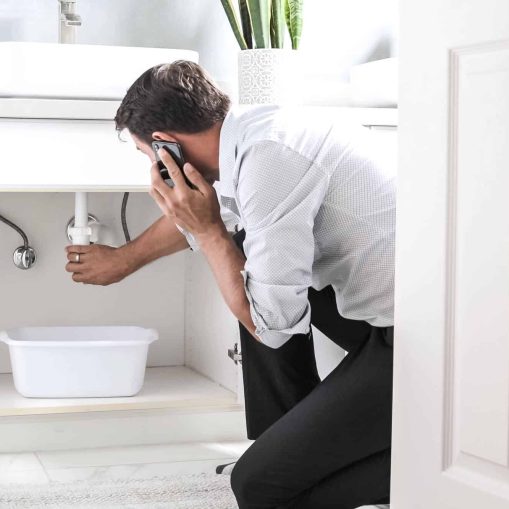
Bathroom sink leaks often result from loose pipe connections, deteriorated seals or washers, and clogged drains that increase pressure. Simple solu... Read More

Standard homeowners insurance typically does not cover sewer line replacement when the damage results from aging, wear and tear, or simple clogs. H... Read More

To safely install a gas line, always turn off the gas, hire certified professionals, and follow best practices like using proper materials, conduct... Read More