
Tankless Water Heaters vs. Tank Water Heaters: Pros, Cons & Best Options
Tankless water heaters offer impressive energy efficiency and a longer lifespan than traditional tank units. However, they come with limitations li... Read More

Same-Day Service Available
Need a Plumber in Knoxville? We’re Ready to Help!





In 2025, installing a sump pump typically costs between $600 and $2,500, with the national average around $1,600. The total price varies based on factors such as the pump’s horsepower, the specific type of sump pump, the complexity of the installation, and whether it is a new system or a replacement.
Installing a sump pump is a crucial step in protecting your home from basement flooding and water damage. The cost varies depending on the type of pump (submersible or pedestal), required capacity, installation complexity, and local labor rates.
If you’re planning to install a sump pump, Tennessee Standard Plumbing offers reliable, professional installation services. Our team ensures accurate quotes, high-quality workmanship, and even flexible financing options. Protect your home today—schedule your consultation now!
A residential sump pump removes excess water from your home’s foundation, preventing basement or crawlspace flooding. Installed in a sump pit, the pump activates via a float switch when water reaches a certain level, directing water safely away from your home. This protects your foundation and belongings from water damage.
Typical costs: $500–$4,000. The wide range reflects equipment choice, labor requirements, and installation complexity.
Main types of residential sump pumps:
Commercial sump pumps are heavy-duty systems designed to manage large volumes of water in office buildings, warehouses, or factories.
Typical costs: $5,000–$15,000+. These installations are more expensive due to larger equipment, higher horsepower requirements, and more complex electrical work.
Common commercial pump types:
Sump pump installation costs depend on equipment, labor complexity, and regional economic factors:
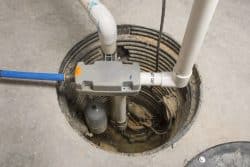 The choice of pump type directly sets the base material cost of the project. Submersible pumps cost more up front because they have a sealed, watertight body, a feature necessary to protect the motor while submerged. Pedestal pumps are less expensive because their motors are above the pit, which makes them easier to build.
High-capacity commercial pumps, which are essential for large buildings and high water tables, use larger, more robust motors and components. These more powerful pumps have a significantly higher purchase price than low-capacity residential units.
The difficulty of the installation directly impacts labor time and cost. Installing a pump in an existing, pre-dug pit takes less time than installing a new system. Installing a new system requires demolition work to cut and remove concrete from the basement floor, a task that dramatically increases the total time and labor charges.
Digging the pit is harder when the soil is dense, rocky, or hard clay. These tough ground conditions require more effort and time from the labor crew. Conversely, digging in soft sand or dirt lowers the time needed for excavation.
The condition of the basement dictates the amount of preparatory work required. Basements with finished walls, ceilings, and flooring require careful demolition and protection of surrounding areas. Working in a tight, cramped crawlspace or a deep, confined elevator pit also raises labor costs because access is difficult and the work takes longer.
Labor costs vary significantly depending on the region and the installer’s expertise. Areas with a higher cost of living generally have higher hourly rates for licensed plumbers and excavators. Getting multiple quotes from regional contractors establishes a competitive price range.
Most major basement alterations and plumbing work require a building permit from the local municipality. Obtaining these permits costs a fee and requires submitting specific, engineered plans for approval. Failing to secure the necessary paperwork causes problems later, including potential fines or forced removal of the new installation.
Beyond the cost of the pump and basic labor, several additional expenses can arise during installation. These “hidden” costs are often necessary to ensure your sump pump operates safely, efficiently, and in compliance with local regulations.
Local city or county governments require a building permit for significant plumbing and electrical work. Obtaining this permit costs a fee, usually a small percentage of the total project. You pay the fee to the jurisdiction, and a licensed contractor handles the application process, adding a cost for their time and effort.
 A new, powerful commercial pump requires a dedicated electrical circuit to run safely without tripping breakers. Electricians charge extra to install this new circuit, which involves running new wiring back to the main electrical panel. Older buildings may even require an entire panel upgrade to handle the new load, a substantial, unexpected cost.
The new pump’s discharge line must connect to an acceptable external drainage point, and sometimes they find the existing piping is too small or blocked. Workers charge time and materials to replace or reroute the discharge piping through a wall or foundation. They ensure the new pipe terminates legally, preventing water from returning to your basement.
Installing a new sump pit often requires breaking up and removing a large amount of concrete and soil from the basement floor. The contractor must haul away these bulky construction waste materials, and disposal fees apply. That service fee covers the legal disposal of the heavy concrete and dirt that came out of the ground.
A basic quote includes only the pump, but essential safety and backup systems cost extra. These include a battery backup unit to power the pump during a power outage or a water level alarm that sounds when the pit fills too fast. These additions significantly increase the total price but provide critical flood protection.
Installing a sump pump doesn’t have to break the bank. With careful planning and strategic choices, you can save money while ensuring your system remains reliable and effective.
Getting quotes from at least three licensed contractors secures a competitive price for the installation. This negotiation strategy highlights price outliers and guarantees you pay the going rate for local labor and equipment.
Contractors are less busy during dry, non-stormy months (like late fall or winter). They lower their hourly rates and offer discounts to fill their schedule during these slow periods.
Clearing the installation area yourself, such as moving stored items or sweeping the basement floor, saves the contractor labor time. This simple preparation prevents them from adding hours to your bill for basic organizational tasks.
Purchasing the sump pit liner, discharge piping, or high-capacity pumps from a supplier directly, instead of through the contractor’s marked-up price, saves money on raw materials.
Focus the project solely on the necessary primary pump and discharge line. You defer luxury features, like smart Wi-Fi monitoring or expensive sound-dampening covers, until a later date.
A detailed agreement prevents costly changes once work starts. Clearly define the exact location of the pump and the discharge line’s endpoint, eliminating expensive rework.
Routine cleaning and testing of the pump switch every season prevents catastrophic failure. This preventive care avoids expensive emergency repair visits and the massive costs of water damage restoration.
Tennessee Standard Plumbing provides detailed quotes and high-quality installations, ensuring reliable flood protection without hidden costs. For homeowners seeking trusted expertise, working with professional plumbers in Knoxville guarantees a safe, code-compliant sump pump installation that protects your home for years to come.
Installing a new sump pump is generally more expensive than replacing an existing one. New installations require heavy construction, such as breaking concrete and excavating a sump pit. Replacement projects reuse the existing pit and discharge lines, reducing labor time and overall cost significantly.
Battery backup systems and high-water alarms are the most valuable optional features. Battery backups ensure the pump works during power outages, common during storms. High-water alarms provide early warnings of potential system failure, helping prevent costly water damage.
Yes. Prioritize installing the primary pump and necessary discharge piping first. Optional upgrades, like remote monitoring or aesthetic covers, can be added later without compromising immediate flood protection.
Yes. Subsurface drainage solutions, like French drains, require extensive excavation, pipe installation, and concrete work, which adds significant time, labor, and material costs compared to a standard sump pit installation.
Routine maintenance prevents premature pump failure. Cleaning the basin and testing the float switch regularly prevents clogs and motor burnout, reducing the risk of emergency repairs and costly water damage restoration.
Tennessee Standard Plumbing offers licensed, insured, and experienced contractors. They provide detailed, accurate quotes based on regional labor rates, ensuring professional installations at fair prices.
No. DIY installation, especially for new setups, risks electrical errors and improper plumbing that can cause system failure and safety hazards. Licensed professionals ensure code-compliant, reliable installations.
Businesses can save by choosing durable, industrial-grade components and installing duplex systems that alternate use. This reduces wear, extends pump lifespan, and lowers future replacement and downtime costs.
Installing an internal sump pump is typically less expensive and less invasive than exterior waterproofing, such as foundation sealants or excavation. Sump pumps protect your home without extensive labor or construction outside the foundation.
A complete quote should cover the pump model and capacity, labor hours, materials, concrete work, discharge piping, electrical upgrades, and any permit fees. This prevents unexpected costs later.


Tankless water heaters offer impressive energy efficiency and a longer lifespan than traditional tank units. However, they come with limitations li... Read More

A rotten egg smell coming from your drain may cause concern and discomfort. You can spend days trying to find the cause, and you may mistakenly bla... Read More
Homeowners should never ignore persistent drips, water pressure changes, slow drains, unusual sounds from pipes, or water discoloration. These seem... Read More