
Does Home Insurance Cover Sewer Line Replacement?
Standard homeowners insurance typically does not cover sewer line replacement when the damage results from aging, wear and tear, or simple clogs. H... Read More

Same-Day Service Available
Need a Plumber in Knoxville? We’re Ready to Help!




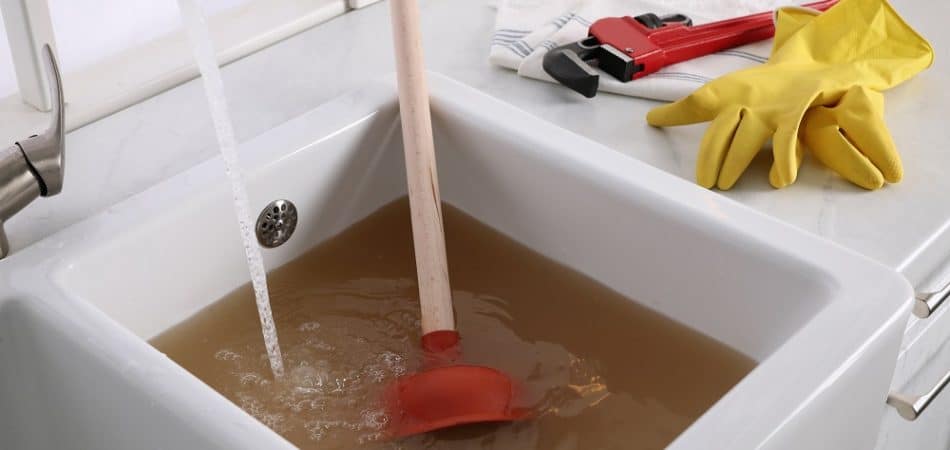
Repeated drain clogs signal deeper sewer problems because they indicate blockages in the main line, not just a single fixture, often caused by tree roots, pipe damage, or significant buildup from non-flushable items or grease that catches debris and restricts flow throughout the entire system.
You’ve plunged the same drain three times this month. Each time, the water eventually goes down, and you feel that momentary relief. But a few days later, there it is again: standing water, slow drainage, that familiar frustration bubbling up alongside the backed-up sink.
If this pattern sounds familiar, you’re not imagining things. Repeated drain clogs often signal sewer problems that exist deeper in your plumbing system, far beyond what a plunger can reach. Understanding this connection can save you time, money, and the headache of dealing with the same problem over and over.
At Tennessee Standard Plumbing, we’ve helped thousands of Knoxville homeowners get to the bottom of persistent drainage issues. If you’re tired of temporary fixes that don’t last, contact us today! We’ll diagnose the real problem and fix it right the first time.
A single clogged drain is usually a localized problem: hair in the bathroom sink, food particles in the kitchen drain, or a child’s toy lodged in the toilet. These issues respond well to basic clearing methods and don’t typically return quickly.
 Repeated clogs tell a different story. When the same drain keeps backing up despite your best efforts, or when multiple drains start acting sluggish at the same time, your plumbing system is sending a warning signal.
Think of your home’s plumbing like a tree. Individual drains are the branches, connecting to larger pipes that merge into a single trunk: your main sewer line. This main line carries all wastewater to the municipal sewer system or septic tank. When something obstructs or damages this main line, the effects ripple backward through every connected drain.
Several conditions can compromise your main sewer line, particularly in established neighborhoods with mature landscaping and older infrastructure.
Tree roots are naturally drawn to the moisture inside sewer pipes. Even small cracks give roots an entry point. Once inside, they grow and expand, creating blockages that catch debris. Willows, maples, and oaks, common throughout Knoxville, are particularly aggressive root producers.
Homes built before the 1980s often have sewer lines made from materials that don’t hold up over decades. Clay pipes become brittle and crack. Cast iron corrodes from the inside out. Orangeburg pipes, made from compressed tar paper and used in the 1950s and 1960s, collapse under soil pressure.
 Soil shifts over time due to settling or erosion. When soil beneath a sewer pipe moves, sections can sink, creating a low spot called a “belly.” Wastewater and debris collect in this depression rather than flowing freely. The result is recurring backups that no amount of clearing will permanently resolve.
Even with careful habits, grease, soap residue, and organic matter gradually coat pipe walls. Over years, this buildup narrows the pipe’s effective diameter. When accumulation occurs in the main line, the whole house feels the effects.
Not every repeated clog indicates a sewer problem. Here are the warning signs that point to your main sewer line:
The frustrating reality of sewer line issues is that you can’t see them. The pipes are underground and symptoms can be ambiguous. This is where professional diagnosis becomes valuable.
 The most definitive diagnostic method is a sewer camera inspection. A waterproof camera on a flexible cable transmits real-time video, allowing a technician to see exactly what’s happening: root intrusion, cracks, bellied sections, or collapsed areas.
Once the problem is identified, solutions can be matched to the specific issue. Heavy buildup may respond to hydro jetting, which uses high-pressure water to scour pipe walls. Root intrusion may require cutting and removal. Damaged sections may need spot repair or replacement. Modern trenchless methods can often accomplish repairs with minimal yard disruption.
You don’t need professional help for every slow drain. But call a plumber when you’ve cleared the same drain multiple times, when multiple fixtures are affected, when strange sounds or smells appear, or when the problem keeps returning despite your efforts.
Tennessee Standard Plumbing serves Knoxville and surrounding communities with honest, thorough diagnosis and repair. We show up on time, explain what we find in plain language, and give you options before any work begins. Our “No Surprises” approach means you’ll know what you’re dealing with and what it will cost before we pick up a wrench.
If repeated drain clogs have you wondering whether something bigger is going on, trust your instincts. Call us today to schedule your appointment!
Your plumbing system is telling you something. Let us help you listen.
A single clogged drain typically does not cause sewer problems. However, repeated clogs can indicate an existing sewer line issue. If the main sewer line is partially blocked, individual drains will clog more frequently because wastewater cannot flow freely to the municipal system.
The clearest sign of a main sewer line clog is multiple drains backing up or draining slowly at the same time. Other indicators include gurgling sounds from toilets or drains, sewage odors, and water backing up when you use other fixtures.
Yes. Tree roots are one of the most common causes of sewer line damage. Roots naturally seek moisture and can enter pipes through small cracks or joints. Willows, maples, oaks, and poplars are among the most aggressive species for root intrusion.
For most homes, a sewer camera inspection every few years is sufficient. However, if your home is more than 40 years old, has large trees near the sewer line, or has experienced previous issues, annual inspections may be warranted.
A bellied sewer pipe is a section of pipe that has sagged or dipped due to shifting soil, creating a low spot where wastewater and debris collect. This causes recurring clogs and backups that cannot be permanently resolved without repairing or replacing the affected section.


Standard homeowners insurance typically does not cover sewer line replacement when the damage results from aging, wear and tear, or simple clogs. H... Read More

Tankless water heaters heat water instantaneously without the use of a storage tank. When a hot water faucet is turned on, cold water flows through... Read More

In 2025, installing a sump pump typically costs between $600 and $2,500, with the national average around $1,600. The total price varies based on f... Read More