
How to Find a Plumbing Leak in a Slab? A Well-Explained Guide!
To find a plumbing leak in a slab, first, look for signs like a high water bill, the sound of running water, or warm spots on the floor. To confirm... Read More

Same-Day Service Available
Need a Plumber in Knoxville? We’re Ready to Help!




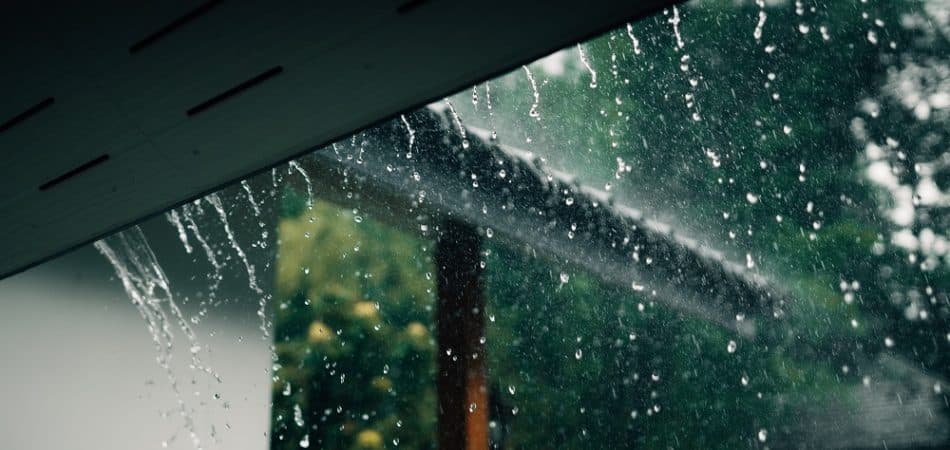
Seasonal rainfall in Knoxville, characterized by a humid subtropical climate with high-intensity rainfall events, significantly impacts drain performance by overwhelming, clogging, and putting pressure on systems through clay-rich soil saturation. The city’s reliance on systems designed for lower-volume, historic rainfall patterns, combined with increasing urbanization, means heavy rain often overwhelms existing infrastructure, leading to runoff management challenges throughout the year.
Knoxville sits in a humid subtropical climate zone with nearly 52 inches of rainfall per year and no true dry season. That steady, year-round precipitation is not just a weather fact. It is a direct force acting on every drain line, lateral, and underground pipe connected to your home.
Most homeowners think of drain problems as a plumbing issue. In Knoxville, they are just as much a weather issue. Seasonal rainfall shifts the soil, feeds tree roots, carries debris into drain openings, and raises groundwater to levels that stress underground pipe systems. The season determines the type of threat, not just the frequency of it.
At Tennessee Standard Plumbing, our team has worked through every rainfall pattern East Tennessee produces. If your drains are slowing down, backing up, or gurgling after rain events, the season itself is usually part of the diagnosis.
Contact us today to schedule an appointment to get ahead of whatever is building in your lines right now.
Knoxville’s rainfall is distributed across all 12 months with no extended dry period, which means residential drain systems never fully recover between rain events. Knox County’s clay-heavy soils retain moisture after each rainfall cycle, keeping underground pipe bedding in a near-constant state of expansion and contraction. The type of stress changes with the season, which is why the same drain can behave differently in March than it does in July or November.

Spring is one of Knoxville’s wettest seasons, with March averaging 4.89 inches of precipitation per NOAA normals. That volume, spread across days of steady rainfall, saturates the ground to a depth that affects underground pipe bedding, joint integrity, and root behavior. When soil becomes fully saturated, tree roots that normally seek water deeper underground shift toward the moisture trail created by drain line seams and joints. Spring is when most root intrusion events begin, even if the homeowner does not notice symptoms until summer or fall.
Surface debris also increases during spring. Rain washes organic matter, soil particles, and yard debris directly into exterior drain openings and window well drains. Without a functioning underground drainage system routing that runoff away from the home, pooling water begins working against the foundation.
July is Knoxville’s single wettest month by NOAA normals, averaging 5.25 inches of precipitation, but it arrives differently than spring rain. Summer precipitation typically comes in the form of intense thunderstorms that drop significant rainfall in short windows. A drain that moves water adequately during a light spring shower may back up completely when a summer storm drops an inch of rain in 30 minutes.
This surge effect is compounded by the organic buildup that accumulates inside drain pipes over warm months. Grease, soap scum, hair, and bacterial film thicken on pipe walls in warmer temperatures, narrowing the effective diameter of the drain. When a summer storm pushes a high volume of water through a partially restricted pipe, backups happen fast.
October is Knoxville’s driest month, averaging 2.81 inches of precipitation per NOAA normals, with September close behind at 3.49 inches. That relative dry stretch is deceptive. As leaf fall accelerates through October and November, exterior drain openings, gutters, and yard drains accumulate dense debris. When early winter rains return in December, that uncleared debris becomes saturated, compacts, and blocks water from entering the drain system at all.
The result is surface flooding and pooling around the home’s perimeter, which then creates the exact conditions for water to work into foundation gaps, crawl space vents, and low basement openings.
Knoxville’s seasonal rainfall raises the local water table, shifts clay-heavy soils around buried pipes, and accelerates tree root growth into drain line joints. These underground effects are the primary cause of drain failures that appear weeks or months after a major rain event, with no visible surface blockage to explain the problem.
 When the water table rises after extended rainfall, older clay tile or PVC drain pipes that have developed small joint separations begin to take on groundwater through those gaps. This groundwater infiltration adds volume to the wastewater system your pipes were not designed to carry, causing slow drains and backups even when nothing visible is blocking the line.
Joint separation worsens over time as the soil around the pipe shifts with repeated saturation and drying cycles. Knox County’s clay-heavy soils expand when wet and contract when dry, which creates ongoing lateral movement around buried pipes throughout the year.
Tree roots grow toward moisture. After a wet spring or extended summer rainfall period, roots that have found a small breach in a drain line joint can double their mass inside the pipe within a single growing season. By the time a homeowner notices gurgling or slow drainage, the root mass has often been growing for months.
Knoxville drain cleaning with video camera inspection identifies root intrusion early, before the blockage becomes a full stoppage or requires pipe section replacement.
Every significant rain event carries fine sediment through exterior drains and into the underground pipe system. Over time, that sediment settles in pipe low points and at horizontal transitions, building a layer of compacted material that progressively reduces flow capacity.
Hydro jetting, which blasts water through the pipe at up to 4,000 PSI, is the most effective method for removing this type of buildup because it clears the full pipe wall, not just the center channel.
Each season in Knoxville produces a distinct drain risk. Winter brings high rain-day frequency and groundwater infiltration near the foundation. Spring delivers peak soil saturation and root intrusion.
Summer thunderstorms create surge overloads in pipes narrowed by warm-weather buildup. Fall deposits leaf debris at drain openings before December rains return. Knowing which threat is active helps homeowners decide when to schedule service and what to watch for between appointments.
Scheduling preventive drain maintenance in Knoxville before the wettest months, specifically before spring and before winter rains return, addresses the majority of weather-related drain failures before they happen.
The most effective approach to rainfall-related drain problems is a maintenance schedule built around the season rather than waiting for a backup. Clearing exterior drain openings and yard drains before winter rains arrive, scheduling camera inspections in late winter to assess root intrusion before spring growth accelerates, and having lines professionally cleaned before summer storm season are all steps that align service with Knoxville’s actual rainfall calendar.
For homes with a history of slow drains, recurring backups, or pooling water after rain events, the drain clearing services in Knoxville available from Tennessee Standard Plumbing include video camera inspection, hydro jetting, and underground drainage assessment. Our team of licensed and master plumbers has managed drain systems through every season East Tennessee produces, and we know exactly what Knoxville’s rainfall does to residential plumbing over time.
Call us today to get your drains inspected before the next heavy rain season puts them to the test. Peaceful pipes, peaceful life.
Knoxville rainfall affects both indoor and outdoor drains. Outdoor drains and underground laterals handle stormwater directly, but indoor drains are impacted when groundwater infiltrates the main line through joint separations or when outdoor drain backups force water toward interior plumbing. Homes on older pipe systems are especially susceptible to indoor symptoms from outdoor rain events.
Knoxville averages nearly 52 inches of precipitation annually according to NOAA 1991-2020 normals, distributed across all 12 months with no true dry season. July is the single wettest month at 5.25 inches, with March close behind at 4.89 inches. October is the driest month at 2.81 inches. That year-round consistency means Knoxville drain systems face more sustained weather stress than homes in drier climates.
Late winter or early spring is the best time for a full drain inspection and cleaning in Knoxville. That timing addresses root intrusion from the previous wet season and prepares lines for spring saturation and summer storm surges. A second service call in early fall clears summer debris accumulation before December rains return.
Yes, heavy rain can cause a drain backup inside a Knoxville home. When exterior drains or underground laterals become overwhelmed or blocked, water backs up through floor drains, basement drains, or low-lying fixtures. This is most common during summer thunderstorms when a high volume of water moves through a partially blocked line faster than it can drain.
Groundwater infiltration is the most common cause of rain-related slow drains. When rainfall raises the water table, small gaps in underground pipe joints allow groundwater to enter the drain line, adding volume that slows normal wastewater flow. A video camera inspection identifies the exact location of infiltration points so the issue can be repaired at the source.
Yes, tree root intrusion is one of the most common causes of serious drain blockages in Knoxville and throughout Knox County. Knoxville’s wet springs create ideal conditions for root growth toward the moisture trail in drain line seams. Most root intrusions start as small feeder roots and expand into dense masses over one to two growing seasons. Video camera inspection is the only reliable way to find them before a full stoppage occurs.
Gurgling after heavy rain is a warning sign, not a normal sound. It indicates that air is being displaced by water entering or backing up in the line, which means the drain system is under pressure from a partial blockage, groundwater infiltration, or an overwhelmed vent stack. Gurgling after rain in Knoxville warrants a professional inspection, especially in spring and summer.
Yes, fall leaf debris directly affects underground drain performance in Knoxville. Leaves that accumulate over exterior drain grates or in yard drain catch basins compact when wet and prevent water from entering the underground system. When December rains arrive, the blocked opening turns surface runoff into foundation-level pooling that can work into crawl space vents and low basement openings.
Hydro jetting removes sediment, organic buildup, and debris that accumulates in drain pipes from stormwater runoff and seasonal rainfall. At 4,000 PSI, it clears the full pipe wall rather than just displacing a clog, which restores full flow capacity before the next heavy rain season. It is the most thorough cleaning method available for Knoxville residential drain systems.
Watch for pooling water in the yard or along the foundation, slow interior drains, gurgling sounds after rain, or soft and sunken ground above underground drain lines. Any of these signs following a wet Knoxville season indicates the underground drainage system needs professional inspection and likely service.


To find a plumbing leak in a slab, first, look for signs like a high water bill, the sound of running water, or warm spots on the floor. To confirm... Read More
High water pressure, commonly exceeding 80 PSI, acts as a constant, destructive force that accelerates wear and tear on plumbing systems in Knoxvil... Read More
You can spot a broken sewer line by looking for signs inside and outside your home, such as slow-draining fixtures, foul odors, and sewage backups.... Read More