
Why you should professionally get your cracked toilet repaired?
You should have a cracked toilet professionally repaired to prevent major damage like costly water leaks, structural damage to your subflooring, an... Read More

Same-Day Service Available
Need a Plumber in Knoxville? We’re Ready to Help!





A professional drain camera inspection uses a high-definition, waterproof camera mounted on a flexible cable to navigate your plumbing lines. This allows plumbers to detect issues such as clogs, root intrusions, cracks, or pipe sagging in real time. By pinpointing the exact location and severity of the problem, the inspection saves time and eliminates the need for destructive, exploratory digging.
If you’ve ever experienced a slow-draining sink, a backed-up shower, or recurring toilet clogs, you know how frustrating plumbing issues can be.
At Tennessee Standard Plumbing, we often recommend a professional drain camera inspection to diagnose these problems accurately. Using advanced technology, drain camera inspections allow our plumbers to see inside your pipes without unnecessary digging or guesswork.
Don’t wait until a small clog turns into a major plumbing disaster. Contact us today to schedule your professional drain camera inspection and get a clear view of what’s happening inside your pipes!
Traditional plumbing diagnostics often rely on guesswork, which can lead to unnecessary repairs and higher costs. Drain camera inspections provide a clear, visual picture of the interior of your pipes.
Some of the common reasons you might need this inspection include:
By using a camera, plumbers can pinpoint the exact location and cause of the problem, saving time and money while preventing unnecessary excavation or pipe replacement.
Professional drain camera inspections rely on specialized equipment designed to navigate your pipes safely and provide high-quality visuals.
The key components include:

This combination of tools ensures that the inspection is precise, non-invasive, and effective.
A drain camera inspection follows a structured process to ensure accuracy and safety.
Here’s what typically happens:
This process typically takes less than an hour for standard residential drains, though larger sewer lines may require more time.
Drain camera inspections can identify a wide range of plumbing issues, some of which may not be obvious from the surface.
Common findings include:
By detecting these issues early, homeowners can avoid costly emergency repairs and maintain a healthy plumbing system.
Traditional plumbing methods often rely on guessing or partially exposing pipes to locate problems.
This can involve:
In contrast, a drain camera inspection is non-invasive, precise, and efficient. It provides a clear, visual record of the issue, allowing plumbers to perform the exact repair needed without unnecessary disruption to your home.
Absolutely. Professional drain cameras are designed to navigate pipes safely without causing damage. The flexible cable is gentle on even older plumbing systems, and the inspection doesn’t involve harsh chemicals or invasive digging. The process is also safe for both residential and commercial plumbing systems.
We combine years of experience with state-of-the-art drain camera technology.
Our team provides:
By trusting a professional team, you ensure that your plumbing issues are addressed efficiently and correctly the first time.
A professional drain camera inspection offers homeowners and businesses peace of mind. By identifying problems early, you can prevent costly repairs, minimize disruption, and extend the life of your plumbing system.
If you’re experiencing slow drains, recurring clogs, or suspect hidden damage, don’t wait until it’s too late. Contact Tennessee Standard Plumbing today to schedule a drain camera inspection and see what’s happening inside your pipes. Our team will provide a thorough assessment and recommend the best solutions for your home or business!
Most professional drain cameras can travel up to several hundred feet through main sewer lines, allowing plumbers to inspect the full length of your home’s plumbing system, including deep or hard-to-reach areas.
No. Modern drain cameras are designed to be flexible and gentle, even in older or fragile pipes. The process is non-invasive and avoids the use of harsh chemicals or unnecessary digging.
Yes, it is highly recommended. While the equipment is advanced, proper training is essential. Certified plumbers learn to interpret video feeds accurately, identify subtle pipe issues, and recommend the best course of action.
Definitely, older homes may have corroded, misaligned, or brittle pipes. A camera inspection can reveal these hidden problems, helping homeowners plan repairs or upgrades before a major failure occurs.
Yes. Sagging sections, also called pipe “bellies,” trap water and debris, causing frequent clogs. The camera allows plumbers to identify these areas and recommend repairs like pipe replacement or relining.
Yes. Camera inspections can be performed on PVC, cast iron, copper, clay, and other common residential and commercial pipe materials. The camera’s flexible design allows it to navigate various pipe types safely.


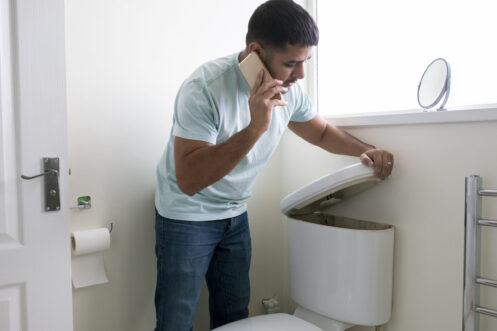
You should have a cracked toilet professionally repaired to prevent major damage like costly water leaks, structural damage to your subflooring, an... Read More
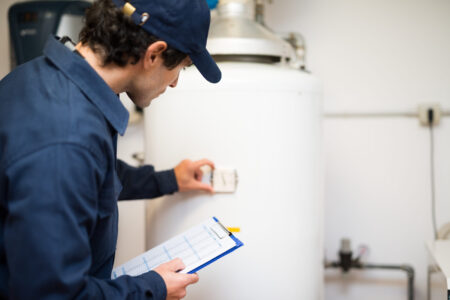
Tankless water heaters offer impressive energy efficiency and a longer lifespan than traditional tank units. However, they come with limitations li... Read More

A plumber unclogs a main sewer line using specialized tools like motorized augers (drain snakes), hydro-jetting, and video cameras to loc... Read More