
How to Fix and Prevent Plumbing Leaks: Best Sealants and Solutions
To address and prevent plumbing leaks, small leaks can be temporarily managed using sealants such as epoxy putty or self-fusing silicone tape, appl... Read More

Same-Day Service Available
Need a Plumber in Knoxville? We’re Ready to Help!




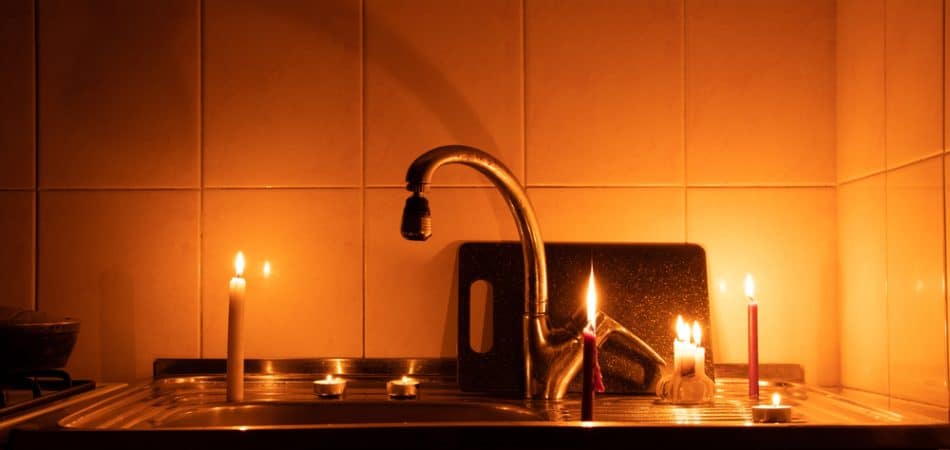
Power outages, especially during severe weather, can cause significant, costly damage to a home’s plumbing system. Because modern plumbing often relies on electricity for pumps, sensors, and heating, a blackout can turn everyday systems into hazards.
The lights go out, the house goes quiet, and your first instinct is to grab a flashlight. That reaction makes sense. But while you’re focused on restoring electricity, your plumbing system is quietly entering a vulnerable state that most homeowners never think about until water is pooling on the basement floor or a sewage smell is filling the house.
Power outages and plumbing are more connected than most people realize. A plumbing risk during a power outage is any failure in a water-dependent home system caused by the loss of electricity. Several of the systems that keep water flowing safely through your home depend on power to operate. When that electricity disappears, so do the safeguards.
At Tennessee Standard Plumbing, we’ve responded to thousands of outage-related plumbing emergencies across the Knoxville area. If you’re dealing with a plumbing issue right now, call us today for same-day service.
This is the most common plumbing consequence of a power outage and the one with the most immediate damage potential. A sump pump runs on electricity. When the power goes out, the pump stops. But the water doesn’t.
 If your outage coincides with heavy rain, groundwater continues to rise around your foundation. The sump basin fills and overflows. Depending on your basement or crawlspace layout, flooding can begin within hours. In the greater Knoxville area, homes in neighborhoods like Powell, Halls, and parts of South Knoxville are particularly susceptible because of the clay-heavy soil that channels water toward foundations during storms.
A battery backup system for your sump pump is one of the most effective defenses. If your setup doesn’t include one, a sump pump installation or upgrade is worth scheduling before the next storm season.
Homes with below-grade bathrooms or basement laundry rooms rely on ejector pumps to push waste upward into the sewer system. Like sump pumps, ejector pumps run on electricity. When the power fails, waste from those lower-level fixtures has nowhere to go.
The risk goes beyond water damage. Sewage backup creates a health hazard, carrying bacteria, viruses, and pathogens that make the affected area unsafe. The longer the outage lasts and the more those fixtures are used during it, the worse it gets.
The immediate protective step: stop using any fixture below the main sewer line. No flushing the basement toilet, no running the basement sink. If you notice signs of sewage pump problems, have a professional assess the system once power returns.
No power means no hot water from an electric tank or heat pump water heater. Inconvenient, yes. But the issue runs deeper than cold showers.
During prolonged outages, stagnant water in a tank that isn’t maintaining temperature can develop bacterial growth. Legionella thrives in water between 77°F and 113°F, which is exactly where a cooling tank lands after several hours. After power returns, running the heater long enough to bring the full tank above 140°F before using any hot water is a safety step most homeowners skip because they don’t know it’s needed.
Post-outage power surges can also damage heating elements or thermostats in older units. If your water heater is more than eight years old, it’s more susceptible to this kind of electrical stress.
 When a power outage happens during cold weather, your heating system stops. Interior temperatures drop. And the pipes in the most vulnerable areas of your home (exterior walls, crawlspaces, attics, garages) start moving toward freezing.
East Tennessee experiences ice storms and freezing temperatures regularly between December and March. In January 2024, Knoxville recorded seven consecutive days with lows in the single digits and teens, with temperatures dropping to zero degrees on January 17.
That cold snap produced a wave of burst pipe calls across Knox, Anderson, and Blount counties. In many cases, a concurrent power outage was the factor that pushed pipes past the breaking point.
If a pipe has already burst, burst pipe repair should happen as soon as possible to prevent structural water damage.
Homeowners on KUB municipal water typically still have water pressure during most outages because the system relies on water towers and gravity-fed storage that maintain pressure even when pump stations lose power temporarily.
But if your home uses a private well, which is common in Corryton, Heiskell, Luttrell, and parts of Seymour, your water supply depends entirely on an electric well pump. When the power goes out, you’ll have whatever water remains in your pressure tank.
Most residential pressure tanks hold between 20 and 85 gallons total, but the actual usable water (called drawdown) is only about one-third of that, roughly 5 to 25 gallons depending on tank size and pressure settings. Once that supply is gone, you have no running water.
Keeping stored water on hand for outage situations is a practical step. A generator that can power your well pump is a longer-term solution worth considering if you live in an area with frequent or prolonged outages.
Preparation is the difference between a minor inconvenience and a costly emergency. A few targeted steps can protect your plumbing system when the power fails:
 Install a battery backup on your sump pump and test it every few months to confirm the battery holds a charge
A power outage reveals every vulnerability in your plumbing system at the worst possible time. The homeowners who come through outages without damage are the ones who addressed those vulnerabilities before the storm arrived.
Whether you need a sump pump backup installed, a water heater inspected, or a full plumbing evaluation, Tennessee Standard Plumbing is ready to help.
Contact us to schedule your appointment today.
Yes. Sump pumps, sewage ejector pumps, electric water heaters, and well pumps all require electricity. When the power goes out, these systems stop working and can lead to flooding, sewage backup, or a total loss of running water.
No. A standard sump pump stops the moment power is lost. A battery backup system is the only way to keep it running during an outage.
Flooding can begin within a few hours during heavy rain, especially in areas with clay-heavy soil like much of the Knoxville region. Clay channels water toward foundations rather than absorbing it.
Yes. Raw sewage carries bacteria, viruses, and pathogens that pose serious health risks. Stop using all fixtures below the main sewer line immediately if the power goes out.
The outage itself does not cause damage, but the power surge that often follows restoration can harm heating elements and thermostats. Units older than eight years are more susceptible.
Yes. Legionella bacteria thrive between 77°F and 113°F, which is where a cooling tank lands after several hours without power. Run the heater above 140°F before using hot water once power returns.
Homes on municipal water typically do, since the system uses water towers and gravity-fed storage. Homes on private wells lose pressure immediately because the well pump needs electricity to run.
Open cabinet doors under sinks on exterior walls, let faucets drip at a slow steady stream, and shut off the main water supply if you are leaving the home.
No. An electric water heater stops heating on its own when it loses power. When power returns, check for tripped breakers or a popped reset button as signs of surge damage.
Install a battery backup on your sump pump, insulate exposed pipes, locate your main water shut-off valve, and schedule a plumbing inspection to catch weak points before an outage exposes them.


To address and prevent plumbing leaks, small leaks can be temporarily managed using sealants such as epoxy putty or self-fusing silicone tape, appl... Read More

According to the U.S. Environmental Protection Agency (EPA), at just one drip per second, a single plumbing leak could waste up to 3,000 gallons of... Read More
Frequent plumbing repairs can indicate that your pipes are aging, corroded, or near the end of their lifespan. In such cases, replacement is often ... Read More