
How to Diagnose and Fix Water Pressure Issues at Home
Many people suffer from terrible water pressure without realizing that it can be easily solved by a plumbing expert. Many of the homes where we ... Read More

Same-Day Service Available
Need a Plumber in Knoxville? We’re Ready to Help!




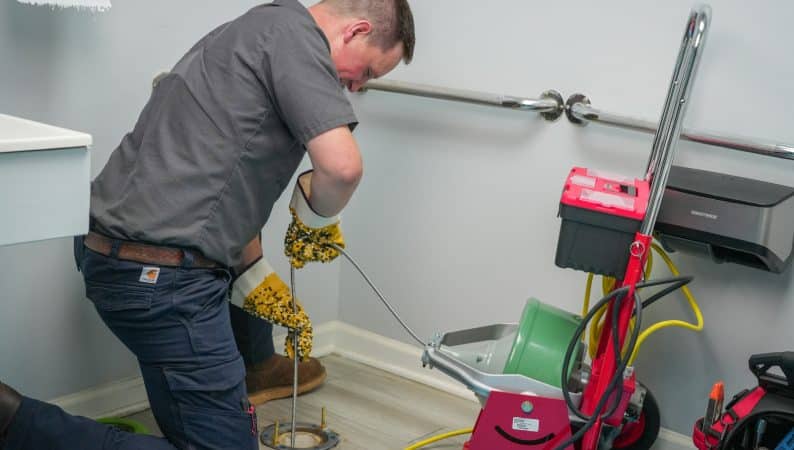
When a pipe bursts or your water heater stops working, you need reliable help from someone you can trust. But who do you call: a licensed plumber or a handyman? Understanding the difference can save Tennessee homeowners thousands of dollars, prevent safety hazards, and protect their property from costly damage.
A licensed plumber is a trained professional who has met Tennessee’s state requirements to legally perform plumbing work. A handyman, by contrast, is a general maintenance worker who handles minor repairs but cannot legally perform plumbing work in Tennessee, regardless of project size.
A licensed plumber in Tennessee has met specific state requirements to legally install, repair, and maintain plumbing systems. The Tennessee Board for Licensing Contractors, established in 1931, regulates plumbers to protect public health, safety, and welfare.

Tennessee offers two main plumbing license classifications at the state level. The Limited Licensed Plumber (LLP) license is the entry point for most plumbing professionals. Candidates must document their experience through employer verification or client references before sitting for the 40-question state trade examination. This license covers the majority of residential plumbing work.
For larger projects exceeding $25,000, plumbers must hold a Contractor license with a CMC or CMC-A plumbing classification. This advanced credential requires passing both trade and business law examinations, demonstrating the plumber understands not only technical skills but also contract requirements, permits, and legal obligations to customers.
Licensed plumbers must carry general liability insurance and workers’ compensation if they have employees. These requirements exist because plumbing work directly impacts water safety, sanitation, and the structural integrity of homes.
Tennessee law allows handymen to perform general repair and maintenance work on projects valued under $3,000 without any license. This includes tasks like basic carpentry, furniture assembly, painting, fixing doors and windows, and mounting televisions.
However, the law specifically excludes electrical, HVAC, and plumbing from handyman work because these trades require specialized training and directly affect homeowner safety. Even simple plumbing tasks like installing a faucet require proper licensing.
In certain Tennessee counties including Knox, Davidson, Hamilton, Shelby, Bradley, Haywood, Marion, Robertson, and Rutherford, projects between $3,000 and $24,999 require a Home Improvement Contractor license. Even with this license, contractors cannot perform plumbing work unless they hold separate plumbing credentials.
Tennessee’s plumbing regulations exist to protect homeowners. Improperly installed plumbing can lead to contaminated water supplies, sewage backups, gas leaks, and structural water damage that costs tens of thousands of dollars to repair.
Licensed plumbers understand building codes, proper pipe sizing, venting requirements, and backflow prevention. They know how to work safely with gas lines and how to ensure your plumbing system connects properly to municipal water and sewer systems.
When a licensed plumber pulls a permit and completes work, a local inspector verifies the installation meets code requirements. This inspection process doesn’t happen with unlicensed work, leaving homeowners vulnerable to hidden problems that may not surface for months or years.
Hiring someone without proper plumbing credentials exposes homeowners to significant risks. Insurance complications top the list if an unlicensed worker causes damage or is injured on your property; your homeowner’s insurance may deny the claim.
Code violations create another serious concern. Unpermitted plumbing work can cause problems when you sell your home, as inspectors often flag obvious amateur installations. You may be required to tear out walls and redo the work properly before closing.
Water damage from faulty installations can destroy flooring, drywall, and personal belongings. Improper drain installations can cause sewage backups into your home. Incorrect gas line connections create explosions and carbon monoxide risks.
Perhaps most concerning, you have limited legal recourse if something goes wrong. Licensed contractors carry insurance and bonds specifically designed to make homeowners whole when problems occur.
 Certain plumbing situations always require a licensed professional. Water heater installation and repair involve electrical or gas connections, proper venting, and pressure relief valve placement—all areas where mistakes can be dangerous or even deadly.
Drain and sewer line work requires specialized equipment like video inspection cameras and hydro jetting machines. Licensed plumbers can diagnose problems accurately rather than guessing, saving you money on unnecessary repairs.
Any work involving your home’s water supply lines, from leak repairs to whole-house repiping, requires professional expertise. Incorrect repairs can lead to flooding, low water pressure, or contaminated drinking water.
Gas line installation for appliances like stoves, dryers, and outdoor grills must be performed by licensed professionals. Gas leaks can cause explosions, fires, and carbon monoxide poisoning.
Underground plumbing repairs, including water line replacement and sewer line repairs, involve significant excavation and specialized techniques. These projects often require permits and inspections.
Some tasks genuinely fall within handyman territory. Replacing a showerhead, installing a new toilet seat, or changing out cabinet hardware are simple swaps that don’t require professional plumbing knowledge.
Basic caulking around tubs and sinks, fixing a running toilet with a flapper replacement, or tightening a loose faucet handle are minor maintenance tasks most capable adults can manage.
The key distinction is whether the task involves actual plumbing system components. Replacing decorative fixtures is different from connecting water supply lines or drain pipes.
Verifying a plumber’s credentials takes just minutes and provides valuable peace of mind. The Tennessee Department of Commerce and Insurance maintains an online license search tool where you can confirm any plumber’s current license status.
Start every conversation by asking for the license number and verifying it online.
Licensed plumbers bring more than credentials to your home. They bring diagnostic expertise that identifies the actual problem rather than just treating symptoms. They bring proper tools and equipment that enable repairs the average person simply cannot perform.
Professional plumbers stay current on building codes and best practices. They know which materials work best for specific applications and which products to avoid. This knowledge prevents callbacks and extends the life of repairs.
Plumbing problems demand quick resolution. Licensed plumbers can often complete repairs in hours that might take an unlicensed worker days to fumble through—if they can complete them at all.
Your home’s plumbing system delivers clean water for drinking, cooking, and bathing while safely removing waste. This system directly impacts your family’s health and your property’s value. Trusting it to unqualified workers creates unnecessary risk.
Tennessee’s licensing requirements exist because plumbing mistakes can be dangerous, expensive, and difficult to correct. Working with licensed professionals ensures your plumbing meets code requirements, functions properly, and comes with recourse if problems develop.
The few dollars you might save hiring an unlicensed worker rarely justify the potential consequences. Professional plumbing services are an investment in your home’s safety, functionality, and long-term value.
 When you need plumbing work done right the first time, Tennessee Standard Plumbing is here to help. Our team of licensed plumbers brings the expertise, proper credentials, and professional-grade equipment to handle any plumbing challenge, from simple repairs to complex installations.
We believe in treating every customer like family. That’s why we offer upfront pricing with no surprises, same-day service availability, and our “We Own It Guarantee”—if something goes wrong, we make it right.
With over 2,000 five-star Google reviews, thousands of Knoxville homeowners and businesses trust us to solve problems other plumbers walk away from. Whether you’re dealing with a stubborn drain, a failing water heater, a hidden leak, or need a full bathroom remodel, our licensed professionals have the training and tools to get the job done.
Don’t risk your home with unlicensed work. Schedule your appointment with Tennessee Standard Plumbing or call (865) 352-9003 today and experience the difference that true professionals make.
No. Tennessee law prohibits unlicensed workers from performing plumbing work regardless of project cost. While handymen can handle general repairs under $3,000, plumbing requires a Limited Licensed Plumber (LLP) license or a contractor license with plumbing classification. This applies even to seemingly simple tasks like installing a new faucet or replacing a garbage disposal.
A licensed plumber has completed required training, passed state examinations, documented work experience, and carries proper insurance to legally perform plumbing work. A handyman performs general maintenance and repairs but lacks the credentials, training, and legal authorization to work on plumbing systems. Licensed plumbers can pull permits, pass inspections, and provide warranties that protect homeowners.
You can verify any plumber’s license status through the Tennessee Department of Commerce and Insurance online license search tool. Enter the plumber’s name or license number to confirm their credentials are current and valid. Legitimate plumbing companies readily provide their license numbers and encourage verification.
Hiring unlicensed workers for plumbing creates several risks. If an unlicensed worker causes damage or is injured on your property, your homeowner’s insurance may deny the claim. Code violations can complicate future home sales. You have limited legal recourse if problems arise. Faulty installations can cause water damage, sewage backups, or gas leaks that cost far more to repair than hiring a licensed professional would have cost originally.
Any work involving water supply lines, drain and sewer systems, water heaters, gas lines, or underground plumbing requires a licensed plumber in Tennessee. This includes installations, repairs, and replacements. Tasks like replacing decorative fixtures or basic maintenance may not require a license, but anything involving actual plumbing connections does.



Many people suffer from terrible water pressure without realizing that it can be easily solved by a plumbing expert. Many of the homes where we ... Read More

Teflon tape seals water supply lines by filling in the gaps and grooves of the threads, and lubricating them so they can be tightened more deeply. ... Read More

Hydro jetting is an effective, non-invasive plumbing method that employs high-pressure water to eliminate tough blockages and deeply clean the insi... Read More