
Why Water Heater Maintenance is More Important Than You Think
You know the feeling. You turn on the shower and wait for it to get warm, but it never does. And you may have even gone to the utility room thinkin... Read More

Same-Day Service Available
Need a Plumber in Knoxville? We’re Ready to Help!




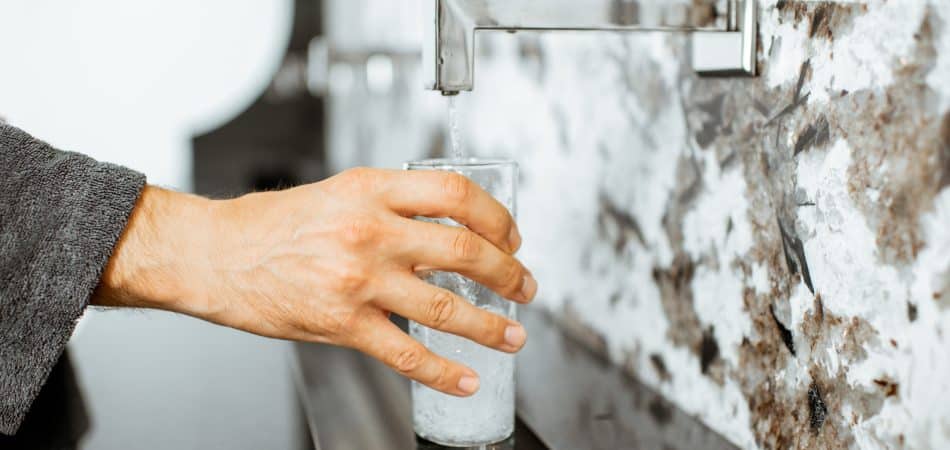
Mineral buildup from hard water gradually narrows pipes and reduces water flow by up to 40% within 10-15 years. Installing a water softener is the most effective way to prevent this damage and protect your plumbing system.
Hard water has minerals in it that build up inside your pipes over time. This buildup, called limescale, sticks to the inside walls of your pipes and fixtures. As it gets thicker month after month, it slows down your water flow and makes your water heater and appliances work harder and less efficiently.
Tennessee Standard Plumbing helps homeowners in Knoxville deal with hard water problems through residential plumbing services. If your water pressure is dropping or you see white, chalky stuff on your faucets, let our team take a look and get your water flowing strong again.
Mineral buildup happens when water with lots of calcium and magnesium flows through your pipes. These minerals stick to the inside of your pipes, water heater, and faucet screens.
The problem gets worse when the water gets hot. That’s why your hot water pipes and water heater get the most buildup. In Knoxville, the clay soil around your underground pipes pushes on them and makes them weaker.
When you combine that pressure with minerals building up inside, your pipes can fail faster. The minerals get into your water naturally as it flows through limestone and other rock underground before it reaches your home.
Mineral buildup can cut your water flow in half within 10 to 15 years if you have really hard water. A normal half-inch copper pipe can lose about 15 to 20 percent of its opening in just 5 to 7 years.
How fast it builds up depends on how hard your water is. If you have moderately hard water, you’ll get about 2 to 3 pounds of buildup over 10 years.
If you have very hard water, you could get 8 to 12 pounds of hard, rock-like deposits in the same time. This slow narrowing makes your plumbing system work harder to push the same amount of water through, so you notice your shower pressure dropping and your faucets running slower.
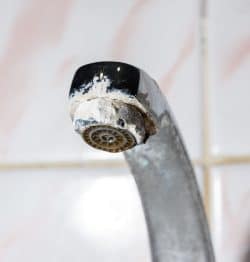 Look for white, chalky powder on your showerheads, stubborn soap scum on your shower doors, and spots on your dishes even after they’re washed. You’ll also notice your water pressure getting weaker at multiple faucets in your home.
But there’s more happening that you can’t see. Hard water hurts your appliances too. You might hear popping or rumbling sounds from your water heater, which means water is boiling under a thick layer of gunk at the bottom. Your clothes might feel stiff or look dull because minerals mess with how detergent works.
If you’re calling for water leak repairs a lot, the problem might be rust and corrosion caused by mineral buildup inside your pipes.
Hard water creates a thick layer of scale between the heating element and the water. This makes your water heater burn more energy to heat your water, which drives up your electric or gas bill.
As the layer gets thicker, it traps heat at the bottom of the tank. All that extra heat makes the metal expand and shrink unevenly, which eventually causes cracks and leaks.
With tankless water heaters, the buildup clogs the tiny pipes inside and the system shuts down or shows error codes. You need to flush and maintain your water heaters regularly to keep them working, but in hard water areas they don’t last nearly as long as they should.
The best way to stop mineral buildup is to install a whole-house water softener. These systems remove calcium and magnesium from your water before it gets to your pipes.
The softener uses a special resin that catches the hard minerals and swaps them out for a tiny bit of salt. Since it works at your main water line, it protects every pipe, faucet, and appliance in your whole house.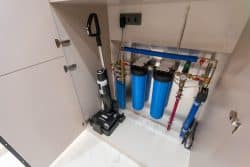
Another option is a scale inhibitor, which changes how the minerals behave so they don’t stick to your pipes, but it doesn’t actually remove them from the water.
If you just want to clean the white stuff off your faucet screens and showerheads, you can use white vinegar, which dissolves the calcium buildup pretty well.
Taking care of mineral buildup early saves your pipes from damage that can’t be fixed and gets your water flowing the way it should. Using the right water treatment keeps your appliances working longer and saves you from constant scrubbing and cleaning.
Tennessee Standard Plumbing offers real solutions for homes dealing with hard water. Call us today to talk about our water filtration options and get your plumbing system working like new again.
Yes, it can. After 15 to 20 years of very hard water, the buildup gets so thick and stuck to the pipe walls that water can’t flow through anymore. At that point, you have to replace the pipe.
A water softener won’t clean out old buildup right away. But after a few months of soft water running through your system, the water can slowly dissolve and wash away some of the buildup that’s already there.
No, hard water minerals like calcium and magnesium are safe to drink and actually good for you. The real problems are that they damage your pipes, make your appliances less efficient, and create cleaning headaches around your house.
You can get a professional water test or buy a home testing kit to measure how hard your water is. Easy signs are white crust on your faucets, dry skin after you shower, and soap that won’t lather up.
Vinegar works on light mineral stains on your fixtures, but it’s not strong enough to clear a drain that’s badly clogged with mineral buildup. For serious clogs deep in your pipes, you’ll need professional help or pipe replacement.



You know the feeling. You turn on the shower and wait for it to get warm, but it never does. And you may have even gone to the utility room thinkin... Read More
You know you have a gas leak when the signs show up clearly at home or at work. A gas leak means natural gas escapes from pipes or appliances into ... Read More
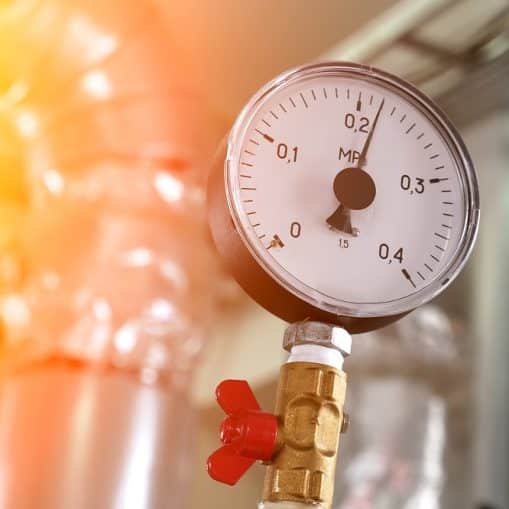
High water pressure, commonly exceeding 80 PSI, acts as a constant, destructive force that accelerates wear and tear on plumbing systems in Knoxvil... Read More