
What Happens During a Professional Drain Camera Inspection?
A professional drain camera inspection uses a high-definition, waterproof camera mounted on a flexible cable to navigate your plumbing lines. This ... Read More

Same-Day Service Available
Need a Plumber in Knoxville? We’re Ready to Help!




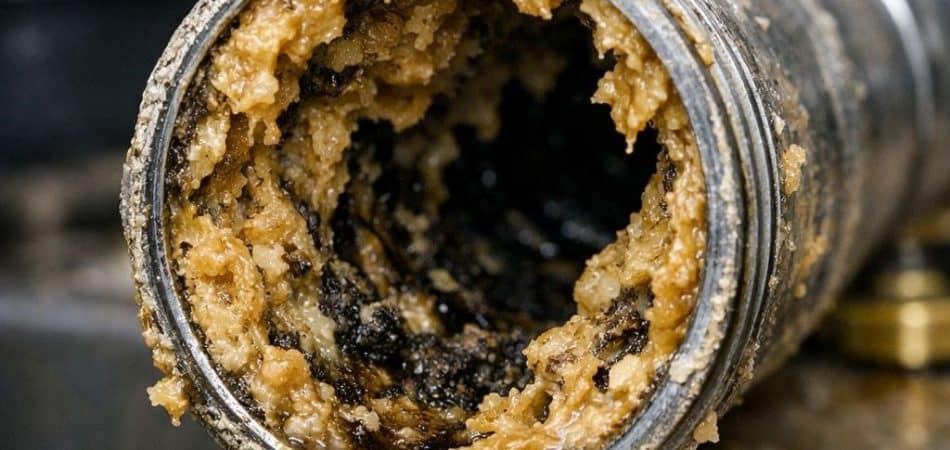
Grease buildup in Knoxville kitchen pipes forms when fats, oils, and grease (FOG) poured down drains cool and solidify, clinging to pipe walls. This debris traps food particles, creating thick, stubborn clogs that narrow pipe diameter, leading to slow drains and, if untreated, total blockages, necessitating, for example, professional hydro-flushing.
Most Knoxville homeowners assume grease goes down the drain and keeps going. It looks liquid in the pan, flows freely with hot water, and the sink drains fine afterward. But what happens inside the pipe after the water stops running is an entirely different process, and it is why kitchen drains fail more often than any other drain in the home.
At Tennessee Standard Plumbing, our licensed plumbers diagnose grease-related kitchen drain problems every week. The pattern is almost always the same: gradual buildup, ignored warning signs, and a blockage that turns a simple maintenance call into a much larger repair.
If your kitchen sink is draining slowly or backing up, contact us now before the problem deepens.
Grease buildup in kitchen drain pipes begins the moment hot FOG enters the drain and contacts cooler pipe surfaces. The industry term FOG stands for fats, oils, and grease, the category of substances responsible for the majority of kitchen drain blockages. Each type of FOG solidifies at a different rate, but all follow the same pattern: liquid going in, solid building up on the pipe wall.
 When cooking fat, oil, or grease is liquid, it flows easily. Bacon grease poured into a hot sink with running water appears to drain completely. The problem begins the moment that liquid grease moves past the drain opening into the cooler pipe section below the sink. As temperature drops, the fat transitions from viscous to a sticky, waxy solid that clings to the interior pipe wall.
This cooling and solidification process begins within inches of the drain opening. The first deposit is thin and has no effect on water flow, but it is now a surface for the next round of grease to adhere to. Each cooking session adds another layer. Over days and weeks, those layers compound.
FOG deposits build in layers, with each new coating of grease bonding to the one before it. Food particles, soap residue, and organic debris that pass through the drain get trapped in the sticky grease surface, creating a rougher texture that catches even more material on the next drain cycle.
Standard residential kitchen drain lines measure 1.5 to 2 inches in interior diameter. As FOG layers build, that opening narrows. Water that once drained in seconds begins taking minutes, and the homeowner notices slower drainage but often attributes it to a minor clog rather than a systemic grease accumulation extending several feet into the line.
Grease buildup does not stay soft indefinitely. A chemical reaction called saponification occurs when free fatty acids in FOG contact calcium ions present in hard water and pipe materials, producing calcium-based fatty acid salts. These are dense, soap-like solids that bond to pipe surfaces and do not dissolve in water.
Saponification transforms a soft grease coating into hardened pipe scale, a chalky, waxy deposit that does not dissolve in water. East Tennessee has areas with elevated hard water mineral content, which accelerates this reaction and puts Knoxville homeowners at higher risk of rapid FOG hardening than households in soft water regions.
Grease buildup in kitchen drain pipes is cumulative. No single meal creates a blockage. The problem develops from daily habits repeated across months and years, and many of the biggest contributors are ones homeowners never recognize as a risk.
Bacon grease, butter, lard, meat drippings, and cooking oils are the primary sources of FOG in residential kitchen drains. These substances are liquid at cooking temperatures but solidify at room temperature or below. Pouring them down the sink with hot water does not prevent solidification. The grease simply travels further into the pipe before cooling and depositing on the wall.
 Rinsing a pan that held ground beef, fried chicken, or roasted vegetables sends a film of emulsified fat into the drain with every wash. The quantity is small each time but accumulates consistently. Wiping pans with paper towels before rinsing is one of the most effective habits for reducing FOG introduction into the drain line.
A garbage disposal grinds food into small particles but does not eliminate fat or grease from those particles. Ground meat scraps, cheese, cream-based sauces, and fatty food residue all pass into the drain line as a fat-rich slurry that deposits on the pipe wall as it cools. Proper garbage disposal services in Knoxville include guidance on which food scraps should never enter the unit to protect the connected drain line.
A common misconception is that dish soap dissolves grease before it reaches the pipe wall. Dish soap emulsifies grease into smaller droplets that disperse in water, but those droplets are still fat. When the water temperature drops inside the pipe, emulsification breaks down and the fat recombines, depositing further into the drain line than the original grease would have reached.
Kitchen drain grease buildup is self-reinforcing. Once a deposit forms on a pipe wall, it creates a rougher surface that catches more material. Once the pipe diameter narrows, water velocity slows, giving grease more time to settle before reaching the main sewer line. The longer buildup goes without professional clearing, the faster new material accumulates on top of it.
Cast iron drain stacks, common in Knoxville homes built before the 1970s, have interior surfaces that corrode and roughen over time. That rough texture provides more surface area for FOG to bond to compared to smooth PVC pipe walls.
Homes with galvanized steel supply lines from the same era also face accelerated grease accumulation where those lines connect to cast iron drain runs, since corroded metal interiors throughout the system trap debris faster than newer plastic drain lines.
A drain 40 to 50 percent narrowed by grease buildup may still drain acceptably during light use. The problem appears when a full sink of dishes is washed or the garbage disposal runs for an extended period.
The narrowed pipe cannot handle the volume, water backs up, and each backup event forces debris deeper into the grease coating. This is when kitchen clog removal in Knoxville becomes necessary rather than optional.
Preventing grease buildup in kitchen drain pipes requires changing the habits that introduce FOG into the drain, combined with scheduled professional maintenance to remove buildup that accumulates regardless of how careful a household is.
The most direct prevention method is keeping grease out of the drain entirely. Let cooking fat cool in the pan, then pour it into a sealed container and dispose of it in the trash. Wipe greasy pans with a paper towel before washing and use a sink strainer to catch food particles that carry fat residue into the drain.
 Flushing the kitchen drain with hot tap water for a minute or two once a week helps soften and move early-stage grease deposits before they harden through saponification. This is a maintenance habit, not a clog solution, and it works best on FOG that has not yet reacted with calcium ions to form pipe scale.
Avoid boiling water, which can damage PVC pipe joints in modern plumbing. Learn more about the professional drain cleaning benefits that go beyond what any home routine can accomplish.
No home maintenance routine removes hardened grease scale from pipe walls. Drain cleaning services in Knoxville use camera inspection to locate accumulation and apply the right clearing method for the severity and location of the buildup. For hardened FOG deposits, hydro jetting services in Knoxville delivers pressurized water at up to 4,000 PSI to scour the full interior circumference of the drain line, removing grease scale and trapped debris completely.
A slow kitchen drain is not a minor inconvenience. It is the visible sign of a grease accumulation process that has been building inside your pipe for weeks or months. Left unaddressed, that buildup hardens through saponification, narrows the drain line further, and eventually creates a complete blockage that no plunger or store-bought product can resolve.
Tennessee Standard Plumbing serves homeowners throughout Greater Knoxville with the camera inspections, drain clearing, and hydro jetting needed to remove grease buildup completely and keep kitchen drain lines flowing long-term. Call us today or schedule online today.
Grease buildup forms when fats, oils, and grease enter the drain as hot liquids and solidify against the pipe wall as they cool. Bacon grease, butter, cooking oil, meat drippings, and food residue from dishes and the garbage disposal are the primary contributors. Over time, each layer of solidified grease traps food particles and debris, steadily narrowing the drain.
The timeline depends on cooking habits and how much FOG enters the drain regularly. Within hours of a large grease introduction, initial deposits begin forming. Over weeks to months of routine cooking without preventive habits, grease layers build to the point where drainage slows noticeably. A complete blockage can develop within months in households that regularly pour grease down the drain.
Hot water softens fresh grease deposits and moves them further down the line, but it does not dissolve hardened grease or pipe scale. Running hot water after pouring grease down the drain delays but does not prevent buildup. Once grease has cooled and hardened through saponification, hot water alone cannot remove it.
No. A garbage disposal grinds food into small particles but does not eliminate the fat content of those particles. Ground meat scraps, cheese, and fatty food residue pass through the disposal and into the drain as a fat-rich slurry that deposits on the pipe wall as it cools. Proper disposal use and knowing which foods to keep out of the unit are important for protecting the connected drain line.
The most common signs are slow drainage after washing dishes, water pooling in the sink during use, gurgling sounds from the drain, and foul odors near the sink. These odors come from food particles trapped in the grease deposit and organic material breaking down inside the pipe. Any of these signs indicate that grease accumulation is already underway.
Dish soap emulsifies grease into small droplets that disperse in water, but it does not remove grease from the plumbing system. Those droplets re-solidify as water cools inside the pipe, depositing further into the drain line than the original grease would have reached. Soap reduces visible grease on dishes but does not protect the pipe from FOG accumulation.
Older homes with cast iron drain lines have interior pipe surfaces that corrode and roughen over time. That rough texture provides more surface area for grease to bond to compared to smooth PVC plastic. Homes from the same era also often have galvanized steel supply lines, and where corroded metal connects to drain runs throughout the system, debris accumulates faster. East Tennessee hard water also accelerates the saponification reaction that turns soft grease into hardened pipe scale, making older homes in Knoxville particularly susceptible to rapid FOG buildup.
A plunger can temporarily restore partial flow through a grease clog, but it does not remove the grease from the pipe wall. A drain snake punches through the blockage but leaves the coating behind. Both methods provide temporary relief without addressing the accumulation that caused the clog. Professional hydro jetting is the only method that fully removes hardened grease from the interior of the drain line.
Most households benefit from professional kitchen drain cleaning once a year. Homes where grease-heavy cooking is frequent, where the garbage disposal handles a high volume of food scraps, or where the drain has a history of recurring clogs may need service every six months. A camera inspection during the service visit helps determine the rate of accumulation and the appropriate cleaning interval for each home.
Hydro jetting delivers pressurized water at up to 4,000 PSI through a specialized nozzle that scours the full interior circumference of the drain line. Unlike snaking, which punches through the center of a blockage, hydro jetting removes the grease coating adhered to the pipe wall itself, including hardened FOG scale that has formed through saponification. The result is a drain line restored to its original interior diameter.


A professional drain camera inspection uses a high-definition, waterproof camera mounted on a flexible cable to navigate your plumbing lines. This ... Read More
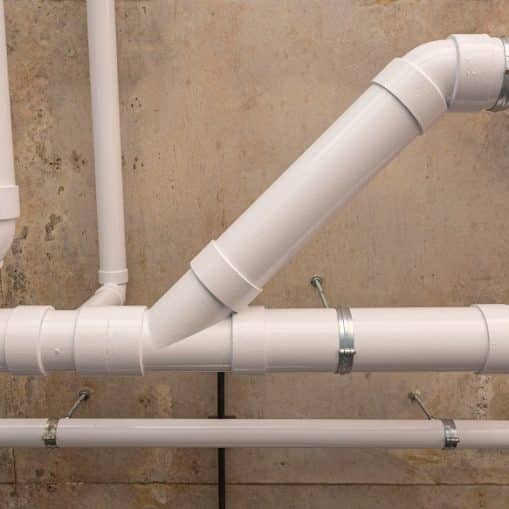
Improperly sloped drain pipes are a common, serious issue in many Knoxville homes, often leading to recurring plumbing failures, structural damag... Read More

Backflow preventers are required in Knoxville to stop contaminated water from flowing into the public supply. Most properties must install, test, a... Read More