
How Much Does Trenchless Sewer Line Repair Cost?
Trenchless sewer line repair typically costs $4,000–$15,000 and offers a faster, less disruptive alternative to traditional excavation by fixing pi... Read More
Same-Day Service Available
Need a Plumber in Knoxville? We’re Ready to Help!





Corrosion inside plumbing systems is an electrochemical process that occurs when metal pipes react with elements in the water or the surrounding environment, essentially reverting the refined metal to a more stable form, such as metal oxide (rust).
Corrosion develops inside plumbing systems when metal pipes react over time with water, oxygen, and naturally occurring minerals. This chemical reaction slowly breaks down the interior surface of pipes, leading to buildup, restricted flow, leaks, and eventual failure if the damage continues unchecked. In most homes, this process starts quietly inside the pipes long before visible problems appear.
At Tennessee Standard Plumbing, we regularly identify corrosion-related pipe damage during service calls across Tennessee. Many homeowners notice symptoms like discolored water, pressure changes, or recurring leaks without realizing corrosion can be an underlying cause.
If you have concerns about aging pipes or unexplained plumbing issues, contact us today to speak with a licensed plumber who can review your system and explain your options.
Corrosion is a slow chemical reaction between metal pipes and their surroundings. Inside plumbing systems, that interaction happens between pipe material, water chemistry, oxygen, and time. As metal reacts, it weakens.
The interior surface roughens, flakes form, and wall thickness can reduce. This process often happens out of sight. Pipes can look fine from the outside while deterioration continues internally for years.
Several conditions inside a plumbing system can allow corrosion to develop. These conditions often work together rather than acting as a single cause.
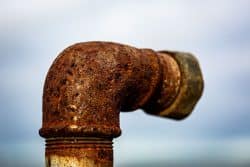
Water is rarely neutral. Its pH level, mineral concentration, and dissolved gases all influence how metal reacts. In many Tennessee homes, water carries minerals that can interact with pipe walls over time. Water that is acidic tends to accelerate metal breakdown, while very hard water can create scale that traps moisture against the pipe surface.
Oxygen plays a major role in corrosion. Every time fresh water enters a system, it brings oxygen with it. Areas with frequent flow changes, such as elbows or fixtures used daily, experience repeated oxygen exposure that can promote internal wear.
Older homes often contain galvanized steel or cast iron piping. These materials were standard decades ago but react differently than modern copper or PEX. Galvanized steel relies on a protective zinc coating that wears away over time. Once that coating is gone, rust forms quickly inside the pipe.
Copper pipes can corrode as well, especially when water chemistry is aggressive or flow conditions contribute to internal wear.
Corrosion does not appear overnight. It follows a gradual pattern that plumbers recognize during inspections.
In the early phase, corrosion forms a thin layer on the interior pipe wall. Water flow often remains steady, and symptoms are usually absent. At this stage, damage often goes unnoticed.
As corrosion continues, flakes and deposits build up. These reduce internal diameter and disrupt smooth water flow. Homeowners may notice lower pressure at fixtures or uneven flow between rooms.
In later stages, the pipe wall weakens. Pinholes can form in copper lines. Steel pipes may develop deep pitting that leads to cracks or leaks. At this point, damage spreads more quickly and repair options narrow.
While corrosion happens inside pipes, several outward signs can appear. These signs do not confirm corrosion on their own but can indicate the need for further evaluation.
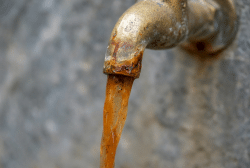 Discolored Water: Rust-colored or cloudy water, especially after a period of non-use, can point to internal metal breakdown. This is common with galvanized systems nearing the end of their lifespan.
Older construction with original metal piping tends to face more internal wear. Homes with frequent water usage cycles, such as rentals or multi-bath properties, expose pipes to more oxygen and temperature changes.
Water treatment methods, including certain softeners, can also affect corrosion rates if not balanced properly.
As pipes break down, metal particles may enter the water supply. While not every instance creates an immediate health issue, long-term exposure can affect taste, clarity, and plumbing performance. Corroded pipes also raise the chance of sudden leaks that damage walls, flooring, and foundations.
Professional plumbers rely on several tools to evaluate internal pipe condition. Camera inspections allow direct viewing of interior surfaces. Pressure testing highlights weak points under load.
In some cases, removing short pipe sections provides a clear picture of remaining wall thickness. These methods help determine whether repair or replacement makes more sense for a given system.
 Not every corroded pipe requires immediate replacement. Localized damage may be addressed with targeted repairs. Widespread corrosion, however, often leads to ongoing leaks if left in place.
From a long-term perspective, replacing failing sections reduces repeated service calls and water damage risk. A licensed plumber can explain which option aligns with your home’s condition and budget.
While corrosion cannot be reversed, its progression can be managed. Regular plumbing inspections identify early warning signs.
Addressing leaks quickly limits oxygen exposure in damaged areas. Managing high water pressure can reduce stress inside pipes. When systems reach advanced age, planning upgrades before failures occur offers better control over timing and cost.
If you notice recurring leaks, pressure changes, or water discoloration, a professional assessment helps clarify the cause. Corrosion-related problems rarely resolve on their own.
At Tennessee Standard Plumbing, we work with homeowners across Knoxville and nearby communities to evaluate aging plumbing systems and recommend practical solutions based on real conditions, not guesswork.
Call us today to schedule an inspection or speak with our team about your plumbing concerns.
Corrosion starts when metal pipes come into contact with water that contains oxygen and naturally occurring minerals. Over time, this reaction wears down the pipe’s interior surface, even when the outside appears undamaged.
Yes. Newer systems can still experience corrosion based on water chemistry, pipe material, and flow conditions. Certain copper and steel pipes are more sensitive to these factors than plastic piping.
Internal corrosion can result in reduced water pressure, discolored water, pinhole leaks, repeated pipe failures, and hidden water damage behind walls or under floors.
Often it is not. Many signs develop inside the pipe, which is why plumbers use camera inspections, pressure testing, or small access points to confirm internal damage.
Yes. Water with high mineral content, low pH levels, or dissolved gases can react more aggressively with metal pipe surfaces and increase corrosion rates.
Galvanized steel, cast iron, and copper pipes are more prone to corrosion than plastic materials such as PEX or PVC, especially as they age.
Yes. As corrosion thins pipe walls, leaks can appear unexpectedly, even if the plumbing system previously functioned without visible issues.
Corrosion buildup narrows the space inside pipes where water flows. This restriction limits volume and leads to pressure drops at faucets and showers.
Corrosion can release metal particles into the water supply, which may change taste, color, or clarity, particularly in older metal piping systems.
An inspection is recommended if you notice recurring leaks, pressure changes, or discolored water, or if your home has older metal pipes that have never been evaluated.


Trenchless sewer line repair typically costs $4,000–$15,000 and offers a faster, less disruptive alternative to traditional excavation by fixing pi... Read More

Slow drains keep coming back after DIY fixes primarily because most DIY methods only clear a partial or surface clog, leaving the main accumulation... Read More

The deep roots of trees are always seeking out water, and your underground pipes offer a constant, rich source of moisture they desperately wan... Read More