
Repairing a Leaky Pipe: Quick and Easy Plumbing Leak Fixes
A leaky pipe is a pipe that lets water escape through cracks, holes, or loose joints. Water moves through homes under pressure, and even a small op... Read More
Same-Day Service Available
Need a Plumber in Knoxville? We’re Ready to Help!




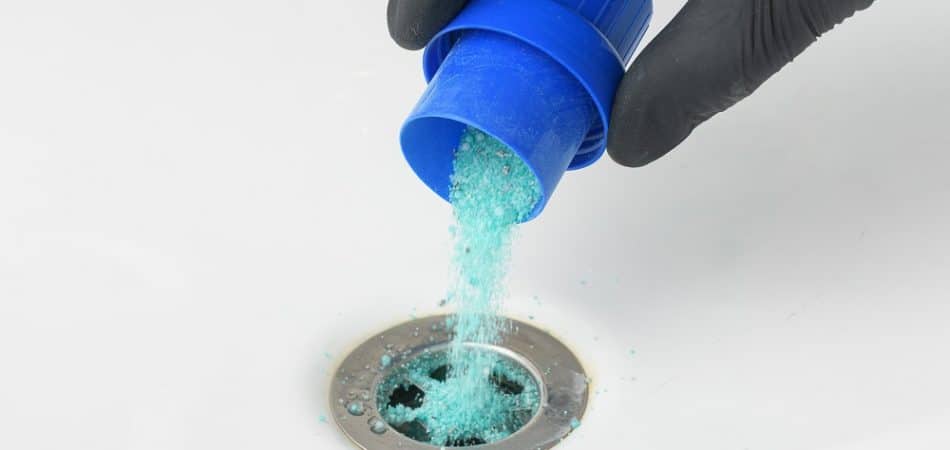
Chemical drain cleaners are popular for their perceived speed and convenience, but they often act as a “silent killer” for home plumbing systems in Knoxville, Tennessee. These products frequently cause hidden, long-term damage that transforms a $200 clog removal into a $5,000+ pipe replacement project.
That bottle of chemical drain cleaner under your sink feels like a fast solution when water backs up. Pour it in, wait a few minutes, and the problem seems to disappear. But what happens inside your pipes during those few minutes is a different story, and over time, the damage adds up.
At Tennessee Standard Plumbing, we respond to hundreds of service calls where the root cause traces back to repeated use of store-bought chemical drain cleaners. For Knoxville homeowners with aging pipes, hard water buildup, or recurring clogs, these products often make the underlying problem worse.
If your drains are giving you trouble, contact us today before reaching for a chemical solution.
Chemical drain cleaners damage pipes by triggering exothermic reactions that warp PVC and corrode metal. The heat and caustic compounds they release contact the pipe wall, joint seals, and drain fittings throughout the line, not just the clog. Three cleaner types cause this damage in distinct ways.
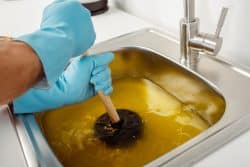 Caustic cleaners use sodium hydroxide, also called lye, or potassium hydroxide as their active ingredient. These alkaline compounds produce a strong exothermic reaction on contact with water, generating significant heat inside the drain line. That heat radiates outward, contacting the pipe wall, joint seals, and nearby fittings. Polyvinyl chloride (PVC) begins to lose pressure resistance above 140 degrees Fahrenheit and deforms under sustained heat as temperatures climb beyond that threshold, a range that caustic drain cleaner reactions can reach.
Acidic cleaners use sulfuric acid and are the most aggressive formulas available to consumers. Hydrochloric acid formulas exist but are restricted to licensed plumbers. The same reaction speed that dissolves organic clog material also corrodes metal pipe surfaces on immediate contact. Sulfuric acid strips the zinc coating from galvanized pipe, exposing bare steel that oxidizes and rusts. On threaded pipe connections, acid corrosion destroys the threads themselves, compromising joint integrity before visible damage appears on the outside.
Oxidizing cleaners use bleach, hydrogen peroxide, or nitrates to release oxygen and break down clog material. Less aggressive than caustic or acidic formulas, they still generate heat, degrade rubber pipe seals, and react unpredictably with cleaning product residue already present in the drain line. That risk compounds with each repeated application.
No residential pipe material is immune to chemical drain cleaner damage when used repeatedly. PVC and ABS degrade from heat exposure, galvanized steel and cast iron corrode from caustic and acidic compounds, and copper lines develop pinhole leaks over time. Damage extent depends on pipe material, age, and frequency of use.
Galvanized steel was the standard water supply pipe in homes built from the 1920s through the 1960s, and it was also used for smaller-diameter drain lines. Decades of normal use have depleted much of the protective zinc coating. Chemical drain cleaners accelerate zinc loss, corroding the underlying steel and narrowing the interior pipe diameter. That raises the risk of pinhole leaks at joints, bends, and connections.
 Most homes built after 1975 use PVC or ABS plastic drain lines. Plastic does not corrode, but it degrades under heat. Repeated caustic drain cleaner exposure makes PVC brittle. Brittle plastic fractures under normal pressure fluctuations, and hairline cracks typically form at joints and elbows where mechanical stress already concentrates. A crack inside a wall cavity or under a concrete slab can leak undetected for months.
Many mid-century Knoxville homes still rely on cast-iron drain stacks. Cast iron is durable but depends on a protective interior coating to prevent rust. Acidic drain cleaners strip that coating on contact.
Once removed, cast iron corrodes from the inside out, producing iron oxide scale that narrows flow and eventually causes structural pipe failure. Kitchen drain lines connected to these stacks are especially vulnerable, and a kitchen drain clog in an older home often signals deeper corrosion at work.
Chemical drain cleaners rarely eliminate a clog entirely. They dissolve the outer layer of a blockage and restore partial flow, but residual organic material stays attached to the drain pipe wall and continues collecting new debris. The clog rebuilds, and each repeated application degrades the pipe further.
When a chemical cleaner dissolves only part of a blockage, the remaining edges cling to the pipe wall and act as accumulation points for grease, hair, and soap scum. Each application treats the symptom without resolving the cause, while simultaneously corroding the drain line interior.
Chemical drain cleaners do not neutralize once a clog clears. Caustic or acidic residue clings to the pipe interior and keeps reacting with moisture. When a second product is introduced, whether a different cleaner or household disinfectant, the two compounds can react and produce toxic gases or accelerate corrosion.
Recurring clogs almost always point to a structural issue: partial pipe collapse, grease accumulation deeper in the main sewer line, tree root intrusion, or a drain line that has lost proper slope. Store-bought drain cleaner addresses none of these and leaves the underlying cause untouched. That is when drain cleaning services in Knoxville become the only real fix.
The safest alternatives to chemical drain cleaners either physically remove the blockage or use biological processes that pose no risk to pipe materials. Mechanical tools, enzyme-based treatments, and hydro jetting all clear blocked drains without corroding or heat-stressing your plumbing.
A plunger clears most surface-level clogs in toilets and shower drains without introducing any chemicals. A handheld drain snake, also called an auger, reaches blockages several feet into the drain line and physically extracts the obstruction, leaving the pipe wall undamaged. For deeper or recurring blockages, residential drain clearing in Knoxville removes the full obstruction safely.
 Enzyme or bacterial drain treatments use live microbial cultures that consume organic material inside drain pipes. They generate no heat, corrode no pipe material, and leave no reactive residue. Applied monthly, they reduce grease and soap scum accumulation in kitchen and bathroom drain lines before buildup becomes a full blockage. Learn more about the professional drain cleaning benefits that keep pipes healthier between service visits.
Hydro jetting delivers pressurized water at up to 4,000 PSI through a specialized nozzle to scour the interior circumference of a drain line. Unlike a drain snake, which punches through a clog, hydro jetting removes grease deposits, mineral scale, soap scum, and root intrusion adhered to the pipe wall. The process restores the original interior diameter using only water.
Chemical drain cleaners are not a plumbing solution. They are a temporary fix that corrodes the very pipes they are poured into, leaves reactive residue behind, and fails to address the structural problems that cause clogs to return.
Every repeated application moves your plumbing one step closer to a leak, a cracked joint, or a repair bill far exceeding what a professional service call would have cost.
Slow drains and recurring blockages are not random inconveniences. They are warning signs that something deeper is happening inside your plumbing. The right response is a proper diagnosis and a clearing method that removes the full blockage without degrading the pipe.
Tennessee Standard Plumbing serves homeowners throughout Greater Knoxville with that exact approach. Our team starts with a camera inspection, identifies the real cause, and clears the blockage completely without introducing corrosive chemicals to your pipes.
Yes. Chemical drain cleaners generate heat and introduce corrosive compounds to the interior of your pipes. Caustic cleaners can warp PVC and weaken joint seals, while acidic cleaners corrode metal pipes, including galvanized steel, copper, and cast iron. Repeated use accelerates damage that may not become visible until a leak appears months or years later.
No. Older pipes, including galvanized steel and cast iron, have often already lost some of their protective coatings through normal wear. Chemical drain cleaners strip those coatings faster and accelerate corrosion in pipe walls and threaded connections. Knoxville homes built before the 1970s are especially at risk from repeated chemical drain cleaner use.
These products dissolve part of a clog and restore minimal water flow, but they rarely remove the entire blockage. The remaining material stays in the pipe and collects new debris, causing the clog to return. They also do not address structural causes like pipe damage, improper slope, or root intrusion, which means the underlying problem continues even if the drain temporarily clears.
A plunger handles most surface-level clogs in toilets and showers. A handheld drain snake reaches blockages further into the line and removes them physically without damaging the pipe. Baking soda followed by hot water works as a maintenance flush for mild grease and soap buildup. Enzyme-based treatments are a safe monthly maintenance option that breaks down organic buildup without corroding pipe material.
Common signs include recurring clogs in the same drain, water stains or soft spots near drain lines, slow drainage that persists after clearing a clog, and foul odors that indicate deteriorating pipe material or standing water in a partial pipe collapse. A professional camera inspection can assess the current condition of your drain lines and identify any damage before it becomes a major repair.
Hydro jetting is safe for most modern and well-maintained pipes. A licensed plumber performs a camera inspection before hydro jetting to assess pipe condition and confirm the method is appropriate. Pipes with advanced structural deterioration may require repair before hydro jetting is used. For the majority of Knoxville homes, hydro jetting is far safer than repeated chemical drain cleaner use.
Yes. Chemical drain cleaners can etch porcelain sink surfaces, dull metal finishes on faucets and drain covers, and cause discoloration on chrome and stainless steel. Caustic formulas can also crack ceramic toilet bowls if used in a toilet with standing water, as the heat-generating reaction has nowhere to dissipate.
Chemical drain cleaners dissolve part of the blockage but leave residual organic material attached to the pipe wall. That residue continues collecting grease, hair, and soap scum, and the clog rebuilds in the same location. Professional drain cleaning removes the full obstruction and cleans the pipe wall, which significantly reduces the rate at which new buildup accumulates.
No pipe material is immune to damage from repeated chemical drain cleaner use. PVC and ABS plastic resist corrosion but are vulnerable to heat-related warping and brittleness. Metal pipes including galvanized steel, cast iron, and copper corrode over time with repeated chemical exposure. The degree of damage depends on pipe age, condition, and frequency of use, but no material holds up indefinitely to repeated chemical contact.
Call a plumber when a clog returns after clearing it, when more than one drain is slow or backing up at the same time, when you hear gurgling sounds from drains or toilets, when there is a foul odor that does not clear after running water, or when DIY methods have not resolved the problem within one attempt. These signs point to a blockage or structural issue deeper in the drain system that requires professional equipment to address safely.


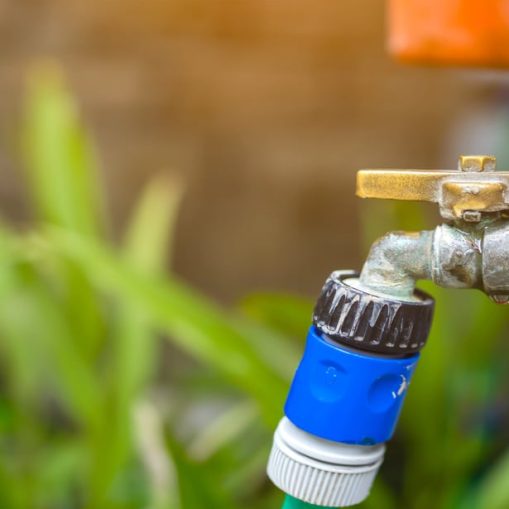
A leaky pipe is a pipe that lets water escape through cracks, holes, or loose joints. Water moves through homes under pressure, and even a small op... Read More
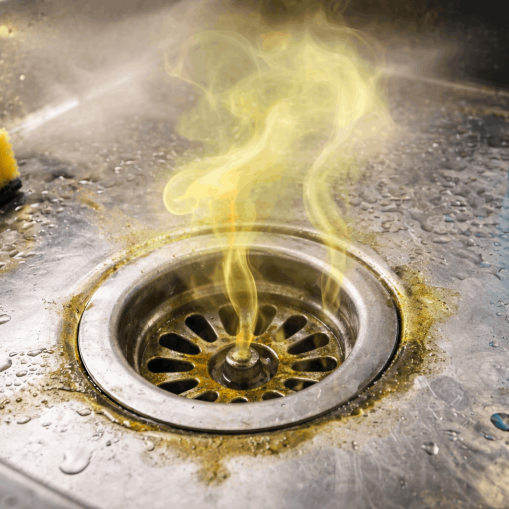
A drain smell in your Knoxville home is your plumbing system's way of flagging a problem. The most common causes include a dry or dirty P-trap, bio... Read More

According to the U.S. Environmental Protection Agency (EPA), at just one drip per second, a single plumbing leak could waste up to 3,000 gallons of... Read More