
How to Install a Shower Drain: Expert Tips & Step‑by‑Step Guide
To install a shower drain, position the drain body, connect the outlet to the waste pipe with proper slope, secure it with a locking nut, and use g... Read More
Same-Day Service Available
Need a Plumber in Knoxville? We’re Ready to Help!




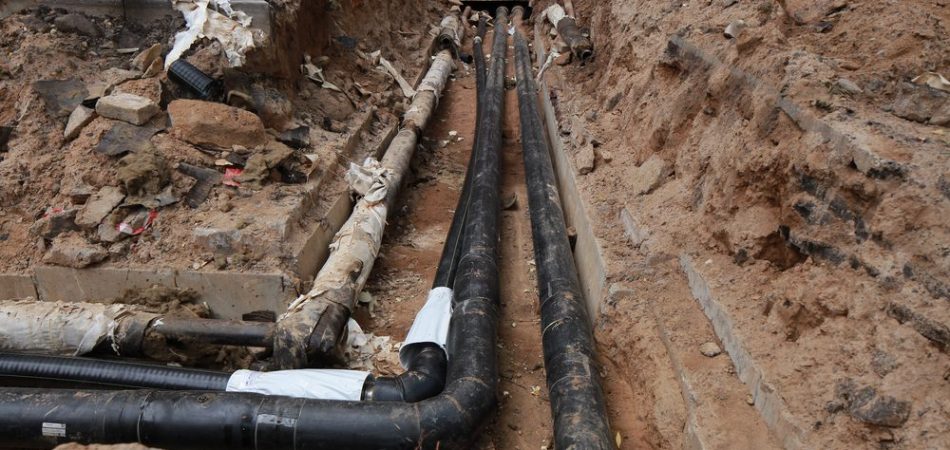
If your drains are slowing down across multiple fixtures at the same time, your toilet is gurgling when you run the sink, or you are noticing sewage smells inside your home, your main sewer line may be failing. These are not random plumbing quirks. They are early warning signs that something is breaking down underground, and the longer you wait to act, the more expensive and disruptive the repair becomes. Catching these signs early is the difference between a straightforward fix and a full sewer line replacement.
Your sewer line carries every drop of wastewater out of your home, silently, every single day. Most Knoxville homeowners never think about it until sewage backs up into the house or a plumber delivers a five-figure repair estimate. What makes sewer line failure so costly is not the damage itself. It is how long the damage goes undetected.
The warning signs almost always show up well before a full failure. The problem is that each sign on its own is easy to explain away as a minor nuisance. This guide covers the 7 signs that matter most, what each one means for your home, and exactly what to do when you spot one.
 Cause: When your main sewer line becomes partially blocked by root intrusion, grease buildup, or pipe deformation, every fixture in the house is affected because they all feed into that one pipe. A single slow drain is almost always a localized clog in that branch line alone.
Effect on you: The pattern you will notice is sluggish drains in two or more locations at the same time. Basement floor drains are typically the first to show it, followed by first-floor sinks and showers. Many homeowners spend months buying chemical drain cleaners and snaking individual fixtures without ever resolving the underlying main line problem. Each temporary remedy masks the symptom while the real damage worsens underground.
Fix: Stop using chemical drain cleaners, which cannot reach the main line and can corrode aging clay or cast iron pipes. Schedule a sewer camera inspection to identify the actual cause. Once the blockage or damage is located, the right repair can be matched to the specific problem.
Cause: Gurgling or bubbling sounds from a toilet, floor drain, or shower when another fixture is running indicate that air is being displaced through the drainage system. A healthy sewer line moves water and waste by gravity through a sealed, vented path. When a partial blockage or damaged section restricts that path, negative pressure develops and forces air to escape through the nearest available trap.
Effect on you: Gurgling is one of the most commonly dismissed signs because it sounds minor. But it is your plumbing system sounding an early alarm. If you are hearing it regularly across more than one fixture, a full sewage backup is likely ahead, not behind. Wastewater will eventually have nowhere to go and will reverse back through your lowest fixtures.
Fix: Do not wait for the backup to happen. A drain repair evaluation can determine whether the cause is a blockage that can be cleared or structural damage that needs repair. Catching it at the gurgling stage is far cheaper than catching it after sewage has backed up into your home.
 Cause: A functioning sewer line is a fully closed system. When a pipe cracks or a joint separates underground, hydrogen sulfide gas migrates through the soil, enters through the foundation, and becomes detectable inside the home. This should never happen in a properly working system.
Effect on you: Beyond the unpleasantness, hydrogen sulfide at elevated indoor concentrations is a genuine health hazard. It can cause headaches, nausea, and respiratory irritation.
A persistent sewer smell that cleaning products and air fresheners cannot eliminate is a sign that gas is actively entering your living space from a compromised pipe. Note that a dried p-trap under a rarely used sink can also release sewer gas. Running water in unused drains monthly is an easy fix for that. But if the smell persists after running all fixtures, the main line is the more likely source.
Fix: Call a licensed plumber for a same-day inspection. Do not mask the odor or wait to see if it resolves. A sewer line repair at the crack or joint failure stage is a fraction of the cost of what becomes necessary after prolonged gas exposure or structural sewage damage.
Cause: When a buried sewer lateral develops a significant crack or joint failure, escaping wastewater saturates the surrounding soil. In Knoxville’s clay-heavy soils, this moisture does not drain away quickly. It accumulates along the pipe’s path, typically the strip of lawn running from your house toward the street.
Effect on you: Soft, wet ground above your sewer line during dry weather is a sign that wastewater is actively escaping underground. Left unaddressed, the saturated soil erodes around the pipe.
That erosion leads to soil washout, minor sinkholes, and eventually, structural damage near your foundation. What begins as a wet patch can progress to a collapsed section of yard and a repair that requires significant excavation.
Fix: Walk the path of your sewer lateral from the foundation to the street after a period of dry weather. Soft or wet ground with no rain to explain it warrants a sewer camera inspection before the damage progresses further.
Cause: Leaking sewage acts as an unintended fertilizer for grass and plants. A section of lawn that is greener, thicker, or faster-growing than the surrounding turf, appearing directly above where your sewer lateral runs is a reliable indicator that wastewater is escaping underground.
Effect on you: This sign is especially easy to miss during Knoxville’s growing season when everything is lush. The key distinction is that the lush patch follows a linear path aligned with your sewer line and it does not fade during dry spells the way the rest of your lawn does. The longer a pipe leaks, the more soil contamination builds up around it, and the more extensive the excavation and remediation required at repair time.
Fix: If you notice a noticeably green or fast-growing strip from your house toward the street and you have not fertilized that area, check the ground beneath for softness or moisture. Then call for a sewer inspection. Catching a leak at this stage, before it reaches the erosion and sinkhole phase, keeps the repair far simpler and less expensive.
Cause: A cracked underground sewer lateral can saturate the soil beneath a slab foundation, allowing moisture to wick upward and create the conditions for mold growth inside the home. This is different from typical indoor humidity. The moisture source is constant and underground, which means no amount of dehumidifying or surface treatment will stop it.
Effect on you: Mold growing near drain line locations weakens drywall, subfloor materials, and structural framing over time. When the mold growth is accompanied by a sewage smell rather than a musty one, the combination is a strong indicator of active sewer leakage beneath the slab. Treating the mold without addressing the pipe is a temporary fix that will repeat on a cycle until the source is repaired.
Fix: If you notice mold near baseboards, floors, or walls close to drain locations along with any sewage odor, schedule a professional drain repair evaluation. A slab leak detection inspection can pinpoint the source without unnecessary excavation.
Cause: Rodents, cockroaches, and drain flies are drawn to the warmth, moisture, and organic material of a leaking sewer line. Rats in particular are known to travel through cracked sewer pipes and use the breach as an entry point into the home’s structure. A broken lateral is not just a plumbing problem. It is an open door.
Effect on you: If you have called an exterminator more than once and the pest activity keeps returning near the same floor drains, crawl space vents, or foundation areas, you are treating the symptom rather than the cause. Each extermination buys temporary relief while the real entry point remains open underground. The pests will return as long as the pipe is breached.
Fix: Before scheduling another extermination, schedule a sewer line inspection. If a broken lateral is confirmed, repairing it eliminates the entry point and the pest attraction at the same time. This is the fix that actually sticks.
 You do not need to wait until sewage backs up into your home. These specific situations call for an immediate professional inspection:
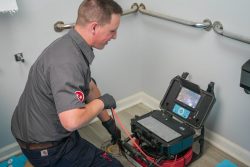
The first step is always a sewer camera inspection. A waterproof camera on a flexible cable is fed through a cleanout access point and transmits live video of the interior pipe condition. This reveals root intrusion, cracks, pipe belly, and joint offsets without digging up your yard.
Once the camera identifies the problem, the repair is matched to the specific damage:
Do Not Wait Until a Small Sign Becomes a Sewer Emergency
Don’t wait until a gurgling toilet turns into sewage on your basement floor. Schedule a sewer line inspection with Tennessee Standard Plumbing today. We serve Knoxville, Maryville, Oak Ridge, Lenoir City, Clinton, and all of East Tennessee. Contact us today, and our team will diagnose fast and fix it right the first time.
The earliest signs include slow drains across multiple fixtures, gurgling sounds, and faint sewage odors near lower-level drains. While a single slow drain usually means a localized clog, multiple affected fixtures often point to a main sewer line issue. If these signs appear together, a sewer camera inspection is recommended.
A clog typically affects one fixture and can be cleared easily, while a broken sewer line causes multiple slow drains, recurring backups, and possible sewage odors. Problems that keep coming back after clearing are a major red flag. A sewer camera inspection is the most reliable way to confirm the issue.
Most sewer lines last between 50 and 100 years, depending on the material and conditions. Clay and cast iron pipes often wear out sooner, while PVC can last much longer. If your home is older, scheduling a preventive inspection is a smart way to avoid costly failures.
Yes, early damage like small cracks or root intrusion can develop without noticeable signs. By the time symptoms appear, the problem is often already advanced. Routine inspections help catch issues before they become serious.
In Knoxville, tree roots, aging pipes, and clay-heavy soil that expands and contracts all contribute to faster sewer line wear. Seasonal changes and shifting ground can also strain pipes. These conditions make regular inspections especially important for homeowners in the area.
Not always—dry P-traps can release sewer gas if unused drains lose their water seal. However, persistent odors in multiple areas, especially with slow drains, may indicate a sewer line issue. If the smell doesn’t go away, a professional inspection is recommended.
Costs vary based on the severity of the damage, pipe type, and repair method. Minor repairs may cost a few hundred dollars, while full replacements can be significantly higher. Addressing issues early helps avoid more expensive emergency repairs.
Yes, roots can enter through tiny cracks and grow unnoticed for months or years. By the time symptoms appear, the damage is often more extensive. Preventive inspections can catch root intrusion early and reduce repair costs.
No, chemical cleaners are not effective for main sewer line blockages and can damage older pipes. They may worsen corrosion or weaken joints over time. Professional tools like drain snakes or hydro jetting are the safer and more effective solution.
Full replacement is usually needed when there are multiple damaged sections, severe deterioration, or a collapsed line. Recurring problems despite repeated repairs are another strong indicator. A camera inspection helps determine the most cost-effective long-term solution.


To install a shower drain, position the drain body, connect the outlet to the waste pipe with proper slope, secure it with a locking nut, and use g... Read More
A professional plumbing inspection in Knoxville is a detailed, typically one-to-two-hour assessment of your home's entire water supply and drainage... Read More
Yes, you can clear a main sewer line clog yourself, but it's only recommended for minor clogs and requires caution to avoid further damage. For sim... Read More