
How to Install a Sump Pump? Step-by-Step DIY Guide
A sump pump is a pump used in a basement or crawl space to remove water that accumulates in a sump pit. It prevents flooding by pumping collected w... Read More

Same-Day Service Available
Need a Plumber in Knoxville? We’re Ready to Help!




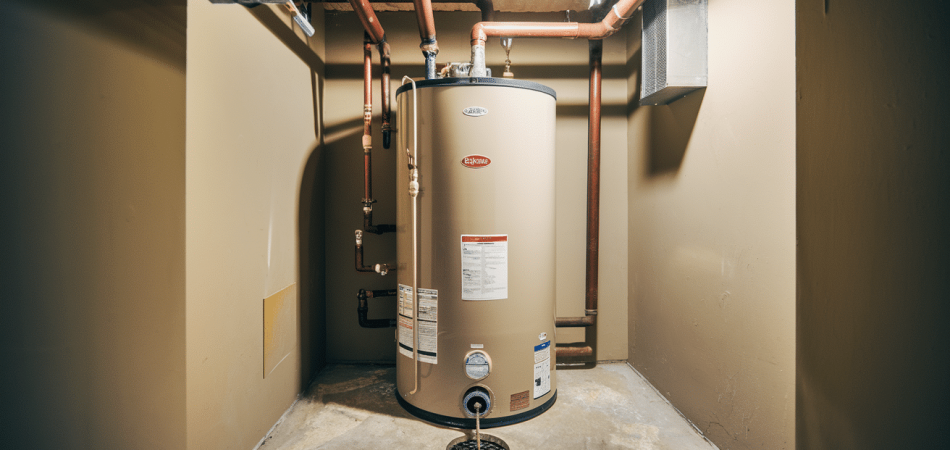
Common reasons a water heater makes noise include sediment buildup, high water pressure, water hammer, loose or worn parts, leaks, and metal expansion or contraction. Fixes range from routine maintenance, such as flushing the tank, to professional repairs like part replacement or pressure adjustments.
A water heater makes noise when pressure, heat, or buildup inside the tank disrupts the normal flow of water or air. These sounds often come from trapped sediment, loose parts, or air pockets. A properly functioning heater stays quiet, so any unusual sound means something inside needs attention. In many homes across the U.S., older water heaters create rumbling, popping, or banging sounds after years of use, indicating friction or blockage among internal components.
Noise begins when internal factors interfere with normal heating. Sediment from hard water gathers at the bottom of the tank, creating air bubbles and heat traps. Loose elements vibrate against the tank walls. Pressure changes cause uneven water movement in the pipes. These disturbances intensify over time. Early detection and repair prevent leaks, heat loss, and even tank damage. Frequent inspection also keeps the system safe and energy-efficient. According to the U.S. Department of Energy, a well-maintained water heater uses up to 15% less energy and has a longer lifespan.
Minerals settle at the tank bottom and block heat flow.
Vibrations cause tapping or clanging sounds.
Irregular pressure forces air into the pipes.
Hard water leaves scale that pops or cracks when heated.
Metal parts shift as they heat and cool.
Steam or dripping water makes sizzling sounds.
Restricted water flow leads to whistling noises.
Tennessee Standard Plumbing brings five generations of trusted plumbing expertise to Knoxville homes and businesses. The licensed plumbers inspect and service water heaters using advanced tools that restore quiet, safe, and efficient operation.
Sediment buildup forms when minerals in hard water settle at the tank’s base. This layer insulates and prevents the normal flow of water. The heat that is trapped transforms into steam, which produces rumbling or popping sounds. This accumulation eventually causes the heater to strain, conserving no energy, and increasing bills. This is more frequently experienced in the hard water regions, like the Knoxville area. Flushing the tank removes sediment and restores smooth heating. Ignoring it shortens the system’s life and leads to expensive repairs. Regular cleaning keeps the heater 15–20% more efficient and quieter. Tennessee Standard Plumbing provides professional tank flushing for long-term protection.
Loose heating elements shake when electricity passes through them. These metal rods heat the water but vibrate if not tightened properly. The movement creates knocking or clanging sounds that grow louder with use. Continuous vibration harms internal parts and weakens electrical connections. Addressing this issue early prevents overheating or power faults. In older water heaters, the screws loosen faster due to metal wear. Tightening and securing these parts stops the noise and saves energy. Ignoring it increases the risk of full element failure and tank leaks.
Uneven water pressure pushes air into pipes and fittings, producing hissing or banging sounds. Valves and joints experience additional stress when the pressure is increased excessively. Low pressure also restricts flow, so that the heater will take more time to heat the same volume of water. This problem is triggered by sudden interruptions in the supply of water in cities or changes in temperature inside Tennessee houses. Constant pressure increases the lifetime of the heater and prevents the bursting of pipes. Uncontrolled variation destroys seals and creates permanent leakages. A pressure regulator keeps the system balanced and quiet.
Mineral deposits form when calcium and magnesium stick to heating surfaces. Hard water across Knoxville promotes this scaling. These deposits trap air and create small steam pockets that burst with popping sounds. Scale buildup forces the heater to use more power to reach the same temperature. Removing these deposits improves heat transfer and reduces strain. If ignored, minerals eat away at the tank lining and heating rods, causing corrosion. Professional descaling keeps the heater’s performance strong and extends its life by years.
Metal expands when heated and contracts when cooled. This movement creates ticking or creaking sounds inside the tank and pipes. Expansion stress affects older heaters and tight pipe joints. Using expansion tanks or flexible connections reduces the noise. Proper installation by experts like Tennessee Standard Plumbing limits metal strain. Failure to manage this stress causes cracks and joint separation over time. Consistent maintenance ensures stable performance and quiet operation through daily temperature changes.
Condensation forms when cold water meets a hot metal surface. A rapid temperature disparity leads to sizzling or dripping sounds around the burner area. Water on hot surfaces causes little bubbles of steam. This is a normal response in startups, but it can be dangerous when persistent. The high amount of moisture indicates poor ventilation or insulation damage. Maintaining the dryness of the area around the heater will help to eliminate corrosion and electrical shorting. The neglect results in rusting and elevated replacement rates. Periodic examination of the moisture sources is done to ensure that they are known early enough to safeguard the integrity of the tank.
Partially closed valves restrict water flow and create high-pressure whistling. It is the sound of water squashing through tiny holes. This is a limitation that puts strain on the tank and fittings. Complete opening of the valve permits the smooth flow and eliminates the noise immediately. Neglected valves result in pressure disparity and strain internal seals. Homes in high-use areas often face this when valves are accidentally tightened. Checking valve position during maintenance prevents unnecessary strain. Consistent valve alignment improves system flow and heater efficiency.
Regular maintenance extends the life of the water heater and keeps it strong, efficient, and safe for many years. Dirt, pressure changes, and mineral buildup wear down internal parts over time. Routine care removes these stressors before they damage the tank or elements.

A full check locates early signs of leaks, rust, or loose parts. Early action stops small issues from turning into system failures and keeps all components working smoothly.
Flushing clears sediment and mineral buildup that slows heat transfer. Clean tanks heat faster, stay quieter, and use less power, which means lower monthly bills and fewer breakdowns.
The anode rod protects the tank from rust by drawing corrosion to itself. Replacing this rod every few years prevents internal decay and keeps the heater’s lining strong and leak-free.
Heating elements lose strength over time and affect the water temperature. Checking and cleaning these parts maintains even heating and prevents short circuits or electrical faults.
Balanced pressure protects seals, joints, and valves from strain. Consistent pressure control also prevents dripping, bursting, or unwanted whistling sounds, keeping the system stable and safe.
Inspect your water heater regularly to prevent noise. Routine checks help find these issues early and stop them before damage begins. Regular maintenance also improves energy performance and extends the unit’s lifespan.
A yearly review finds early signs of rust, leaks, or loose parts. This inspection ensures smooth operation and prevents banging or rumbling sounds from hidden faults.
Flushing clears mineral and sediment buildup that blocks heat flow. Clean tanks stay quiet, heat faster, and have lower energy costs while avoiding future clogs.
The anode rod protects the metal tank from corrosion. A healthy rod keeps the tank lining strong and prevents cracking noises from rust damage.
The valve maintains safe internal pressure. Regular testing stops excess buildup that leads to popping or hissing sounds and protects against system bursts.
Expert inspection verifies that all heating, pressure, and electrical parts work properly. Servicing by Tennessee Standard Plumbing prevents noise, energy loss, and sudden breakdowns through precision maintenance.
A professional inspection helps resolve a water heater noise issue by ensuring that the water heater performs safely and efficiently without unwanted noise. Trained plumbers use specialized tools to detect early signs of damage, pressure imbalance, or mineral buildup.
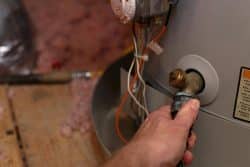
The plumber identifies the exact reason behind the noise, whether from sediment, pressure shifts, or worn parts. Accurate diagnosis helps fix the problem at its source instead of masking the symptoms.
The technician replaces or adjusts damaged components to restore proper function. Quick, correct repair stops the noise, strengthens safety, and improves heating performance.
The inspection includes adjustments that protect the system from recurring issues. Regular expert attention ensures long-term reliability, lower energy use, and fewer service disruptions.
Ignoring water heater noise affects long-term performance and leads to bigger problems over time. Sounds like popping, banging, or hissing often mean sediment buildup, loose parts, or pressure issues inside the tank. These noises show that the system struggles to heat water properly. The longer these signs go unchecked, the harder the heater works, wasting more energy and raising utility bills. Regular attention stops these small warning signs from turning into costly repairs.
Constant noise also weakens key parts of the heater. Sediment traps heat at the bottom of the tank, causing overheating that wears down the metal surface. Pressure changes and vibration damage valves and joints. Over time, this stress shortens the unit’s lifespan and increases the risk of leaks or full system breakdown.
Addressing noise early restores quiet, stable operation and protects long-term performance. A timely check improves water flow, boosts heating efficiency, and keeps energy use low. Professional care from Tennessee Standard Plumbing in Knoxville helps homeowners avoid expensive replacements while keeping their hot water system safe, steady, and reliable for years. Schedule your consultation with us today!
No, ignoring water heater noise is not safe. Unusual sounds often mean sediment buildup, loose valves, or pressure issues. These problems damage heating parts and increase the risk of leaks or overheating. Quick attention keeps the heater safe, efficient, and long-lasting. Expert inspection from Tennessee Standard Plumbing ensures proper maintenance and prevents costly failures.
Yes, loud banging noises often signal pressure or sediment issues. Trapped water vapor bubbles explode under high heat, creating the banging sound. This pressure change stresses the tank walls and pipes. Timely flushing and inspection restore balance, protect the system, and reduce noise.
Yes, ignoring sounds in a tankless water heater can lead to bigger problems. Noises often show scale buildup or blocked water flow. These blockages restrict heating and strain internal parts. Fixing them early prevents energy waste and damage. Tennessee Standard Plumbing provides cleaning and tune-up services that restore quiet and steady operation.
The water heater noises you should worry about are rumbling, banging, hissing, and popping noises. Each sound signals a different problem: sediment buildup, pressure imbalance, or trapped air. Ignoring these sounds causes damage to the tank and heating elements. Routine checks and flushing prevent these issues and keep the system quiet and safe.
The water heater makes rumbling sounds due to sediment settling at the bottom of the tank. Heat gets trapped under the buildup, creating boiling bubbles that rumble and shake. This reduces efficiency and weakens the tank. Flushing the heater removes the debris and restores smooth, quiet operation.
Yes, Knoxville plumbing services help extend a heater’s life. Regular inspection, tank flushing, and valve testing remove buildup and detect weak parts early. Tennessee Standard Plumbing uses proven methods to maintain performance, lower energy waste, and prevent costly breakdowns.
Yes, noisy heaters waste more energy. Sediment buildup blocks heat transfer, forcing the unit to run longer to warm the water. This overwork increases electricity or gas use. Regular cleaning and maintenance restore heating efficiency and cut utility costs.
Yes, strange sounds often point to missed maintenance. Water heater maintenance is important as poor maintenance causes buildup of sediment, loose fittings, and untested valves, which can cause vibration and uneven heating. Regular checks and flushing protect the tank, maintain heat quality, and stop noise. Reliable care from Tennessee Standard Plumbing ensures lasting performance.
Yes, professional inspection finds and fixes the water heater noise causes quickly. Experts clean sediment, tighten parts, and check pressure balance. This stops vibration and improves heating speed. Regular service prevents future noise and keeps the water heater working safely.
Yes, tankless water heaters reduce noise in older systems. They heat water on demand without storing it, which reduces bubbling and rumbling. Older systems with tanks collect sediment that causes noise. Upgrading to a tankless model reduces sound and improves efficiency.


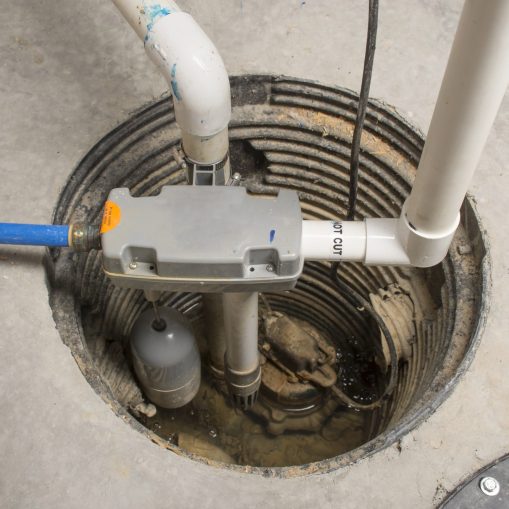
A sump pump is a pump used in a basement or crawl space to remove water that accumulates in a sump pit. It prevents flooding by pumping collected w... Read More
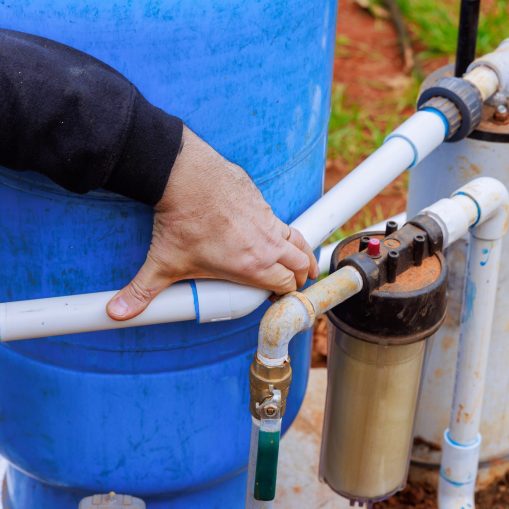
A bad pressure tank leads to air in your plumbing system primarily because of a broken air bladder, which causes the tank to become "waterlogged". ... Read More

To fix a water heater pilot light that won't stay lit, first ensure there are no drafts near the unit, then clean the thermocouple by gently scrubb... Read More