
Plumbing Leak Detection Equipment: How It Works, Types, and Benefits
Plumbing leak detection equipment works by monitoring water flow, pressure, sound, or temperature to identify abnormalities that indicate a leak. C... Read More
Same-Day Service Available
Need a Plumber in Knoxville? We’re Ready to Help!




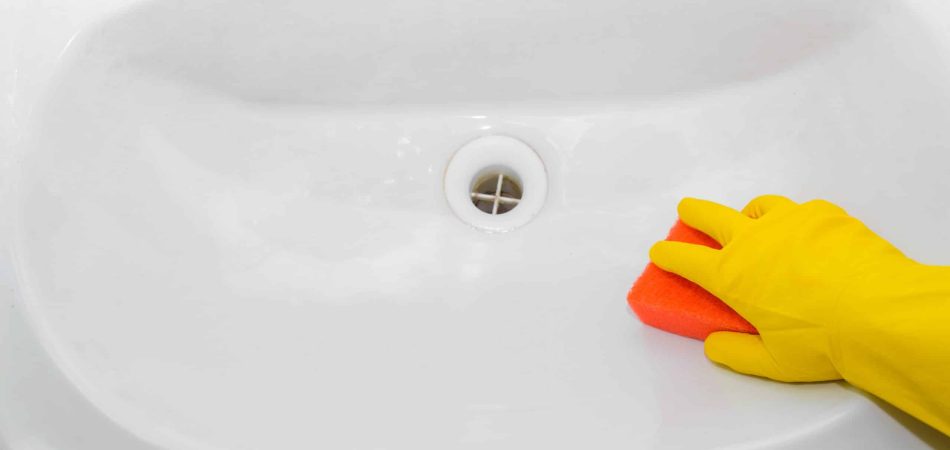
Most drains in Knoxville homes can handle water, mild soap, and liquid waste from normal cooking and cleaning. What they cannot handle, and what causes the majority of preventable clogs, includes cooking grease, coffee grounds, eggshells, pasta and rice, hair, baby wipes (even “flushable” ones), paint, and harsh chemical cleaners. Knowing what is safe and what is not avoids most common drain problems entirely. For Knoxville homes with older plumbing, the avoid list is especially important because aging cast iron and galvanized lines tolerate abuse less than modern PVC does.
Drains in Knoxville homes are tougher than most homeowners think and more delicate than most homeowners realize. They handle a lot of water and soap day in and day out without trouble. They also fail predictably when certain things go down that should not.
The team behind Tennessee Standard Plumbing in Knoxville handles the resulting clogs across Knox County, and the patterns are remarkably consistent: most clogs trace back to the same handful of items that should have gone in the trash instead.
This guide covers what is safe to pour down kitchen and bathroom drains, what consistently causes problems, and the drain-clearing services that handle the issues when they happen.
Kitchen drains are designed for water, mild soap, and small amounts of liquid food waste. With a garbage disposal, the range expands to include small amounts of soft food scraps. Without one, the range is narrower. Both setups have the same hard limits on certain items.
Water from cooking and cleaning, mild dish soap, small amounts of milk or juice, ice cubes (with disposal to clean blades), and brief streams of cold water with disposal running for general operation. Hot water at modest temperatures is fine for rinsing.
Soft food scraps in small amounts; cooked vegetables; small amounts of cooked rice or pasta (run with plenty of cold water); citrus peels (also help freshen the disposal); and small bits of bread. Even with a disposal, these should be in small amounts with cold water running, not large quantities flushed through at once.
Cold water keeps fats and oils solid, so the disposal can break them into pieces that flush through the line. Hot water melts fats and pushes them further down the line, where they cool and re-solidify in a section that is harder to clear. The cold water habit prevents most disposal-related clogs.
The kitchen drain avoidance list is short and consistent. Following these steps prevents the vast majority of kitchen plumbing problems Knoxville homeowners face. For a deeper context on the most common cause of these problems, grease buildup in kitchen drain pipes covers how the damage actually develops over time.
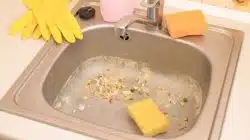 Cooking grease, bacon fat, butter, lard, and cooking oil all enter the drain as liquids and solidify as they cool. The layered buildup that forms on pipe walls is the single biggest cause of recurring kitchen clogs. Pour grease into a sealed container and trash it instead, never down the drain, regardless of how much hot water follows.
Coffee grounds are dense, do not break down in water, and clump together to form sludge that accumulates at low points in drain lines. Compost them, trash them, or use them in the garden, but never put them down the drain. The disposal does not solve this; ground coffee still clumps after passing through.
Eggshells fragment into small pieces that stick to grease and other debris in pipes. Pasta, rice, and other starches absorb water and expand inside drain lines, eventually forming a paste that blocks flow. None of these should go down the drain, even with a disposal.
Celery, asparagus, corn husks, onion skins, banana peels, and other fibrous vegetable matter wrap around disposal blades and create jams. Trash these items rather than putting them through the disposal.
Paint, paint thinner, solvents, motor oil, and other harsh chemicals damage pipes, contaminate the wastewater stream, and create environmental issues at the municipal treatment level. Take these to a hazardous waste disposal facility instead.
Bathroom drains have an even narrower acceptable list than kitchen drains. Toilets and sinks each have specific limitations, and going outside those limits is where bathroom clogs come from.
Water from hand washing and tooth brushing, mild soap, small amounts of facial cleanser, and toothpaste residue. That is the entire list. Bathroom sinks were designed for personal hygiene water, not for the disposal of other household items.
Toilet paper and human waste. Two items. That is the entire list of what toilets are designed to handle. Anything else, including products marketed as “flushable,” creates problems somewhere in the system between the toilet and the municipal treatment plant.
Water and soap rinse-off. A drain screen catches hair before it enters the line, which prevents the leading cause of bathroom drain clogs. Emptying the screen weekly takes seconds and avoids the hair-and-soap-scum blockages that form near the trap.
The bathroom avoid list catches the items that most commonly cause clogs in toilets, sinks, showers, and tubs. Most of these end up in drains accidentally or out of convenience; trash disposal is the right answer for all of them.
So-called flushable wipes do not break down the way toilet paper does. They snag on small obstructions, accumulate into clog masses, and cause problems both in home plumbing and at municipal treatment facilities. Trash all wipes, including those labeled as flushable. The labeling is misleading; the industry has not produced a wipe that breaks down adequately for normal sewer systems.
Tampons, pads, and similar products do not break down in water and cause major clogs in toilets and sewer lines. Trash all feminine hygiene products.
Dental floss wraps around other debris in lines and creates anchor points for larger clogs. Cotton swabs do not break down and accumulate at low points. Hair binds with soap residue and forms tight blockages. A small bathroom trash can catches all of these easily.
Expired or unused medications should not go down the toilet. Most pharmacies in Knoxville accept medication take-backs, and some periodic community events offer disposal. Flushing medications contaminates water systems and is bad both for plumbing and for downstream water users.
Paper towels and facial tissues are designed for strength and do not break down like toilet paper. They snag and accumulate in lines. Trash these even if a toilet paper substitute is needed; the drain is not the right answer.
Most drain clogs in Knoxville homes trace back to a short list of items that should have gone in the trash. Building the habit of trashing grease, coffee grounds, food scraps, hair, wipes, and other items on the avoid list prevents the majority of preventable clogs. Drains are tougher than they seem for water and soap, and more delicate than they seem for everything else. Working with that reality keeps plumbing working as designed for decades.
Tennessee Standard Plumbing handles drain clearing, hydro jetting, sewer camera inspections, and the structural repairs that follow when drains have been pushed too far for too long across Knoxville and Knox County.
Call (865) 352-9003 or schedule a drain-clearing service to get started.
No. Hot water keeps grease liquid only until it cools further down the line, where it solidifies in a section that is harder to clear. The hot water trick does not prevent grease buildup; it just moves the buildup deeper into the system.
No. Coffee grounds clump together and accumulate at low points in drain lines, even after passing through a disposal. Trash coffee grounds, compost them, or use them in the garden.
No. So-called flushable wipes do not break down the way toilet paper does. They snag on obstructions in pipes and cause major clogs. Trash all wipes regardless of labeling.
Eggshells fragment into small pieces that bond with grease and other debris in pipes. The pieces accumulate at low points and become the seeds of larger clogs. Trash eggshells or compost them.
No. Most Knoxville pharmacies accept medication take-backs, and periodic community events offer disposal. Flushing medications contaminates water systems and creates problems for downstream water users.
Immediately run cold water for several minutes to push the grease as far through the line as possible before it solidifies. This minimizes buildup but does not eliminate it. Make grease disposal a habit to prevent the situation.
Even in an emergency, paper towels do not break down like toilet paper and can cause clogs. The drain is not the right answer for paper towels, even occasionally.


Plumbing leak detection equipment works by monitoring water flow, pressure, sound, or temperature to identify abnormalities that indicate a leak. C... Read More
Key Takeaways The main water shutoff valve is the single most important plumbing component for emergency response, and a valve that will n... Read More

Regular water heater maintenance is essential to ensure safety, improve energy efficiency, and prevent expensive repairs. Important steps include t... Read More