
Why you should professionally get your cracked toilet repaired?
You should have a cracked toilet professionally repaired to prevent major damage like costly water leaks, structural damage to your subflooring, an... Read More

Same-Day Service Available
Need a Plumber in Knoxville? We’re Ready to Help!





Last Updated: October 27, 2026
A drain line carries waste from the fixtures inside a house. A sewer line carries the combined flow from the house out to the public sewer. The residential code calls the inside pipes drains and the outside run the building sewer.
In KUB territory the owner is generally responsible for the whole outside pipe, all the way to KUB’s main. The number of fixtures acting up is usually the quickest clue to which pipe has the problem.
This article is general information, not legal advice. For your own situation, check with KUB and the codes office that covers your address.
The pipe under a bathroom sink and the pipe buried under the front yard tend to get called by the same name. Some homeowners say “drain line” for both. Others say “sewer line” for both, and in casual conversation it rarely causes trouble.
At a Knoxville plumbing company, though, the two words point to different pipes with different owners, different failure patterns and different fixes.
The difference starts to matter the moment something backs up. A clog in one sink branch is a small, contained job. A problem in the building sewer can slow the whole house, and in KUB territory that pipe belongs to the property owner all the way out to the utility’s main.
The sections below explain how to tell which pipe a house is actually dealing with, and the drain and sewer repair services page covers both kinds of work.
The International Residential Code separates a home’s drainage into named parts. Fixture drains and branches carry waste from individual fixtures, stacks carry it vertically, the building drain collects it at the lowest point inside the house, and the building sewer carries the combined flow from just outside the foundation to the public sewer. The wording below comes from the definitions in Chapter 2 of the 2024 edition, which the City of Knoxville lists as adopted.
The code defines a drain as “Any pipe that carries soil and waterborne wastes in a building drainage system.” A fixture drain, in its words, is “The drain from the trap of a fixture to the junction of that drain with any other drain pipe.” A horizontal branch receives the discharge from one or more fixture drains and carries it toward a stack or the building drain. These are the pipes most people mean when they say “drain line.”
A stack, in the code’s words, is “Any main vertical DWV line, including offsets, that extends one or more stories as directly as possible to its vent terminal.” DWV stands for drain, waste and vent. In a two-story Knoxville house the stack usually carries upstairs fixtures down toward the lowest level, and its top typically extends through the roof as a vent.
The building drain is defined as “The lowest piping that collects the discharge from all other drainage piping inside the house and extends 30 inches (762 mm) in developed length of pipe, beyond the exterior walls and conveys the drainage to the building sewer.” The 30 inch figure is measured along the pipe, so the handoff sits just past the foundation.
The building sewer is “That part of the drainage system that extends from the end of the building drain and conveys its discharge to a public sewer, private sewer, individual sewage-disposal system or other point of disposal.” This is the “sewer line” or “main line” of ordinary conversation. The options for this buried run are compared in this overview of sewer pipe materials.
 Utilities use their own vocabulary. KUB calls the owner’s pipe a private service lateral, while the code’s “main sewer” is another name for the public sewer, “A common sewer directly controlled by public authority.” So a homeowner’s “main line” and the utility’s “main” are two different pipes, which is an easy place for confusion to start.
In KUB’s wastewater service area, the property owner is generally responsible for the drains inside the house and for the private service lateral outside it. KUB’s rules define that lateral as running from KUB’s main to the building, including any portion under the public right-of-way, and they place its maintenance, repair and rehabilitation on the owner.
KUB’s Wastewater Division Rules and Regulations define the private service lateral as the part of a sanitary sewer pipe, “including that portion in the public right of way, that extends from KUB’s wastewater main” to the dwelling or other structure served. Connector joints installed by KUB are excluded. The two terms describe roughly the same stretch of pipe: the code’s building sewer starts at the building drain, and KUB’s lateral ends at KUB’s main.
Under KUB’s rules, the owner is “entirely responsible for the maintenance, including repair and rehabilitation” of the lateral. The same rule adds that KUB may, “in its sole discretion, as a courtesy,” take on repair of the portion in the public right-of-way, the stretch running from or near the property line to KUB’s main. That is an option KUB holds, so the owner’s starting assumption is responsibility for the full run.
When KUB finds that a lateral may have defects, its rules call for written notice to the customer or owner. The notice says what has to be done and advises that a plumbing permit must be obtained and the repair completed by a date set in the notice, or that the owner must start an appeal. An owner who does neither may face enforcement under KUB’s rules, which can include ending water or wastewater service.
Where the information is available, the notice can also include details such as the lateral’s age, material and construction standards, which is where this guide to aging sewer lines becomes useful. The date in the notice, and not this article, is the one to follow.
These rules describe KUB’s system only. Homes on a septic system or served by a different utility follow different rules.
Tennessee 811 also notes that property owners are responsible for having private lines located, and it lists water or sewer lines running from the main line to the home among them, so a routine utility locate request may leave the lateral unmarked. Because KUB can update its rules, confirm the current wording with KUB before relying on any of this.
The number of fixtures involved is usually the most useful first clue. A problem confined to one sink, tub or toilet generally sits in that fixture’s own drain or branch. Trouble that shows up at several fixtures together, especially the lowest ones in the house, often points further downstream toward the building drain or the building sewer.
A single slow sink with hair, soap or grease in the trap is a fixture drain or branch issue in most cases. The rest of the house drains normally because its flow does not pass through that pipe. This is the kind of stoppage that plungers, drain snakes and routine drain cleaning are designed for.
When a toilet flush makes the tub gurgle, or the washing machine drain pushes water into a shower, the shared pipe downstream is the likelier suspect. Fixtures in one bathroom group share a branch, and the whole house shares the building drain and building sewer. The more fixtures involved, the further downstream the problem tends to sit.
Wastewater that cannot get past a blockage backs up to the lowest open drain above it. In a Knoxville home with a basement, that is often a floor drain or basement shower. On a crawl space house it may be a first floor tub.
Water appearing there while upstairs fixtures still drain is a common sign of trouble in the building drain or sewer, and the first hour matters when sewage backs up into a basement.
A building sewer can also show symptoms in the yard. Wet or sunken spots along the line’s path, sewage odor outdoors, or water standing in an outdoor cleanout are all worth noting. None of these proves a failed pipe on its own, and a camera inspection is the usual way to confirm what is happening underground.
The table below pairs each pipe with the symptoms it tends to produce, who is generally responsible for it in KUB territory, and the kind of service that often fits.
| Pipe (code term) | Where it runs | Symptom pattern it tends to produce | Who is generally responsible in KUB territory | Service that often fits |
|---|---|---|---|---|
| Fixture drain | From one fixture’s trap to the next drain pipe | One slow sink, tub or shower | Property owner | Drain cleaning |
| Horizontal branch | Collects several fixture drains, often in one room | Two or three fixtures in one area slow together | Property owner | Drain cleaning, camera if it recurs |
| Stack | Vertical line through the floors to a roof vent | Upstairs fixtures affected, gurgling, odors | Property owner | Camera inspection, drain repair |
| Building drain | Lowest collecting pipe, to 30 inches past the wall | Lowest fixtures back up, many fixtures slow | Property owner | Drain cleaning or hydro jetting, camera |
| Building sewer (KUB: private service lateral) | From the building drain to the public sewer | Whole house slow, wet spots in the yard, full cleanout | Property owner, including the right-of-way portion | Camera inspection, sewer line repair or replacement |
| Public sewer (main) | Under the street or an easement | Backups at several neighboring homes | KUB | Report it to KUB |
No. Drain lines carry waste from fixtures inside the house, and the sewer line carries the combined flow from the house to the public sewer. The residential code calls the outside pipe the building sewer and the last collecting pipe inside the building drain.
The code definition carries the building drain 30 inches in developed length of pipe beyond the exterior walls. The building sewer starts where the building drain ends. That puts the handoff just outside the foundation.
In KUB territory, the property owner is generally responsible for the private service lateral from KUB’s main to the house, including the part under the public right-of-way. KUB’s rules allow it to take on repair of the right-of-way portion as a courtesy at its discretion. Homes served by a different utility follow that utility’s rules.
Count the fixtures involved. One slow sink or tub usually means a clog in that fixture’s own drain. Several fixtures slowing together, or water appearing at the lowest drain in the house, often points to the building drain or sewer.
Wastewater that cannot pass a blockage rises to the lowest open drain upstream of it. In homes with a basement that is often a floor drain or basement shower. Water there while upstairs fixtures still drain suggests a problem in the building drain or sewer.
Drain cleaning can clear a blockage in a sewer line, such as grease or roots. It does not repair a crack, offset joint or collapsed section. When clogs keep returning in the same place, a camera inspection can show whether the pipe itself is damaged.
Often, yes, for pipe replacement. In the model 2024 residential code, clearing a stoppage is exempt, while replacing defective concealed drain pipe counts as new work needing a permit. Inside city limits, the City of Knoxville Plans Review and Inspections office can confirm what applies to a specific address.
Read the notice closely, since it describes the defect and states the deadline. KUB’s rules call for a plumbing permit and completed repair by that deadline, or an appeal. Questions about a notice go to KUB.
Drain cleaning clears stoppages in drains and sewers, a camera inspection shows what is inside a pipe and where, and sewer line repair or replacement addresses structural defects such as breaks, root-damaged joints or collapsed sections. Choosing between them depends on which pipe is involved and whether the problem is a blockage or damage.
When one fixture or one group is slow and the rest of the house is fine, drain cleaning is usually the first step. Mechanical cable machines and hydro jetting are common methods across the industry. A clog that clears and stays clear rarely calls for more than that.
Repeat stoppages, whole house symptoms or signs in the yard justify a sewer camera inspection. The camera travels through the line from an access point and can show roots, cracks, offsets, sags and buildup, along with the approximate distance to each. That footage often separates a cleaning problem from a repair problem.
A broken, collapsed or badly offset section in the building sewer usually calls for sewer line repair, and a line with defects along much of its length may call for replacement. Cleaning a damaged pipe can restore flow for a while, though it does nothing for the defect itself, so recurring clogs in the same spot deserve a closer look.
Cleaning and camera work both depend on getting into the pipe. The 2024 residential code calls for the junction of the building drain and the building sewer to be served by a cleanout “located at the junction or within 10 feet (3048 mm) developed length of piping upstream of the junction.” Older homes may have one that is buried, hidden or missing, which can change how a line gets reached.
In the model 2024 residential code, clearing stoppages is exempt from a permit, while a defective concealed drain pipe that has to be removed and replaced counts as new work that requires one. Inside Knoxville city limits, the Plans Review and Inspections office is the place to confirm what applies, since requirements vary by address. Addresses outside city limits fall under a different office, and the one that covers a given address can say what applies there.
The consequences of skipping a required permit are covered in what happens when a plumber does work without a permit in Knoxville.
Tennessee Standard Plumbing handles drain cleaning, hydro jetting, sewer camera inspection, and sewer line repair and replacement, and which of those fits comes down to which pipe is involved. Homeowners unsure which pipe is causing trouble can call (865) 352-9003. A short note of which fixtures are slow, and since when, is useful to have ready.
Anyone who prefers to schedule online can book an appointment online. We serve Knoxville, Powell, Halls Crossroads, Farragut, Karns and nearby communities across Knox County.




You should have a cracked toilet professionally repaired to prevent major damage like costly water leaks, structural damage to your subflooring, an... Read More
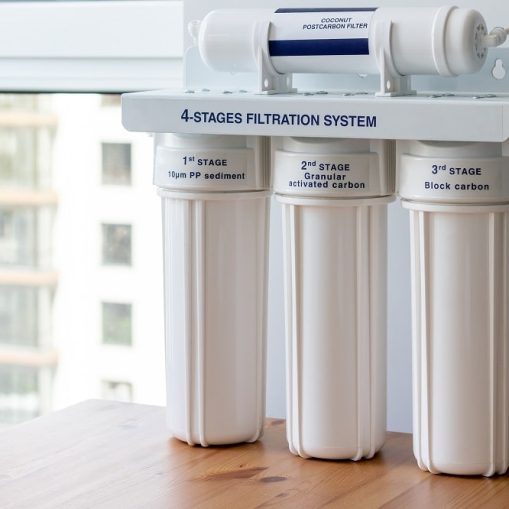
Knoxville's municipal water meets all EPA Safe Drinking Water Act standards, but it averages approximately 90 mg/L in hardness and carries chlorine... Read More

A successful bathroom remodel in a Knoxville home starts with clear planning before any work begins. The planning phase covers four areas: goals (w... Read More