
Why Plumbing Issues Often Appear After Renovations
Plumbing issues frequently emerge after renovations because the process of remodeling—such as moving walls, updating fixtures, or changing floor he... Read More

Same-Day Service Available
Need a Plumber in Knoxville? We’re Ready to Help!




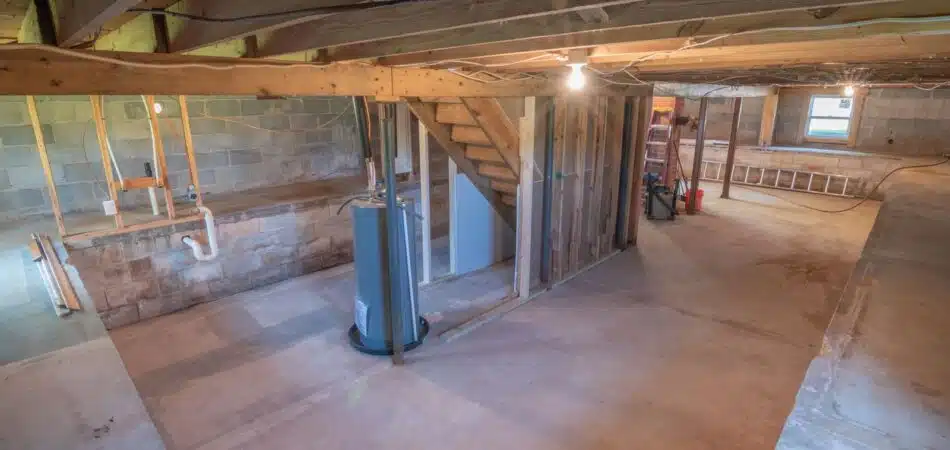
A sewer cleanout is a capped access opening that lets a plumber reach the drain or sewer line to clear a blockage or run a camera. The 2024 residential code calls for one at the junction of the building drain and building sewer or within 10 feet upstream, and calls for it to be accessible. Older homes may have that access indoors, buried, or missing altogether, and the code allows lawfully existing homes to continue without being brought up to current rules. Without a cleanout, access usually comes through a removed toilet or a roof vent, which is slower and more limited.
A flashlight, a garden trowel, and a second lap around the house. The front walk, the side yard, the strip of mulch under the kitchen window where a neighbor said it would be. Somewhere near the foundation, there is supposed to be a short capped pipe sticking out of the ground, the one sewer how-to articles tell readers to look for first.
There isn’t one.
For an older North Knoxville house, that result is less strange than it feels in the moment. Some homes have their access point inside, some had it buried by decades of topsoil and shrubs, and some genuinely have nothing to find. None of that is an emergency. It does change what happens on the day the main line backs up, which makes it worth sorting out on a quiet afternoon instead.
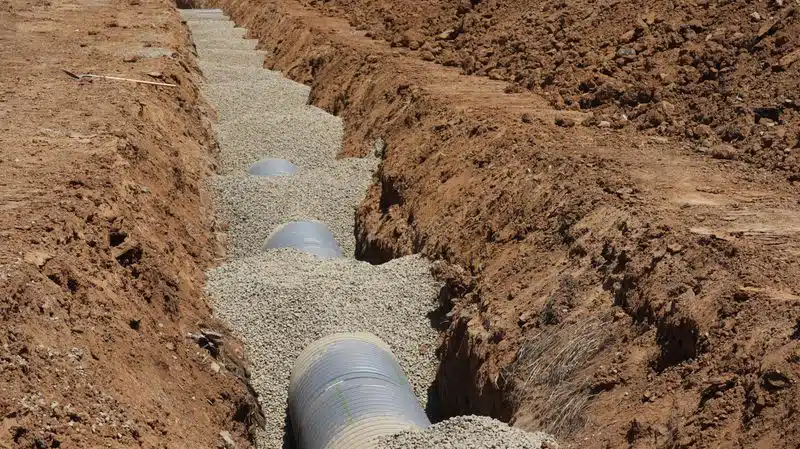
The 2024 International Residential Code, which the City of Knoxville lists as adopted, calls for a cleanout serving the junction of the building drain and the building sewer, at the junction or within 10 feet of pipe upstream. Additional cleanouts are called for at long runs and sharp changes of direction, and required cleanouts are to stay accessible.
Section P3005.2.3 reads: “The junction of the building drain and the building sewer shall be served by a cleanout that is located at the junction or within 10 feet (3048 mm) developed length of piping upstream of the junction.” Upstream means toward the house. So the code allows this cleanout to sit just inside the foundation wall, which is one reason a yard search can come up empty.
The same section adds that “removal of a water closet shall not be required to provide cleanout access.” In plain terms, pulling a toilet is not treated as the junction cleanout. That matters because removing a toilet is a common workaround in a house without one, and the code does not treat it as a substitute at this location.
Building drains, and building sewers smaller than 8 inches, are to have cleanouts at intervals of no more than 100 feet. A change of horizontal direction greater than 45 degrees calls for one too, with a single cleanout able to serve several bends within 40 feet of pipe. On a typical residential lot the junction cleanout is often the one that matters most.
Section P3005.2.10 states that “Required cleanouts shall not be installed in concealed locations,” and it counts below-grade spots and low crawl spaces as concealed. It also says that “Cleanouts located below grade shall be extended to grade level so that the top of the cleanout plug is at or above grade.” A cleanout buried under soil does not meet that description.
The 2024 edition defines a cleanout as “An access opening in the drainage system utilized for the removal of obstructions,” including “a removable plug or cap, and a removable fixture or fixture trap.” Section P3005.2.8 also recognizes an approved two-way cleanout at the junction, which allows cleaning toward the house and toward the street from one fitting.
An older house can lack a visible cleanout for several ordinary reasons. The current code does not automatically reach back to homes that were lawfully built, the access point may sit indoors, a yard cleanout may be buried or paved over, and later remodeling or sewer work may have moved or removed the original fitting.
The model 2024 residential code includes an existing structures provision: “The legal occupancy of any structure existing on the date of adoption of this code shall be permitted to continue without change,” with stated exceptions. New additions and alterations generally follow current rules without requiring the whole existing house to comply. So an older house without a modern cleanout is not, by that fact alone, in violation.
Because the code allows the junction cleanout up to 10 feet upstream, some homes have it inside. Basement walls, crawl spaces and the base of a drain stack are places to check. Looking below the main floor is worth doing before anyone picks up a shovel.
An outdoor cleanout that was once at grade can disappear under decades of mulch, topsoil, shrubs, a patio or a widened driveway. A cleanout cap flush with the ground is also easy to mow over and forget. When the pipe is there but buried, a camera or locating equipment can often find it without broad digging.
Additions, bathroom remodels and past sewer repairs can all reroute drain piping. An old cleanout may have been removed, capped inside a wall or left on an abandoned line. Records of past permitted work, where they exist, can help, and routine drain cleaning visits are a natural time to note where a usable access point sits.
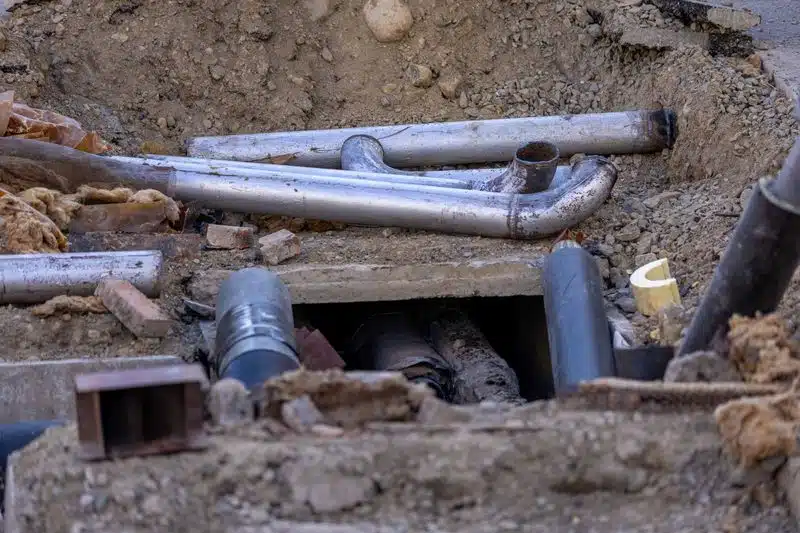
A sensible search starts where the sewer leaves the house and works outward. Check indoors first, near the lowest drain piping and the base of any stack. Then check outside along the foundation on the side facing the street or the sewer connection, and contact Tennessee 811 before any digging.
The building drain leaves the foundation on its way to the building sewer, often on the side of the house facing the connection to the public sewer. In a basement, the large drain pipe heading toward that wall is the line to follow. Outside, the strip of ground just past that wall is the likeliest place for a yard cleanout.
Look for a threaded plug or cap on a fitting near the bottom of the main stack, on the drain line near where it exits the house, or on a Y fitting in a basement or crawl space. A test tee, a fitting with a removable plug built into a stack, can also serve as an access point. Photographing anything found helps for later.
Tennessee 811 states that Tennessee’s Underground Utility Damage Prevention Act calls for anyone who digs, including hand digging, to notify it in advance, and its site lists the notice window. It also notes that facility operators “may not locate or mark private underground facilities,” and that sewer lines from the main to the home are the owner’s to locate.
When nothing turns up, the usual next step is professional. Many sewer camera systems carry a transmitter in the camera head that can be traced from the surface, which shows where the line runs and where a buried fitting sits. Homeowners often arrange this through a home plumbing service in Knox County that offers camera inspection.
Without a cleanout, a blocked main line can still be reached, usually by removing a toilet or entering through a roof vent. Those routes are slower, messier and sometimes limited in what equipment fits. Adding an accessible cleanout is a common industry option, and because it rearranges drain piping, permit requirements are worth confirming first.
The two usual workarounds are pulling a toilet to reach the drain through its flange opening, or running a cable down a roof vent. Both can work. Both involve more setup, a toilet reset or a roof climb, and a path with more bends between the entry point and the blockage.
Across the industry, plumbers can add cleanouts to existing homes, sometimes while other sewer or drain work is already underway. Placement depends on where the building drain leaves the house, the depth of the line and what is in the way. The model code’s permit exemptions cover clearing stoppages and repairing leaks, not replacing or rearranging pipes, so this work generally falls outside them.
Inside Knoxville city limits, questions go to the City of Knoxville Plans Review and Inspections office at 865-215-4311. Halls, Powell and other unincorporated areas go to Knox County Codes Administration at 865-215-2325. The sewer utility also varies: the City’s utilities page lists providers including KUB and Hallsdale-Powell Utility District, so confirming both for the address is the first step.
A cleanout that exists but cannot be opened is only a little better than none. Keeping the cap intact and the area clear helps, and a cracked or missing cap is worth replacing. For the steps involved in clearing a main line once access exists, this guide on unclogging a main sewer line walks through the process.
| Access point | Where it is usually found | What it allows | Limitation |
|---|---|---|---|
| Two-way yard cleanout | Just outside the foundation, at grade | Cleaning and camera work toward the house and the street | Can be buried or damaged over time |
| One-way yard cleanout | Just outside the foundation, at grade | Cleaning in the direction of flow | Does not reach back toward the house |
| Indoor junction cleanout | Basement wall or crawl space, within 10 feet of the junction | Access to the building drain and sewer from inside | Opening it indoors can risk a spill if the line is backed up |
| Stack base cleanout or test tee | Bottom of a vertical drain stack | Access to the stack and the drain below it | May sit further from the sewer junction |
| Removed toilet | Any floor-mounted toilet | Cable access into the drain | Not accepted as the junction cleanout; extra setup |
| Roof vent | Top of the vent stack | Cable access from above | Roof access and a longer path to the blockage |
Our office on Central Avenue Pike is on the north side of Knoxville, so houses like the one in this article are close to home for Tennessee Standard Plumbing. Drain cleaning, hydro jetting, sewer camera inspection and sewer line repair are among the services on our site. We have served the area since 2020. We have 4,000+ reviews across our Google profiles and field 34 licensed plumbers (as of October 2026).
The short version is this. The 2024 residential code calls for an accessible cleanout at or within 10 feet of the building drain and sewer junction, so the access point may be inside. An older house can lawfully lack one. And a search that starts indoors, and calls 811 before digging, usually settles the question.
North Knoxville service details are on our North Knoxville plumbing page. It is a good starting point for anyone new to the neighborhood.
Homeowners who would rather talk it through can call our team at (865) 352-9003. A few photos of anything that looks like a cap or plug, inside or out, make that call more useful.
For a camera visit to find where a line runs and where access exists, request an appointment online. We serve North Knoxville, Fountain City, Halls, Powell, and communities across Knox County and East Tennessee.
A sewer cleanout is a capped access opening into the drain or sewer line. It lets a plumber clear a blockage or run a camera without removing fixtures. The 2024 residential code also counts a removable fixture or trap as a type of cleanout in general.
Near where the building drain meets the building sewer. The 2024 residential code places it at that junction or within 10 feet of pipe upstream, toward the house. That means it can be just outside the foundation or inside a basement or crawl space.
Several ordinary reasons can explain it. The access point may be indoors, buried under soil or paving, or removed during later work. The code’s existing structures provision also allows lawfully built older homes to continue without being brought up to current rules.
Not automatically for an older home. The model code lets a lawfully existing structure continue without change, with stated exceptions, while new work follows current rules. The City of Knoxville Plans Review and Inspections office can confirm how that applies to a specific address.
Usually by removing a toilet or running a cable down a roof vent. Both routes can work, though they take more setup and give a longer path to the blockage. The code does not treat a removed toilet as the junction cleanout.
A two-way cleanout is a fitting that allows cleaning in both directions, toward the house and toward the street. The 2024 residential code recognizes an approved two-way installation for the junction cleanout. Single-direction cleanouts reach only downstream.
Only after contacting Tennessee 811, which asks for advance notice before any digging, including hand digging. Utilities do not mark private sewer lines, so a camera with a locating transmitter is often a better way to find the fitting first.
Often, yes. Adding a cleanout rearranges drain or sewer piping, and the model code’s permit exemptions cover clearing stoppages and repairing leaks, not rearranging pipes. Inside city limits, the City of Knoxville Plans Review and Inspections office at 865-215-4311 can confirm requirements for the address.
The code says required cleanouts are not to be concealed. It also says cleanouts below grade are to be extended so the plug sits at or above grade. A buried or paved-over cleanout is harder to use when a backup happens.



Plumbing issues frequently emerge after renovations because the process of remodeling—such as moving walls, updating fixtures, or changing floor he... Read More
The boundary between homeowner plumbing work and professional work in Knoxville is set by consequence and by code, not by apparent difficulty. Tenn... Read More

Standard homeowners insurance typically does not cover sewer line replacement when the damage results from aging, wear and tear, or simple clogs. H... Read More