
What Knoxville Homeowners Should Know About Aging Sewer Lines
The service life of a sewer lateral in Knoxville depends mainly on the pipe material, installation quality, soil conditions, tree roots, drainage g... Read More

Same-Day Service Available
Need a Plumber in Knoxville? We’re Ready to Help!





Last Updated: September 14, 2026
Key Takeaways
On This Page
Rental plumbing fails differently from owner-occupied plumbing. Small problems get lived with rather than reported, so the first call is often about damage rather than about a symptom. A schedule built around turnover catches more than a schedule built around a calendar month, because an empty unit is the only time everything is reachable at once. Tennessee’s landlord and tenant statute applies in some counties rather than statewide, and the federal lead disclosure rule applies to most pre-1978 rental housing separately from it.
The difference between a rental and an owner-occupied house is not the plumbing. It is who notices.
An owner hears a toilet running at two in the morning and gets up to jiggle the handle. A tenant hears the same toilet, decides it is not their bill, and mentions it three months later when something else goes wrong. Neither reaction is unreasonable. They just produce very different outcomes for the same property, which is why East Knoxville landlords end up searching for Knoxville plumbing services at the point of failure rather than before it.
A schedule built for a house somebody lives in and cares about will not fit a house somebody rents. Scheduled attention is covered under preventive drain maintenance.
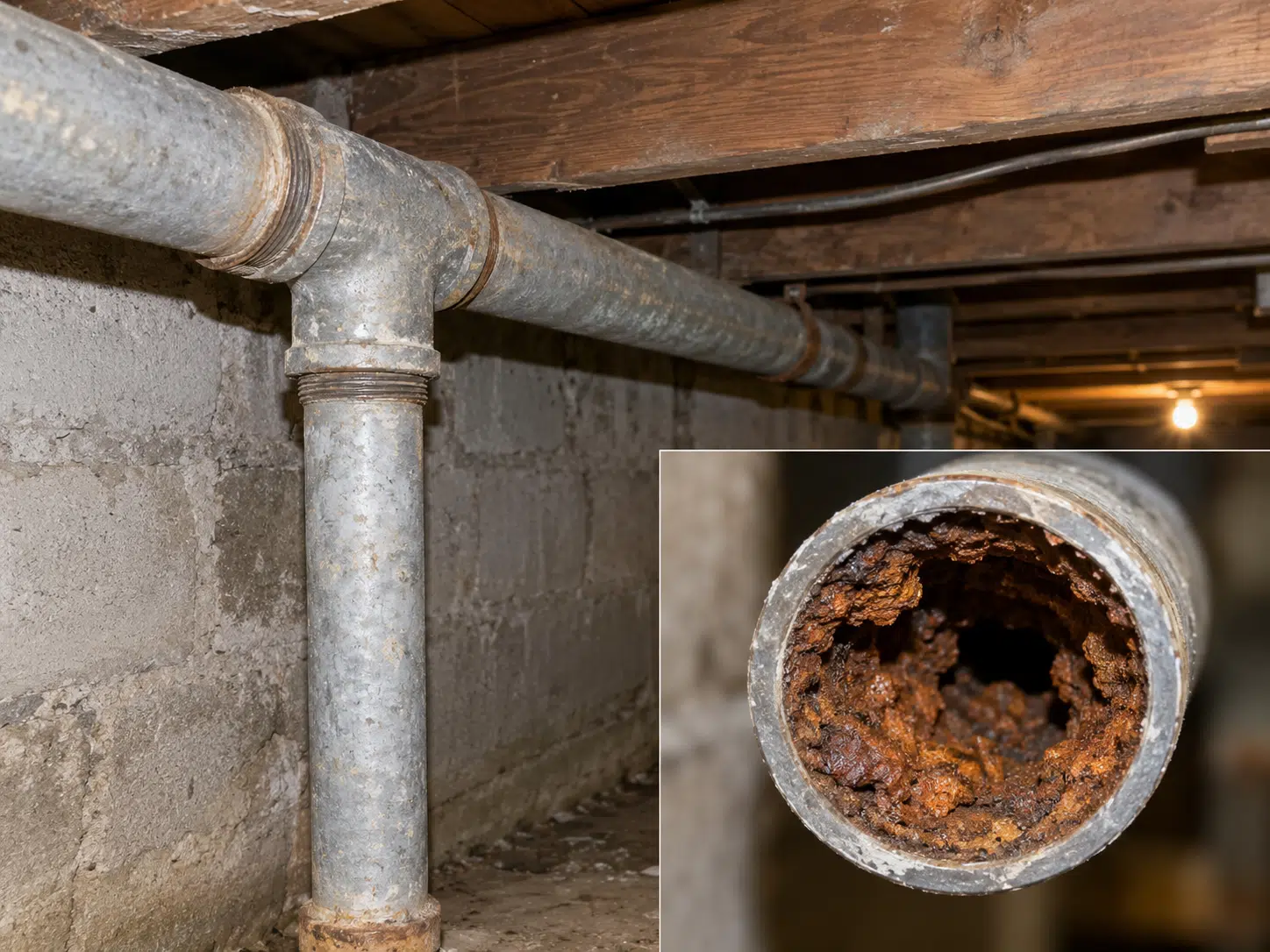
Three things separate rental plumbing from owner-occupied plumbing: who observes the early symptoms, who carries the cost of acting on them, and how long a unit goes between thorough looks. None of those is about the pipes. All of them change how quickly a small problem becomes an expensive one.
Residents often assume a slow drain, a faint hiss behind a wall or a warm patch on a floor is normal for an older building. Reporting takes effort and invites a visit, so minor issues get absorbed rather than escalated. By the time a report arrives, the condition has usually progressed past the cheap stage.
A resident who reports a running toilet gets an inconvenience. An owner who hears about it saves money. That split is a structural feature of renting rather than a failing of anybody involved, and a maintenance schedule is how an owner compensates for it. Broader guidance on early symptoms appears in this look at plumbing warning signs worth acting on.
A three bedroom house occupied by one couple and the same house occupied by four adults place very different demands on drains, water heaters and fixtures. Turnover can change the load overnight without anything about the building changing. Older East Knoxville housing stock, built for smaller households, meets this regularly.
Entering an occupied unit takes notice and coordination. That friction is why so many owners inspect only when something breaks. Recognizing access as the limiting factor, rather than time or money, is what makes a turnover-centred schedule the practical answer.
Two separate frameworks touch rental plumbing in Knox County, and they operate independently. One is the state landlord and tenant statute, which applies in some counties rather than statewide. The other is a federal disclosure rule tied to the age of the building.
Tennessee’s Uniform Residential Landlord and Tenant Act sits at Title 66, Chapter 28 of the Tennessee Code. It applies in counties above a population threshold rather than across the whole state, and Knox County is generally described as covered. Because coverage depends on the county and on the nature of the tenancy, and because the statute is amended over time, an owner should confirm how it applies to a specific property with an attorney or with legal aid rather than assuming.
Where local building or housing codes set requirements for plumbing and running water, those requirements generally come into the landlord’s obligations by reference. That makes the applicable local code office relevant to a maintenance conversation. Properties inside Knoxville city limits go through City of Knoxville Plans Review and Inspections, and unincorporated Knox County properties go through Knox County Codes Administration at (865) 215-2325. Legal Aid of East Tennessee publishes a plain-language overview at help4tn on renters covered by the Act.
The EPA Lead-Based Paint Disclosure Rule, Section 1018 of Title X, applies to most pre-1978 private housing, public housing, federally owned housing and housing receiving federal assistance. Before a lease is signed, landlords, agents and property managers disclose known information about lead-based paint and lead hazards, provide available records and reports, provide the EPA household lead information pamphlet, and include a Lead Warning Statement in or attached to the lease. Compliance records are kept for three years. The rule is published by the EPA lead disclosure program.
The disclosure rule does not reach housing built after 1977, zero-bedroom units, leases of 100 days or less, or housing designated for the elderly or persons with disabilities, in each case unless a child under six resides there. Given how much East Knoxville housing predates 1978, the rule reaches a large share of the local rental stock, and it operates whether or not the state statute covers the tenancy.
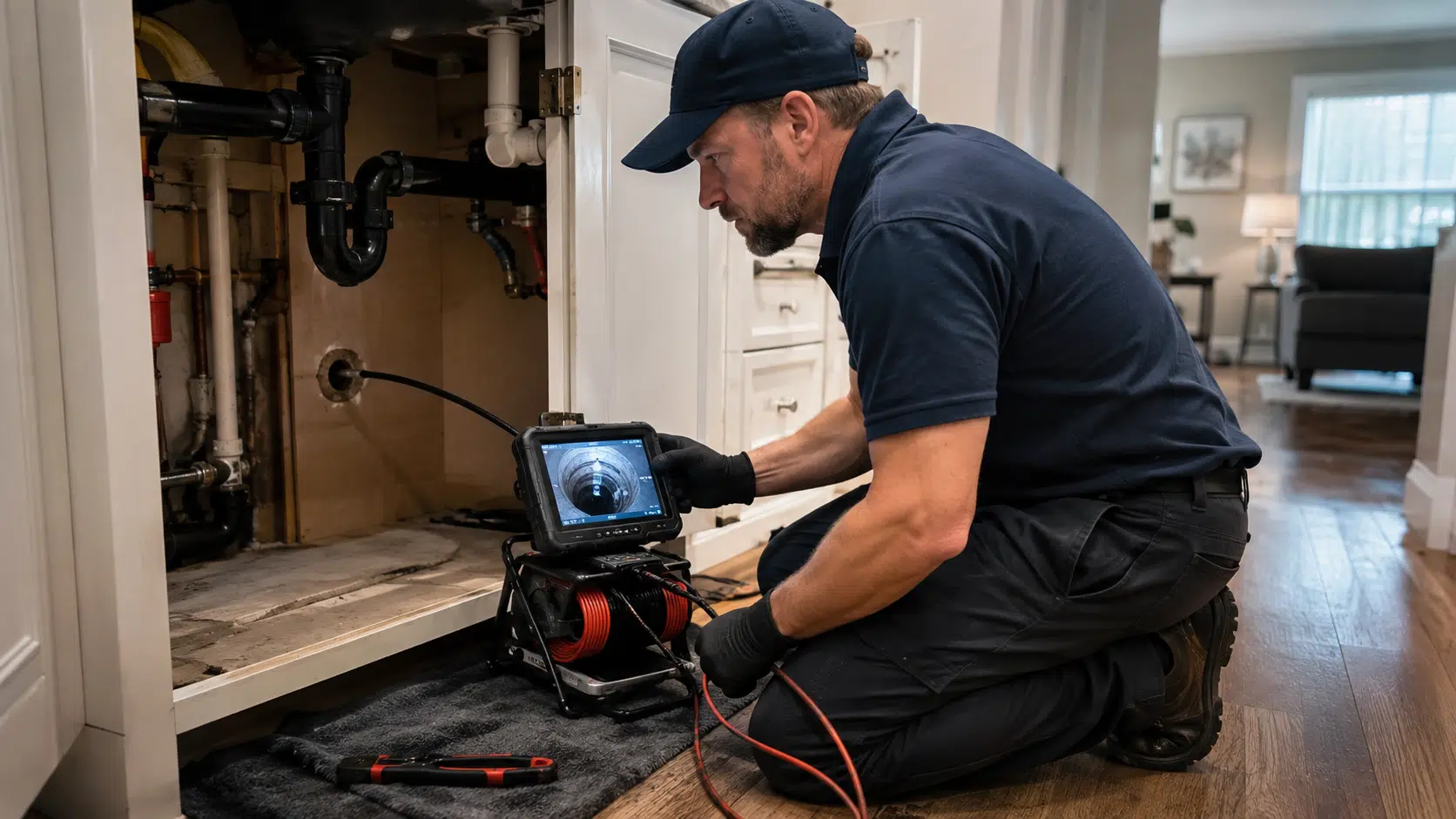
Turnover is the only reliable moment when a unit is empty, accessible and already being cleaned and repaired. Building the plumbing schedule around it means the thorough work happens when it is cheapest to do, and the in-tenancy schedule shrinks to a short list of things worth the coordination.
An empty unit allows a look at everything: shutoff valves at every fixture, supply hoses at the washer and toilets, water heater condition and relief valve, visible piping in a crawl space, drain flow at every fixture, and signs of past leaks under sinks and around tubs. This is also the moment to replace parts that are near the end of their life rather than waiting for them to fail during a tenancy.
A short list justifies the coordination: water heater check, drain performance where a history of clogs exists, and any fixture a resident has mentioned even once. Bundling these into a single annual visit reduces the number of notices and the number of interruptions, which makes the visits more likely to actually happen.
Outdoor spigots and any exposed piping matter ahead of the first freezing night regardless of when the lease started. Vacant units carry particular risk here, because nobody is present to notice a problem and heat may be turned down. Properties across East Knoxville and nearby neighborhoods see the same pattern each winter.
| When | What gets looked at | Why then |
|---|---|---|
| At turnover, unit empty | Every shutoff valve, supply hose, drain, water heater, visible piping, past leak evidence | Full access with no notice or coordination cost |
| Annually, in tenancy | Water heater, problem drains, anything a resident reported | Short enough list to justify one notice and one visit |
| Early fall, every property | Outdoor spigots, exposed piping, vacant unit heat | Freeze arrives on the weather’s schedule, not the lease’s |
| Before every new lease | Lead disclosure paperwork on pre-1978 housing | The federal rule operates before the lease is signed |
| On any repeat report | Camera inspection rather than another clearing | A repeat pattern points at condition rather than at a blockage |
A maintenance schedule produces a record, and the record is often worth more than any individual repair. It shows what was inspected, when, what was found and what was done, which is the evidence that matters when a disagreement arrives months later.
Give tenants one place to report a plumbing problem. Ask them to include the unit number, what they noticed, and when it started. Keep the report and the date you responded with your maintenance records. Before the plumber arrives, confirm who can approve work and who will provide access.
Date, unit, who attended, what was inspected, what was found, what was replaced, and what was recommended but not done. That last item matters most, because a documented recommendation that a resident declined or an owner deferred is a different situation from a problem nobody knew about.
A photograph of a shutoff valve, a water heater label or a stain under a sink at move-in settles arguments that written descriptions do not. Move-in and move-out photography of plumbing fixtures costs a few minutes and removes a whole category of dispute about condition.
Three clearings of the same drain in eighteen months is not three separate incidents, it is one condition. Logging by date and location turns a series of service calls into a pattern that justifies a camera inspection instead of a fourth clearing. Owners generally spend less by looking once than by clearing repeatedly.
The federal lead rule calls for compliance records to be kept for three years. Filing those alongside the maintenance record for the same unit keeps everything about a property in one place, which is helpful when a property changes managers or sells. Further guidance is published through the EPA real estate disclosure guidance.
Our team at Tennessee Standard Plumbing has served East Knoxville, Knox County and the surrounding East Tennessee communities since 2020, working with landlords and property managers on drains, water heaters, leak detection and turnovers. We’ve earned thousands of 5-star reviews, and every job is handled by one of our 34 licensed plumbers (as of October 2026).
Four things are worth holding onto. Rental plumbing fails differently because early symptoms go unreported. Turnover is the best inspection window a unit gets. The state landlord statute applies by county rather than statewide, and the federal lead disclosure rule applies to most pre-1978 rental housing separately from it. And a written record of what was inspected protects the owner and the resident equally.
Owners who want a turnover plumbing inspection on the calendar can reach our team at (865) 352-9003 or schedule your service online. We serve East Knoxville, North Knoxville, South Knoxville, Fountain City, and communities across Knox County and East Tennessee.
Related Reading
Build the thorough inspection around turnover, when the unit is empty and everything is reachable. In tenancy, an annual visit covering the water heater, any problem drains and anything a resident has reported is generally enough to justify the coordination. Seasonal freeze preparation happens regardless of the lease calendar.
The person who notices an early symptom is not the person who carries the cost of it. Residents often absorb a slow drain or a running toilet rather than reporting it, so problems arrive already advanced. A schedule is how an owner compensates for that gap.
The Act at Title 66, Chapter 28 applies in counties above a population threshold rather than across the whole state, and Knox County is generally described as covered. Because coverage depends on the county and the tenancy, and the statute changes over time, confirming with an attorney or with legal aid is the reliable step.
For most pre-1978 housing, before a lease is signed, it calls for disclosing known information about lead-based paint and hazards, providing available records and reports, providing the Protect Your Family From Lead in Your Home pamphlet, and including a Lead Warning Statement in or attached to the lease. Compliance records are kept for three years.
No. It does not reach housing built after 1977, zero-bedroom units, leases of 100 days or less, or housing designated for the elderly or persons with disabilities, in each case unless a child under six resides there. A great deal of East Knoxville housing predates 1978, so the rule reaches much of the local rental stock.
Shutoff valves at every fixture, supply hoses at toilets and the washer, water heater condition and relief valve, visible piping in a crawl space, drain flow at every fixture, and evidence of past leaks under sinks and around tubs. Replacing parts near the end of their life during a vacancy avoids doing it during a tenancy.
Riskier in several respects. Nobody is present to notice a problem, heat may be turned down, and a freeze can run for days before anyone opens the door. Outdoor spigots and exposed piping deserve attention ahead of the first freezing night regardless of occupancy.
Because a documented inspection with a dated finding is a different position from a problem nobody knew about. Recording what was recommended but not done matters as much as recording what was replaced, and photographs at move-in and move-out settle disputes that written descriptions do not.
Three clearings of the same line is one condition rather than three incidents. A camera inspection identifies whether the cause is a slope problem, root intrusion, a damaged section or interior buildup. Owners generally spend less looking once than clearing a fourth time.
Requirements depend on the address and the scope of work. Properties inside Knoxville city limits go through City of Knoxville Plans Review and Inspections, and unincorporated Knox County properties go through Knox County Codes Administration at (865) 215-2325. Confirming with the office that inspects the work is the practical step.



The service life of a sewer lateral in Knoxville depends mainly on the pipe material, installation quality, soil conditions, tree roots, drainage g... Read More

Toilets overflow due to clogs from foreign objects or excessive paper, faulty internal mechanisms like tank floats, or damaged sewer lines, with fi... Read More
If your water heater seems to be working harder than it used to or if it gave out well before the 10-to-12-year mark hard water may be to blame. In... Read More